
Last updated: October 30, 2026
Key Takeaways
- Check the ticket, pile, and bed size before moving any mulch.
- A short order means the delivered volume will not cover the planned depth, even after settling.
- Handle extra mulch on delivery day if you can; wet piles get harder to manage after 2 weeks.
- For a shortage, top up only the underfilled beds and request just the missing amount.
If your mulch order lands short or runs long, the right move is to recheck the bed measurements, compare them with the delivery ticket, and decide fast whether to ask for a top-up or arrange a return. This guide to what to do when your mulch order lands short or runs long gives you the quickest path to a correction, and it works best when you know what was delivered, what is already spread, and where the extra material can still be used. For calculation help, see the soil and mulch calculator basics, the mulch delivery checklist, and the garden bed measuring guide. According to the U.S. Environmental Protection Agency, materials management works best when usable material is separated early and kept from becoming waste.
What to check first when the delivery is off

Start with the delivery ticket, the mulch pile, and the garden bed size before you touch a shovel. If the count is off by even 1 cubic yard, a fast check can save a second trip, a wasted wheelbarrow day, or a bed that gets covered too thin.
Use this short order of operations:
- Confirm the unit on the ticket. Look for cubic yards, bags, or loose bulk. A delivery note that says 3 cubic yards is not the same as 3 pallets of bagged mulch.
- Look at the mulch pile before spreading. A loose cone may look short, but settling in the truck often changes the shape without changing the actual volume.
- Recheck the garden bed measurements. Measure length and width in feet, then compare that to the depth you planned, usually 2 to 4 inches for most beds.
- Ask whether part of the order was already used or left in a different spot. One wheelbarrow moved to the back fence can make the load seem short by a surprising amount.
- Check for compaction in the delivery load. A damp, packed load often spreads farther than a fluffy one of the same nominal volume.
The point is not to guess from appearance. Mulch settles, fluffs, and spreads unevenly, so a pile that looks small can still cover a bed fully if the depth target is realistic. The reverse happens too: a deep-looking pile can disappear quickly on a wide garden bed if you planned a 3-inch layer and actually need 4.
If the order looks wrong after this check, do not spread the rest until you know whether you are dealing with a shortage or an overage. That decision changes what you can ask the supplier to do next, and it keeps your options open for a correction on the same day. The mulch installation guide covers spreading depth and finish details if you need a reference.
How do you tell if the mulch is truly short?
A mulch order is truly short when the delivered volume cannot cover the planned area at the depth you asked for, even after settling and reshaping. That is the standard that matters, not whether the pile looks smaller than expected.
The cleanest way to verify it is to measure one bed, not the whole property. Pick a representative garden bed and check:
- Length and width in feet.
- Current depth target in inches.
- How much remains unspread after the first pass.
A quick rule of thumb: a 2-inch layer covers much more ground than a 4-inch layer, and that difference is often where the mismatch shows up. If the bed was meant to get 3 inches and the material only reaches 1.5 to 2 inches before it runs out, the delivery is short enough to matter.
This is also where many buyers make the wrong call. They see bare soil in a few spots and assume the whole order is short, when the real problem is uneven spreading. A wheelbarrow dumped in clumps can make one section look finished and another section look empty. Rake the mulch flat first, then judge the coverage. One pass with a bow rake or landscape rake often changes the picture enough to avoid an unnecessary complaint.
The opposite mistake is just as common: a person spreads too thin to “stretch” the load and ends up with a layer that does not suppress weeds or hold moisture well. If the beds need a proper top dressing, thin coverage is a compromise, not a fix. I would use that only when the priority is visual consistency for a season, not long-term bed performance.
If the order is short by a small amount, a supplier may be able to send a partial top-up. If it is short by a full delivery-load fraction, the better move is usually a replacement or a credit on the missing volume, depending on the seller’s policy. For more on coverage math, the how much mulch do I need page is the right next step.
What should you do if you ordered too much mulch?
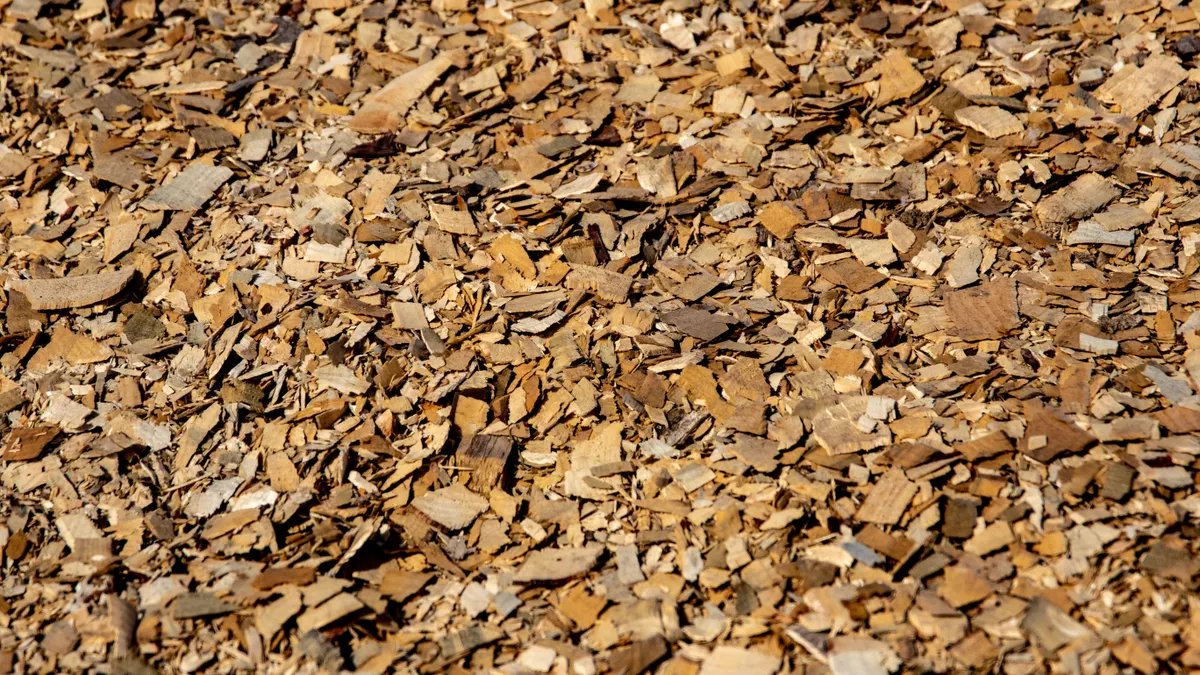
If you ordered too much mulch, stop unloading it all into one place and return the excess if the supplier allows it, or redirect it to other beds before it breaks down in a heap. Excess mulch is easier to handle on the delivery day than after it has sat wet for 2 weeks.
First, decide whether the extra material is usable on-site:
- A wheelbarrow can move a small surplus to a side yard, tree ring, or compost-adjacent area.
- A second garden bed may need a fresh 2-inch top-up.
- A path edge, fence line, or slope often benefits from the leftover, as long as drainage stays open.
If the extra mulch is clean and the supplier accepts returns, keep it dry and in the original delivery area until you confirm pickup terms. Many bulk suppliers will only take back unused material if it has not been mixed with soil, leaves, grass clippings, or other debris. Once it is spread into beds, most of it stops being returnable.
A practical way to think about overage is by staging, not dumping. Leave the surplus in a neat pile near the driveway and move it in smaller loads only as needed. That keeps you from locking yourself into a bad layout. It also makes a return simpler if the seller wants the material accessible for pickup.
There is a limit to what you should do with excess. I would not force mulch into beds that already have the right depth just to avoid a return. Too much mulch can bury crowns, trap moisture against stems, and make later cleanup a chore. If the bed is already at the right depth, the extra material belongs elsewhere or back with the supplier.
This is the point where a buyer should choose a return path, a pickup credit, or a later use. The wrong move is to hide the excess by spreading it too deeply, and the mulch return policy guide explains what many suppliers allow.
The fastest way to fix a short delivery without wasting a day
The fastest fix for a short delivery is to top up the exact beds that are underfilled, then ask for only the missing volume rather than a full second load. That keeps the adjustment small and avoids paying for mulch you do not need.
Use this procedure:
- Measure the gap in the bed. If one bed is at 2 inches and your target was 3 inches, you know the missing depth is 1 inch.
- Estimate the missing area. Focus on the square footage that is actually short, not the whole yard.
- Match the top-up to the same mulch type. Bark, cedar, hardwood, and dyed mulch may not match as closely as the original order.
- Spread the current pile evenly first. A level base tells you whether the gap is real.
- Ask the supplier for the smallest fix that solves the gap. That might be a partial yard, a few extra bags, or a scheduled second drop.
The result should be a uniform bed with the planned depth, not a visibly patched area. If you can get the same mulch on the same day, do it. If not, it is usually better to hold the beds at a slightly thinner but even finish than to bury one section and leave another bare.
This is also where partial bed coverage matters. A homeowner with six beds does not need to solve them all the same way. The front entry bed may need the exact match because it is visible from the street. The back fence bed may tolerate a thinner layer for one season. That difference should shape the adjustment request.
One caution: if you are missing a large amount, do not keep spreading in hopes the pile will “work itself out.” That just dilutes the coverage and makes the shortfall harder to prove. In that case, the mulch calculator can help you confirm the missing quantity before you call the supplier.
Can I spread mulch thinner to make it last?
Yes, but only within reason; a thinner layer can bridge a shortage, but it usually trades away weed suppression, moisture retention, and the clean look people expect from a finished bed. Thin spread is a workaround, not the ideal finish.
A typical garden bed top dressing sits around 2 to 4 inches after settling, depending on the plantings and the goal. If you cut that down sharply to stretch a short delivery, you may still cover bare soil, but you will also leave more light reaching weed seeds and more water evaporating from the surface.
Use a thinner spread only when:
- the bed is already established and mostly closed in by plants,
- you are covering an area for the rest of the season rather than setting it up for a long-term finish,
- or you need a visual uniformity fix until the supplier corrects the shortage.
Do not use thin coverage as a blanket solution for every bed. It is the wrong move for a new landscape bed, a slope that dries out fast, or a front-yard area where you want a crisp finish. In those cases, it is better to get the missing volume.
The trade-off is simple: thinner mulch covers more square feet per yard, but it performs less well. If the order is short by a little, thinning may be acceptable. If it is short by enough that the bed looks patchy, you are better off stopping, rechecking the numbers, and requesting a top-up or credit.
How to return excess mulch without creating another problem
Return excess mulch by keeping it separate, dry, and identifiable, then confirming the supplier’s pickup terms before you move it again. The return goes wrong when the material gets mixed with yard waste or spread in a hurry to get it out of the way.
The practical sequence is simple:
- Leave the surplus in a single pile, not scattered across the driveway.
- Keep the delivery ticket handy so you can point to the order size and delivery date.
- Do not mix the extra mulch with leaves, soil, stones, or old landscape fabric.
- Ask whether the supplier wants the pile where the truck can reach it without blocking a car, gate, or hose line.
- Confirm whether the return is a pickup, a credit, or an exchange.
If the seller does not take returns on bulk mulch, the next-best option is to use it strategically over the next 1 to 2 weeks. Priority spots are often around tree rings, utility edges, and beds that were meant to get a refresh. A few extra wheelbarrow loads can also improve transitions between beds, especially where mulch has washed downhill.
Do not leave excess mulch in a damp heap for long if you can avoid it. It can compact, heat up slightly from decomposition, and become harder to move cleanly later. That matters most with dyed or fine-textured mulch, which shows handling marks more easily than coarse bark.
If the mulch was delivered in bags rather than loose, the return process may be easier, but the same rule applies: keep the bags intact and unopened. Once a bag is cut and spread, it usually stops being returnable. The bulk vs. bagged mulch guide can help you compare options before the next order.
The mistakes that cost the most money or time
The most expensive mistakes are spreading before measuring, burying usable surplus into thin beds, and waiting too long to report a real shortage. Each one costs either material, labor, or the chance to get a quick correction.
The first mistake is guessing from the pile shape. A cone-shaped pile can look generous or skimpy depending on moisture and dumping method. That guesswork can lead to a wrong complaint or a missed shortage. Measure the bed first and compare it to the delivery note.
The second mistake is using all the excess just because it is there. That costs you in plant health and future cleanup. Mulch against stems and trunks creates maintenance problems later, and a bed that is too deep can be harder to water properly.
The third mistake is breaking the load into too many small wheelbarrow moves before deciding what is wrong. That makes the adjustment harder to prove. Keep part of the material untouched until you know whether you need more or less.
The fourth mistake is mixing textures when topping up. Coarse bark beside dyed mulch can look patchy within a week, especially after rain. If the top-up is visible from a walkway, use the same product or accept that the repair will be noticeable.
If this is a contractor delivery, report the problem promptly and keep the ticket. If it is a homeowner pickup order, the same rule still applies: the sooner you document the mismatch, the easier it is to fix. For broader planning and measurement basics, the soil and mulch calculator basics hub is the right place to go next, because that is where the bed math belongs.
Drafted with AI; not yet reviewed by a person.
Leave a Reply