
Last updated: November 01, 2026
Quick Answer: In most cases, mulch is too fine, too coarse, or too wet if it will not rake into a flat layer in 3 to 4 passes. This guide on How to Spot Mulch That Is Too Fine, Too Coarse, or Too Wet for the Job shows how to check texture before you spread a load.
Mulch that is too fine, too coarse, or too wet will spread poorly, clump, dust, or bridge over the soil instead of making a clean layer. The right texture feels loose, pours evenly, and breaks apart without turning to paste. The guide below shows what to look for before you buy or dump the load, and it uses the same topic name throughout: How to Spot Mulch That Is Too Fine, Too Coarse, or Too Wet for the Job.
Key Takeaways
- Fine mulch should still move like dry flakes, not powdery dust.
- Coarse mulch should separate in the hand, not form big voids or knife-like chunks.
- Wet mulch is easy to spot because it mats, clumps, and sticks to itself.
- Texture changes how far a bag goes, how evenly it covers, and how easy it is to spread by hand or shovel.
- A quick squeeze, pour, and rake check tells you more than the label.
What “too fine,” “too coarse,” and “too wet” look like in mulch
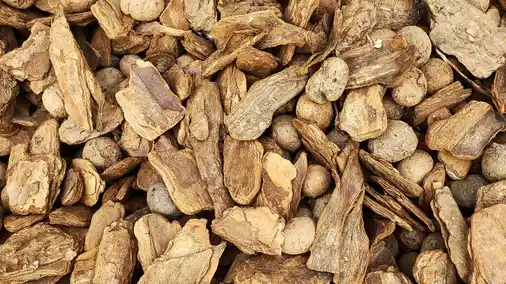
Picture this: you’ve opened a bag, tipped a bucket, or had a truckload dumped in the driveway, and you need to know if it will work for the bed in front of you. The answer is visible fast: too fine looks dusty and dense, too coarse looks chunky and open, and too wet clumps, mats, or smears. That first look saves you from a bad spread.
Here’s the catch: texture is not just about looks. A very fine product can seal over the soil and blow around in a dry wind. A very coarse product can leave gaps, roll off slopes, or refuse to sit flat. Wet material can be heavy, sticky, and hard to rake into a clean layer. That matters on a 10-foot bed as much as on a whole yard.
A quick field check helps:
- Scoop a handful and let it fall from 6 to 8 inches.
- Watch the shape it makes when it lands.
- Press a clump with your palm.
- Rake a small strip 2 to 3 feet long.
If it falls like dry confetti, it may be too fine. If it lands in hard lumps or big woody pieces, it may be too coarse. If it smears or holds together like damp compost, it is too wet for clean spreading.
How can I tell if mulch will spread evenly?
Mulch will spread evenly when it pours, rakes, and settles without fighting you. That comes down to particle size, moisture, and how the pieces interlock. A good layer should move under a shovel and settle into a flat 2 to 3 inch cover without a lot of rework.
Start with the hand test. Pick up a handful and let it slide through your fingers. Fine material should flow freely, but not puff into dust. Coarse material should separate cleanly without leaving large holes in the pile. Wet material usually sticks together, so the handful comes out in chunks instead of a loose stream.
Use these cues:
- Fine mulch: small particles, almost no visible gap, smooth pile surface, easy to overpack.
- Coarse mulch: larger chips or nuggets, visible air space, rough pile surface, slower to settle.
- Wet mulch: dark, slick, or sticky surface, heavy clumps, dull sound when dropped.
A 5-gallon bucket can help. Pour a little on a driveway or tarp and drag a rake through it. If the rake leaves ridges that stay open, the product is probably coarse. If the rake pushes a dusty wave that collapses flat, it may be too fine. If it drags in sticky ropes, it is too wet.
Then use a simple check:
- Pour a small pile.
- Pull the rake once through the center.
- Count how many strokes it takes to flatten the ridge.
- Stop at 3 to 4 passes; more than that usually means the texture is wrong for easy spreading.
Fine mulch: what is useful, and what makes it too fine

Picture this: you want a neat bed edge, but the pile looks almost like sawdust with tiny bits mixed in. That can be fine for some uses, yet too fine becomes a problem when the particles are so small that they pack tight and move like powder. The same 2-inch layer can behave very differently from a chunkier one.
A useful fine product still has some body. It should pour cleanly from a bag, not plume into dust. It should settle into an even surface, not form a crusty skin that blocks air and water. If you see lots of soft crumbs and almost no visible fiber or chip structure, you may be looking at a texture that is too fine for open beds or slopes.
Fine mulch often shows these signs:
- It fills every space and looks smooth right after spreading.
- A shoe print stays crisp because the layer compacts fast.
- Wind picks up loose bits on dry days.
- A rake leaves a powdery wake instead of a loose trail.
That is not always a bad thing. A finer texture can work where you want a tidy finish and less visible chunkiness. The problem is when it is so small that it smothers the bed surface or turns heavy after watering. If the material looks more like composted grit than mulch, it may be wrong for drainage-heavy spots.
On the flip side, if you can see tiny but distinct particles and the pile still flows, it is probably fine enough without being overprocessed. The line between “useful fine” and “too fine” is simple: if it stops behaving like loose cover and starts behaving like packing sand, skip it.
Coarse mulch: how to spot a load that is too chunky
Picture this: you lift a shovel and the pieces look like bark nuggets, chips, and broken sticks with big empty spaces between them. That can be perfect for a certain look, but too coarse mulch does not sit down neatly on its own. It can bridge over the soil, roll off a slope, and leave bare patches after the first rain.
The main clue is size spread. When one load contains pieces that are much larger than the rest, it behaves unevenly. Big chunks land high, small bits fall through, and the surface ends up bumpy. If the pile has lots of pieces over an inch or two long, it may take extra work to make a clean layer. That is a spreadability problem, not just a style issue.
Look for these signs:
- Large, rigid pieces that don’t break apart by hand.
- A pile with obvious voids and shadows.
- Pieces that catch on the rake instead of sliding.
- A layer that looks full in one spot and thin 6 inches away.
A coarse mix can be useful on steep beds or places where you want slower breakdown, but there is a limit. If the material feels like chunks you have to arrange one by one, it is too coarse for quick hand spreading. If the pile wants to bounce back into ridges after raking, the texture is fighting the job.
Because of that, the quickest check is still simple: scoop, shake, and rake. If the larger pieces dominate the pile and the smaller ones seem like filler, the product may be better suited to a rougher application than a tidy front bed.
Wet mulch: the fast signs that moisture is too high
Picture this: the pile is dark, heavy, and cool to the touch, and your hand comes away damp. That is often the clearest sign that the material is too wet for easy handling. Wet mulch does not just weigh more; it changes how the whole load behaves under a rake, shovel, or wheelbarrow.
The obvious sign is clumping. Wet pieces stick together and hold their shape when squeezed. Instead of flowing, they drop in dense chunks. You may also notice a slick sheen, flattened fibers, or a smell that seems stale rather than woody. A small handful pressed hard should break apart again; if it stays in a compressed wad, moisture is high.
Look for:
- Darkened color throughout the pile, not just on the surface.
- A heavy feel for the size of the scoop.
- Sticking on shovel blades and rake tines.
- Mats that lie flat instead of fluffing up.
Wet material is not just annoying. It can be hard to spread to a clean depth, and it can settle much more after placement. A 3-inch layer can end up thinner once it dries and drops. That means you may spend more time correcting the bed later.
A simple check works well:
- Grab a double handful.
- Squeeze for 3 seconds.
- Open your hand.
- If the clump keeps its shape and leaves moisture on your palm, it is too wet for easy spreading.
That does not automatically mean it is unusable. It just means the job will be slower and messier. For a dry, even top layer, wait for a looser feel before you start.
How to do a quick texture check before you spread a load
Picture this: the truck has dumped the pile, and you want to know in 2 minutes whether to start spreading or walk away. A short check tells you more than guessing ever will. The goal is simple: judge particle size, moisture content, clumping, dustiness, and spreadability before you commit to the whole bed.
Use this order every time:
- Look at the surface. Search for dust, hard chunks, or a slick sheen. A dry, workable pile usually looks loose and layered, not pasted together.
- Scoop a handful. Let it fall from about 6 inches. Fine material should drop like loose flakes; coarse material drops in larger pieces; wet material falls in clumps.
- Squeeze once. A workable pile breaks apart in your hand. Too wet stays compressed. Too fine may compact like soil.
- Rake a small patch. A good mix settles into a level strip with 1 or 2 passes. If you need repeated passes, the texture is wrong for that job.
- Check your shoes and tools. If the product sticks to the blade or collects on the sole, moisture is too high or the particles are too fine.
Keep the test small. A 2-foot square is enough to show the behavior. You do not need to spread the whole pile to know whether it will fight you.
This is also the best place to send readers to the mulch product selection hub if they need broader buying guidance. That page covers the larger decision; this one stays on texture and handling.
Common mistakes that make a good pile look bad
Picture this: the material is usable, but the way it is handled makes it seem wrong. A lot of bad calls happen because the pile was judged too fast, or because the person expected one texture to act like another. The wrong read costs time, gives uneven coverage, and leaves bare spots or overpacked patches.
The first mistake is judging by color alone. Dark does not always mean wet, and light does not always mean dry. A blackened pile can still be loose. A tan pile can still be damp inside. Color is a clue, not the verdict.
The second mistake is spreading before the pile is checked from the middle. Surface crust can hide a wetter core. If the top 2 inches look fine but the center balls up, the load still needs time or turning. That matters on larger deliveries more than on a single bag.
The third mistake is trying to fix a texture problem with more raking. If the product is too fine, more rake strokes can compact it. If it is too coarse, more raking can just drag pieces around without filling gaps. If it is too wet, more work smears it.
Avoid this:
- Don’t trust the top layer only.
- Don’t assume one texture fits every bed.
- Don’t keep spreading a load that already failed the squeeze test.
- Don’t expect a very coarse product to settle flat on its own.
One honest limit: some jobs simply need a different texture. A narrow, formal bed has different needs than a rough back slope. If the pile fails the simple tests above, the fix is often to pick a better texture, not to force it.
How can I tell if mulch will spread evenly?
Because spreadability depends on how the pieces move, mulch will spread evenly when it breaks apart cleanly, lands without hard clumps, and rakes into a level surface in a few passes. A good check is to spread a small 2-foot strip first. If it takes more than 3 or 4 rake passes to flatten, the texture is probably too fine, too coarse, or too wet for easy work.
Does wet mulch mean bad mulch?
Wet mulch does not always mean bad mulch. It may simply be too damp to handle cleanly right now, especially if it was packed or sealed. The problem is handling, not always quality. If it stays clumped, smells stale, or feels heavy after sitting out, it may be poor for a smooth finish.
What texture works best for hand spreading?
For hand spreading, a moderately loose, mid-sized texture works best. It should pour from a shovel, separate with a rake, and settle without forming hard mats or dusty patches. Very fine material packs fast, and very coarse material takes more work to level. A small handful should fall apart with a light shake.
Drafted with AI; not yet reviewed by a person.
Leave a Reply