Last updated: November 01, 2026
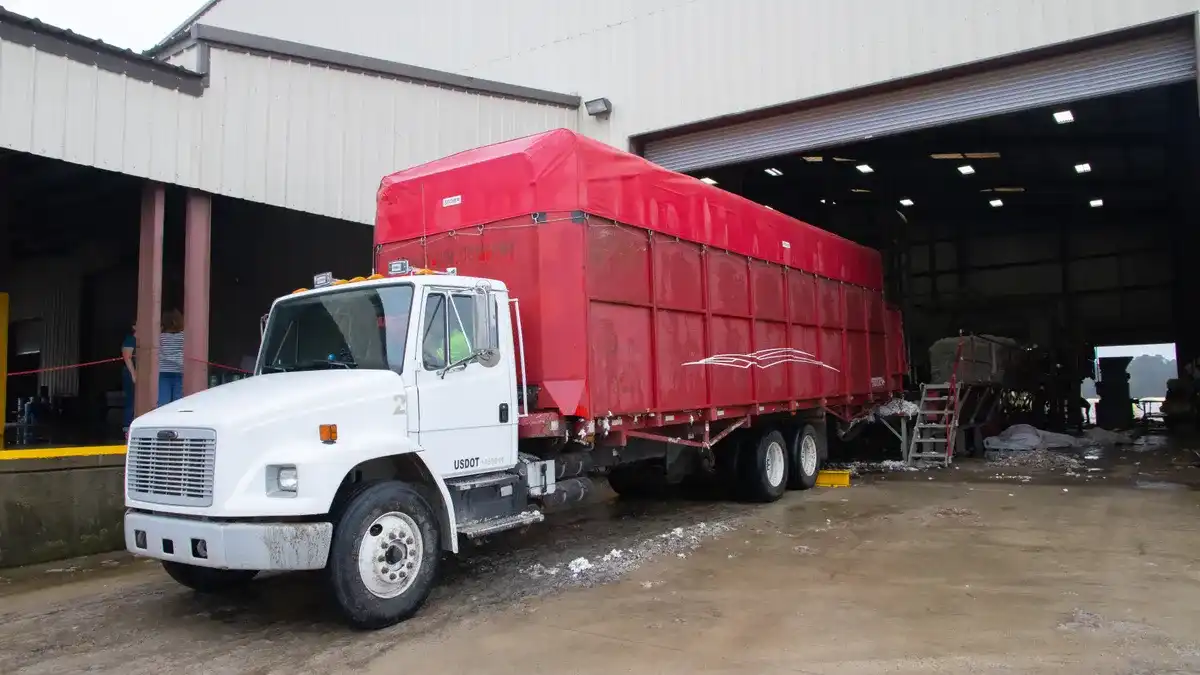
Quick answer: ask 6 things before you book a mulch delivery truck—access, drop zone, unloading method, timing, surface limits, and what to move. A mulch delivery truck can save you hand labor, but only if the drop spot, access, and pile size fit your site.
Ask about driveway access, the exact drop zone, and how the driver will unload before you book.
The checklist below settles the questions that help avoid blocked driveways, broken curbs, and a pile dumped in the wrong place.
What should you ask first?
Ask where the truck can legally and physically reach, what spot the driver will use, and whether the load will be dumped or placed in a single pile. A good mulch supplier will answer those questions before payment, because the wrong answer can leave you with a pile that sits 20 feet too far from the bed you want to fill.
Picture this: you’re looking at a clean driveway on the day before delivery, and the truck needs to turn, stop, and unload without backing into a tight corner. That is the moment to ask about driveway access, the drop zone, and any surface limits before the truck arrives.
- Ask if the truck needs a straight approach or a wide turn.
- Ask whether the driver can cross grass, gravel, or soft soil.
- Ask where the pile will land if the preferred spot is blocked.
- Ask if the crew will call before arrival or give a delivery window.
“Can you just drop it by the house?” is not a real site plan. A driver needs a target and a route, and you need to know whether that route can handle a loaded truck without ruts, curb damage, or a missed drop.
Can a mulch truck dump on a driveway?
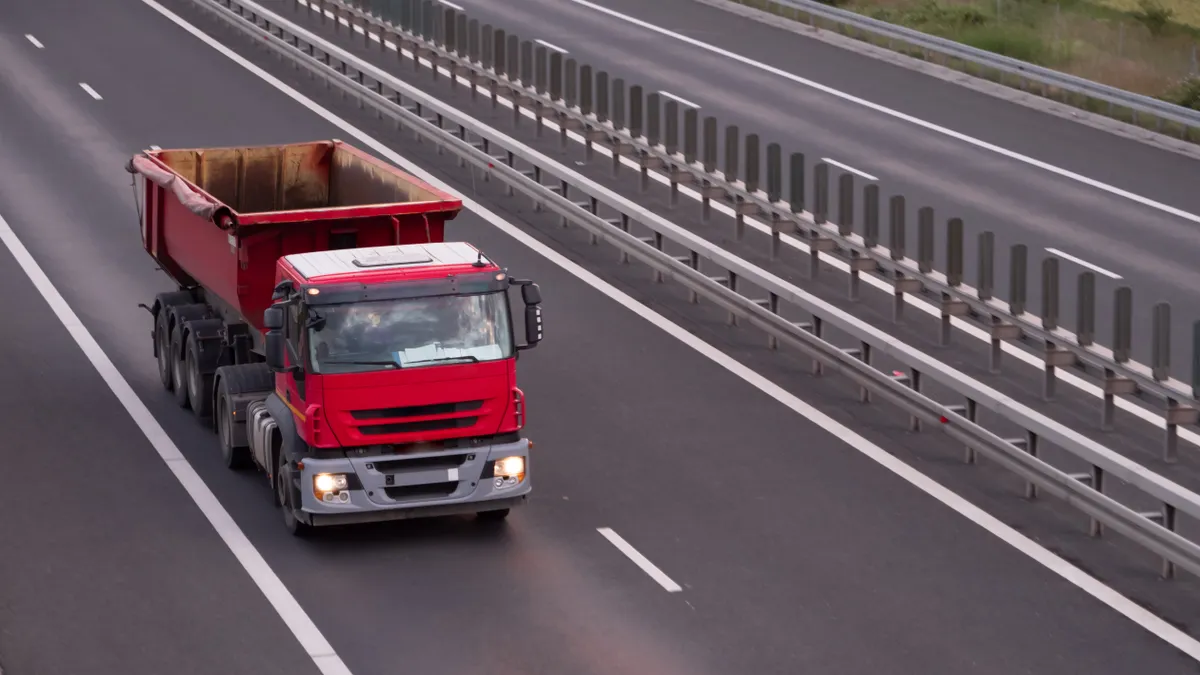
Yes, a mulch truck can dump on a driveway if the surface, slope, and turning room fit the truck. Some suppliers will not use a steep, narrow, or weak surface, so it is better to confirm the driveway first.
Picture this: you want the pile close to the garage, but the driveway has a tight bend and a low edge near the street. A loaded truck can be unforgiving in that space, so the supplier needs to know the width, slope, and any overhead limits before the run.
A smart question sounds like this: “Can your truck dump on my driveway, or do you need a street-side drop?” That gets you a real answer instead of guesswork. It also tells you whether the driver is planning a backed-in drop, a side dump, or a front unload.
- Ask about surface type: concrete, asphalt, pavers, gravel, or dirt.
- Ask about slope and soft shoulders.
- Ask about overhead wires, trees, and low garage eaves.
- Ask whether the truck can leave the pile without blocking your car.
For planning help beyond the booking call, the hub on mulch purchasing and delivery logistics is the right next stop, and the mulch buying guide can help you compare options before you schedule. If you need a broader site check, see landscaping delivery tips and driveway loading basics.
What do suppliers need to know before delivery?
Suppliers need the exact delivery address, the drop location, the access route, and any site limits that affect the truck. If you give only a street name, the driver may still show up, but the odds of a bad drop go up.
Picture this: you’re in a yard with a side gate, a long driveway, and one narrow opening between two parked cars. The supplier needs more than “near the back fence.” They need a map in words that tells them how a truck gets in, where it stops, and what happens if the preferred spot is blocked.
Give the supplier these details before checkout:
- The full address and any unit number.
- The best phone number for the delivery day.
- The drop zone you want, named clearly.
- Any gate width, turn limits, or curb issues.
- The surface at the drop point and the route to it.
- Whether someone must be home to guide the driver.
A plain sentence works best: “Use the left side of the driveway and leave the pile 10 feet from the garage door.” If you know the exact spot, say it. If you do not, describe the nearest hard surface and the obstacle that matters most. A mulch delivery truck can only follow the instructions it gets.
How much pile do you want, and where will it sit?

You should ask for the supplier’s pile shape and spread pattern, not just the amount on the order. A pile that looks fine in the truck can land as a much wider mound on the ground, and that matters when the space is tight.
Picture this: you have a 12-foot run along a fence, and you need the load to stay out of a flower bed and off a walkway. If the dump creates one wide mound, the pile may spill into the path even when the quantity was correct.
This is where people get tripped up. They ask for the right amount, then forget that the truck may dump in one cone-shaped heap. That heap can be easier to move with a wheelbarrow, but it can also block a narrow side yard or sit too close to a curb.
- Ask how wide the pile usually spreads after dumping.
- Ask whether the driver can split the load into more than one spot.
- Ask how close the pile can be to a wall, fence, or landscaping edge.
- Ask what access is needed for later moving with a wheelbarrow or tarp.
One honest limitation: a supplier may not promise an exact pile footprint because material flow changes with truck angle and ground shape. That is normal. Still, they should tell you enough to judge whether the spot is usable, especially if your mulch delivery truck is serving a tight yard.
What should you clear before the truck shows up?
Clear the route, the drop zone, and anything the truck could hit or sink into. A few minutes of prep may help you avoid a missed delivery, a stuck wheel, or a pile dumped in the wrong place.
Picture this: the truck is due in the afternoon, and the driveway still has a car, a trash bin, a basketball hoop, and stacked firewood near the edge. The driver needs room to work, not a puzzle.
Do this before delivery:
- Move cars out of the driveway and the street-side path.
- Clear toys, tools, hoses, bins, and ladder stands.
- Open gates and open any access points the driver needs.
- Mark sprinkler heads, septic lids, or soft ground if they sit near the drop.
- Leave enough room for the truck to leave without reversing into a tight corner.
Good prep does not need to be fancy. A clear path and a visible target are usually enough. If the supplier asks for a photo, send one from the street and one from the drop area. That can answer more than a long phone call, and it can help the mulch delivery truck arrive ready to unload.
How should you handle delivery timing and truck access?
You should ask for a delivery window, a contact number for the driver or dispatcher, and a backup plan if the truck cannot enter as expected. Timing matters because a truck that arrives before the site is ready can block traffic or miss the intended drop spot.
Picture this: you plan to be home at noon, but the truck shows up before the gate is open and the driveway is still full. That small mismatch can turn into a second trip or a rushed drop in the wrong place.
Ask these timing questions:
- Is the delivery a same-day stop or a scheduled window?
- Will the driver call before arrival?
- What happens if no one is home?
- Can the truck wait if a car has to be moved?
- Is there a cutoff for unloading on your street or property?
Truck access is as much about timing as terrain. A clean path at 8 a.m. is useless if the car is still parked there at 9:15. If the supplier cannot promise a call-ahead, build a wider time buffer into your day. That is especially important when a mulch delivery truck has to fit into a narrow window.
Which questions prevent the worst delivery mistakes?
The questions that save the most trouble are the ones about access, drop location, and refusal conditions. Ask those before you ask anything else. A pile in the wrong place is harder to fix than a slightly delayed truck.
Picture this: the truck reaches the street, but the driver says the driveway is too narrow, the shoulder is too soft, and the only safe option is the curb. That is the kind of surprise a few plain questions can prevent.
Use this short script when you call the mulch supplier:
- Can your delivery truck reach my driveway safely?
- Where exactly should the pile be dropped?
- Can you dump on the driveway, or do you need another surface?
- How much room does the truck need to turn and leave?
- What should I move before delivery?
- What happens if the access path is blocked?
Ask it this way and you’ll sound prepared, not fussy. A good supplier will know the answers fast. A vague one usually becomes expensive later, even if the price looked fine at first. The mulch delivery truck question set is simple, but it protects the whole job.
When should you reconsider the delivery plan entirely?
You should rethink the plan if the truck cannot safely enter, the drop zone is too tight, or the pile would block access you need the same day. In that case, a different drop spot, a smaller load, or a hand-unload plan may fit better.
Picture this: the only open space is beside a narrow garage lane, and a dump pile would sit where your car needs to back out by evening. That is not a good delivery plan, even if the material itself is the right choice.
Reconsider if any of these are true:
- The driveway is too narrow for a loaded truck to turn.
- The ground at the drop point is soft, steep, or damaged.
- The pile would block a gate, car, or utility access.
- The supplier cannot explain how the truck will enter and exit.
This is the point where “close enough” causes the most trouble. If the site is awkward, ask the supplier whether a different access point or a rescheduled drop makes more sense than forcing the truck into a bad setup. A mulch delivery truck should fit the site, not the other way around.
The Verdict: what to ask before you book
Choose the supplier that gives clear answers about driveway access, the drop zone, and truck clearance if your site has any tight spots. Choose the one that will also explain timing, pile placement, and what must be moved before arrival. Not the one that cannot reach the site without risking damage.
Key Takeaways
- The safest booking starts with access, not price.
- The driver needs a real drop target, not a vague “near the house.”
- Tight drives, soft ground, and parked cars are the usual delivery problems.
- A clear route and a clear pile spot prevent most surprises.
- If the site is cramped, change the plan before the truck rolls.
Can a mulch truck dump on a driveway?
Yes, if the driveway can handle the truck’s weight, width, and turning room. The supplier should tell you if the surface is too tight, too soft, or too steep for a safe drop.
If you want the pile on the driveway, say so before booking. A narrow drive, low edge, or blocked turn can make that impossible even when the material order itself is fine.
What do suppliers need to know before delivery?
Suppliers need the address, the best contact number, the exact drop location, and anything that affects truck access. They also need to know about gates, parked cars, soft ground, slopes, and low overhead hazards.
The best version is plain and specific: tell them where to go, where to stop, and where not to dump. That keeps the delivery from turning into a guess.
How do I prepare for mulch delivery?
Prepare by clearing the driveway, opening gates, moving vehicles, and marking anything the truck should avoid. You should also make the drop spot easy to see and leave enough room for the driver to leave safely.
A phone photo of the site can help if the access is confusing. The goal is simple: make the route obvious and the drop zone unmistakable.
Drafted with AI; not yet reviewed by a person.
Leave a Reply