
Last updated: November 01, 2026
Quick Answer: For most landscape beds, choose cedar for longer-lasting front-of-house beds, pine for the most forgiving general garden use, and cypress only when the source is clear and you want slower breakdown. In practical use, the safe choice depends on plant type, drainage, and how long you want the mulch to last. How to Use Cedar Mulch, Pine Mulch, and Cypress Mulch Safely comes down to matching the mulch to the bed, not assuming one material fits every site. The comparison below settles where each one fits, and where it doesn’t.
Key Takeaways
- Cedar mulch smells strongest and tends to last well, but that aroma is no substitute for good spacing and dry mulch depth.
- Pine mulch breaks down faster and usually suits garden plants that need steady soil life, not a heavy, long-lived cover.
- Cypress mulch can be useful in beds, yet source quality matters more because not every bag reflects the same harvest practice.
- No aromatic mulch fixes poor drainage, trunk contact, or a bed piled too deep.
- If a plant already struggles in wet soil, a lighter mulch layer may be the safer choice, along with better airflow, though the bed conditions should guide the final call.
I write about mulch materials, bed setup, and plant cover choices for landscape spaces, and the same rule keeps showing up: the mulch matters, but the way you place it matters more. That is the core of How to Use Cedar Mulch, Pine Mulch, and Cypress Mulch Safely.
Cedar, pine, and cypress mulch: the real difference
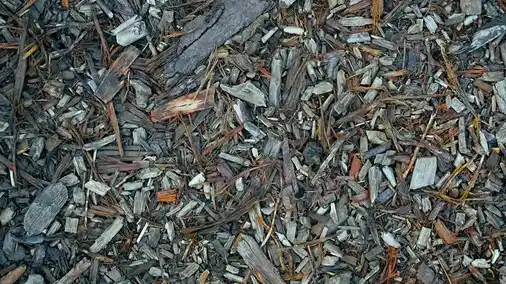
Cedar mulch wins on odor control and slower breakdown, pine mulch wins on plant friendliness and ease of use, and cypress mulch sits in the middle with a bigger sourcing question attached. That is the short version.
Here’s the catch: all three are wood mulches, so the real differences show up in aroma, decay rate, texture, and how they behave around roots, stems, and foundations. A mulch that stays intact longer can be helpful in landscape beds, but the same trait can work against fine-rooted garden plants if it gets matted or blocks moisture from reaching the soil. The U.S. EPA’s WaterSense guidance also emphasizes keeping mulch away from plant crowns and trunks, especially in beds that stay moist.
| Criteria | Cedar Mulch | Pine Mulch | Winner for this condition |
|---|---|---|---|
| Aroma | Strong, noticeable cedar scent | Mild resin scent | Cedar, for areas near patios and entries |
| Decomposition | Slower breakdown | Faster breakdown | Cedar, for longer bed coverage |
| Soil feeding | Less frequent refreshes | Adds organic matter sooner | Pine, for soil-building beds |
| Texture | Often coarse and airy | Often lighter and finer | Pine, for tender plant areas |
| Insect concern | Often chosen for its scent, but not a pest cure | Not marketed around repellency as much | Cedar, if scent is the goal |
| Plant sensitivity | Fine if kept away from stems | Usually the easiest on roots and soil life | Pine, for mixed plantings |
| Source concerns | Commonly available, but still check product quality | Often widely available | Pine, for straightforward buying |
| Best around homes | Good near walks and entry beds | Good, but less aromatic | Cedar, for a cleaner-smelling edge |
| Best for refresh timing | Holds shape longer | Needs topping up sooner | Cedar, for low-maintenance beds |
The table points to the main rule: cedar is the tidy, long-lasting choice; pine is the plant-safe workhorse; cypress is the conditional pick that depends more on sourcing than most shoppers realize. The Arbor Day Foundation and university extension guides both stress that the installation method matters as much as the material.
Is cedar mulch safe for plants and near the house?
Cedar mulch is safe in most beds when you keep it off stems, trunks, and crowns and use a moderate layer. The safety issue is usually placement, not the wood itself.
Picture this: you’re edging a front bed beside a walkway, and you want mulch that looks neat, smells clean, and does not vanish after one season. Cedar fits that job well. Its scent is the feature people notice first, and that same aroma is why many homeowners use it around entry beds and along the house line.
The real advantage is durability. Cedar tends to break down more slowly than pine, so you refill less often. In a 2- to 3-inch layer, that can help in long runs along foundations and front beds where you want a stable surface. The drawback is that a slow-decaying mulch may not be the best choice if your soil needs frequent organic input or if you want the bed to refresh quickly.
- Best use: front-of-house beds, walkways, foundation plantings, and dry spots.
- Keep it away from: plant crowns, tree trunks, and any area where water already lingers.
- Watch for: overfilling the bed, which can hold moisture against bark and stems.
- Not ideal for: sites where you want quick soil improvement from decomposing mulch.
The claim that cedar “repels insects” gets overstated all the time. The scent may be part of the appeal, but mulch is not a pest-control plan. If the bed attracts insects because it stays wet or touches the trunk, cedar won’t save it.
Is pine mulch acidic, and when does it make the most sense?
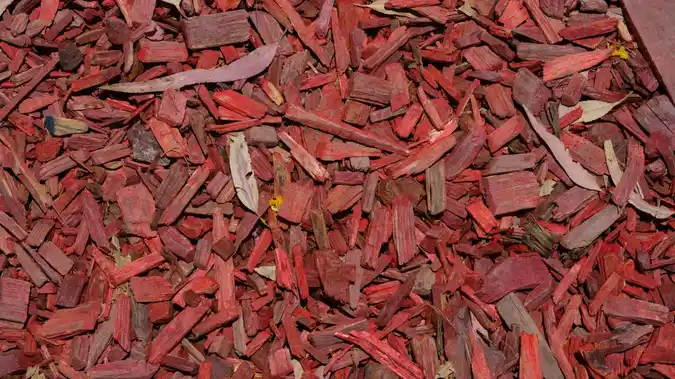
Pine mulch is usually the easiest choice for mixed garden plants because it breaks down faster and is less likely to feel heavy on the soil surface. The “acidic” question gets asked a lot, and the practical answer is more useful than the chemistry debate.
Picture this: you’ve got a mixed bed with shrubs, perennials, and a few young plants that need air at the root zone, not a thick crust on top. Pine is often the smoother fit. It tends to fluff out nicely, and as it decomposes, it adds organic matter back to the bed sooner than cedar. The University of Minnesota Extension notes that pine-based mulches are commonly used for this kind of general bed coverage.
That faster decay is both its strength and its weakness. If you want a mulch that disappears into the soil and helps feed the bed, pine makes sense. If you want the bed to hold a finished look for a long time with fewer refreshes, pine asks for more upkeep.
- Best use: mixed planting beds, young shrubs, and areas where you want faster organic breakdown.
- Good fit for: people who refresh mulch on a regular schedule.
- Trade-off: it needs topping up sooner than cedar.
- Common mistake: laying it too thick because it looks light and airy.
Pine mulch is not a guaranteed soil-acidifier. The safer way to think about it is this: pine is generally plant-friendly, but mulch alone does not rewrite the soil under it. If a bed has a specific pH problem, test the soil first and use the mulch choice as only one part of the fix. Rutgers Cooperative Extension and other university soil guides recommend soil testing before trying to correct pH through surface materials.
The honest side of pine mulch
Pine mulch wins when the goal is gentle coverage and soil-building. It loses when the goal is long-term coverage with less maintenance.
That makes it a poor fit for someone who wants a crisp, low-touch bed for several seasons. It is also not the best answer for a site where wind scatters light mulch or where rain tends to move fine material downhill, so a heavier or more stable texture may work better there.
What makes cypress mulch a conditional choice?
Cypress mulch can work well in beds, but it is the one I would treat most carefully because the source matters more than the label. That is the big difference.
Picture this: you need mulch for a broad bed, you want a natural look, and you’ve seen cypress sold as a premium option. The problem is that “cypress” tells you almost nothing about the harvest practice or the final texture in the bag. In other words, the name sounds neat, but the real question is where it came from and how it was processed.
Cypress often appeals because it holds together and looks finished after spreading. That makes it attractive for ornamental beds, especially where appearance matters. The weakness is that it can be a frustrating pick if you are trying to make a sustainability-minded choice and the product information is thin. The U.S. Forest Service advises buyers to consider product origin and forest impacts when evaluating wood products.
- Best use: ornamental landscape beds where appearance and slower breakdown matter.
- Watch closely: product source and labeling quality.
- Good fit for: people who want a neat, settled look and are willing to read the bag.
- Weak point: source uncertainty, which can matter more than the mulch itself.
Cypress is not the automatic “better cedar.” It can look similar in the bed, but the decision should hinge on the specific bag and its origin. If the sourcing is vague, the safer move is usually pine, or cedar if your bed conditions favor slower decomposition.
Side-by-side: which mulch works better in each situation?
Cedar wins for long-lasting front beds, pine wins for flexible planting beds, and cypress only wins when the bag is clearly sourced and the bed calls for a slower-to-break-down mulch. That is the practical split.
Picture this: you’re standing in the garden center with three mulch labels in front of you. The right choice changes with the site, not with the marketing on the bag. This is where the comparison becomes useful.
| Situation | Cedar Mulch | Pine Mulch | Cypress Mulch | Best Pick |
|---|---|---|---|---|
| Front walk or entry bed | Strong scent, tidy look | Fine, but less distinctive | Neat finish | Cedar |
| Mixed perennial bed | Can be a bit long-lasting | Light, plant-friendly | Acceptable if sourced well | Pine |
| Bed near a foundation | Good for a clean, stable edge | Good, but needs more refreshes | Good if quality is clear | Cedar |
| Bed that needs soil-building | Slower contribution | Breaks down sooner | Middle ground | Pine |
| Area with recurring wet spots | Can trap moisture if piled too deep | Often safer if laid thin | Depends on texture | Pine |
| Low-maintenance display bed | Strong option | Needs more topping up | Often suitable | Cedar |
| Budget-conscious refresh cycle | Fewer refills, but depends on bag size | Usually easy to keep up with | Varies widely | Pine |
| Source transparency matters most | Straightforward if product details are clear | Usually simple | Highest need for scrutiny | Pine |
The winner changes with the job. That is the whole point.
The safety rules that matter more than the wood type
No mulch is safe if it is piled against trunks, stems, or house siding. The same mistake causes more problems than cedar, pine, or cypress ever will.
Picture this: you spread a beautiful layer, step back, and the bed looks finished. Then rain starts, the mulch settles, and the low spots hold moisture right where bark and crowns need air. That is where trouble starts. The wood choice matters, but the installation rules matter more.
Use these rules for all three:
- Keep mulch off plant stems and tree trunks.
- Leave the crown of a perennial exposed.
- Do not bury root flare on shrubs or trees.
- Use a moderate layer, not a mound.
- Refresh only when the bed thins out, not just because the color changes.
If you are unsure about bed layout around trees, the USDA Forest Service and university extension guides on mulch placement are better references than a bag label. A standards-minded source is the University of Florida IFAS Extension, which has practical guidance on mulch use around landscape plants.
The biggest safety mistake is assuming “natural” means “harmless.” A natural mulch can still smother a crown, hold too much water, or create a damp collar around the base of a plant.
Which one should you choose?
Choose cedar if you want a longer-lasting mulch for front beds, foundation edges, and places where a strong scent and tidy finish help. Choose pine if you want the gentlest all-around option for mixed plantings, faster breakdown, and easier soil-building. Neither if the bed already holds too much water or if you plan to pile mulch against trunks.
Picture this: you need one answer before you buy the bags. That answer depends on the bed, not just the mulch name. For a front-of-house landscape bed, cedar is the cleaner long-term pick. For a mixed planting area with sensitive roots, pine is usually the safer everyday choice. Cypress is the conditional third option, best reserved for cases where the product source is clear and the bed really benefits from slower breakdown.
- Choose cedar if you want less frequent refreshes and a stronger aromatic presence.
- Choose pine if you want the most forgiving mulch for general garden use.
- Choose cypress only when the bag’s source and material quality are clear enough to justify it.
The best part? You do not need a special mulch to make a bed look finished. You need the right mulch depth, the right clearance, and the right match for the plants.
Is cedar mulch safe for plants?
Yes, cedar mulch is safe for most plants when it stays off stems, trunks, and crowns. The main risk is not the wood itself; it is piling mulch too deep or pressing it against living tissue. In landscape beds, cedar works best as a surface cover, not a collar around the base of a plant. If a bed stays wet, use less mulch and check drainage.
Is pine mulch acidic?
Pine mulch is not a reliable soil-acidifier in the way many people assume. The practical effect in a bed is usually about texture and decomposition, not a dramatic pH shift. That makes it a useful mulch for many garden plants, especially when you want faster organic breakdown and lighter coverage. If pH is the real issue, test the soil instead of guessing from the mulch.
Is cypress mulch a good choice?
Yes, cypress mulch can be a good choice for ornamental beds if the source is clear and the site benefits from slower decomposition. It is less convincing when the product label gives little detail or when sustainability is a big concern. For many homeowners, pine is the simpler, safer default, while cedar is the better fit for front beds and areas that benefit from a longer-lasting finish.
Drafted with AI; not yet reviewed by a person.
Leave a Reply