Last updated: October 31, 2026
Quick answer: use pine straw instead of wood mulch when the bed is sloped, naturalized, or centered on evergreen plantings. In many residential beds, the choice boils down to one thing: do you need a lighter cover that stays put, or a heavier cover that looks more polished on flat ground?
On a slope, pine straw usually makes more sense. It is lighter, softer, and less fussy. By contrast, wood mulch tends to look sharper on level ground.
Pine straw is the better pick when you need light coverage on sloped beds, want a softer look around evergreen beds or native plantings, and care more about holding the surface in place than building a thick, heavy mat. Wood mulch works best on flat beds where you want longer-lasting coverage and a more formal look. The USDA Forest Service notes that mulch helps conserve moisture and reduce erosion, but the material still has to match the site. USDA Forest Service
A simple way to frame it: pine straw is a lighter, airier ground cover; wood mulch is denser and usually better at suppressing weeds for longer on level ground. Honestly, this is the question I hear most often—what belongs on a slope, around shrubs, or in a naturalized planting?
Key takeaways
- Pine straw is often the better choice on slopes, where its needle structure helps it cling better than loose wood chips.
- Wood mulch is usually the better choice on flat, tidy beds where appearance and longer coverage matter more than easy handling.
- Pine straw fits best in evergreen beds, native plantings, and places where a lighter, less formal finish looks natural.
- Wood mulch is not the right answer for every bed, especially where heavy runoff, steep grades, or frequent hand maintenance are issues.
- Want a clean, formal landscape edge and less frequent top-offs? Wood mulch usually wins.
- Want lighter material, easier spreading, and a more natural look? Pine straw is often the smarter pick.
Pine straw vs. wood mulch: the real difference
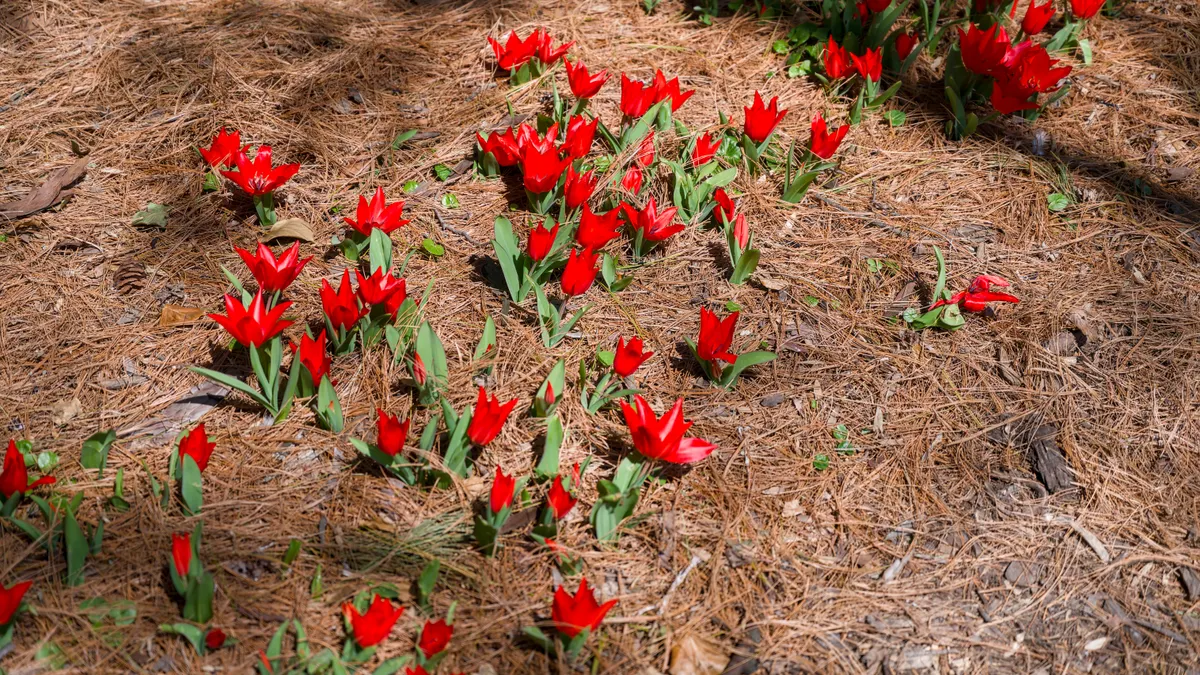
Pine straw wins when the bed needs a material that stays put on a slope without forming a dense crust. The needles interlock, so they behave differently from shredded bark or chips, which can slide, wash, or float more easily after hard rain. On sloped beds, berms, and other places where gravity is part of the problem, that matters. University of Georgia Extension
Wood mulch wins when the bed is flatter and you want a heavier visual anchor. It usually creates a more finished look, especially around foundation plantings and formal borders. It also tends to read as a stronger weed barrier because the pieces are larger and more opaque. On flat ground, that density can help—though it is not a guarantee against weeds or runoff.
So the real question is not “which is prettier?” It is “which material matches the shape of the bed and the style of the planting?” Pine straw suits a loose, woodland, or naturalized design. Wood mulch suits crisp lines and broader flat areas.
For a broader overview of material choices, the hub on mulch types and uses is the right place to start; then come back here for the swap decision.
When pine straw is the better choice
Pine straw wins for sloped beds, naturalized plantings, and evergreen beds where the goal is to keep the surface covered without fighting runoff. The material is light enough to spread easily, but its needle texture gives it a better chance of staying in place than chunky wood pieces on an incline. Banks, hillsides, and other beds where material migration is a constant annoyance are exactly where it shines.
It also fits native plantings better than many wood products. A mixed woodland edge, a bed of azaleas, hollies, or understory shrubs, or a landscape that already uses leaf litter and fine-textured ground cover tends to look more coherent with pine straw. The color is softer and less formal, which can help the planting look intentional instead of overmanicured; if you are uncertain about the best look for a front-of-house bed, consult a landscape professional. Purdue Extension
The main weakness? Pine straw is not as visually bold as wood mulch, and it can look thin if it is underapplied. It also does not always block light as aggressively as a heavier wood cover on flat ground, so some weeds can show through sooner if the layer is sparse. That means it is a better fit for people who care about slope performance and natural appearance than for someone who wants a sharply defined, highly polished finish.
Pine straw is the right choice if you are covering a steep or moderate slope, building around pines or evergreen shrubs, or trying to make a bed look like it belongs in a woodland edge rather than a formal front walk.
Pros
- Better in many sloped and uneven areas
- Easier to spread by hand in awkward spaces
- Natural look suits evergreen beds and native plantings
- Light texture can make large areas feel less heavy
Cons
- Less formal appearance than wood mulch
- Can look patchy if spread too thin
- Usually not the best choice when you want a dense, heavy visual cover
When wood mulch wins
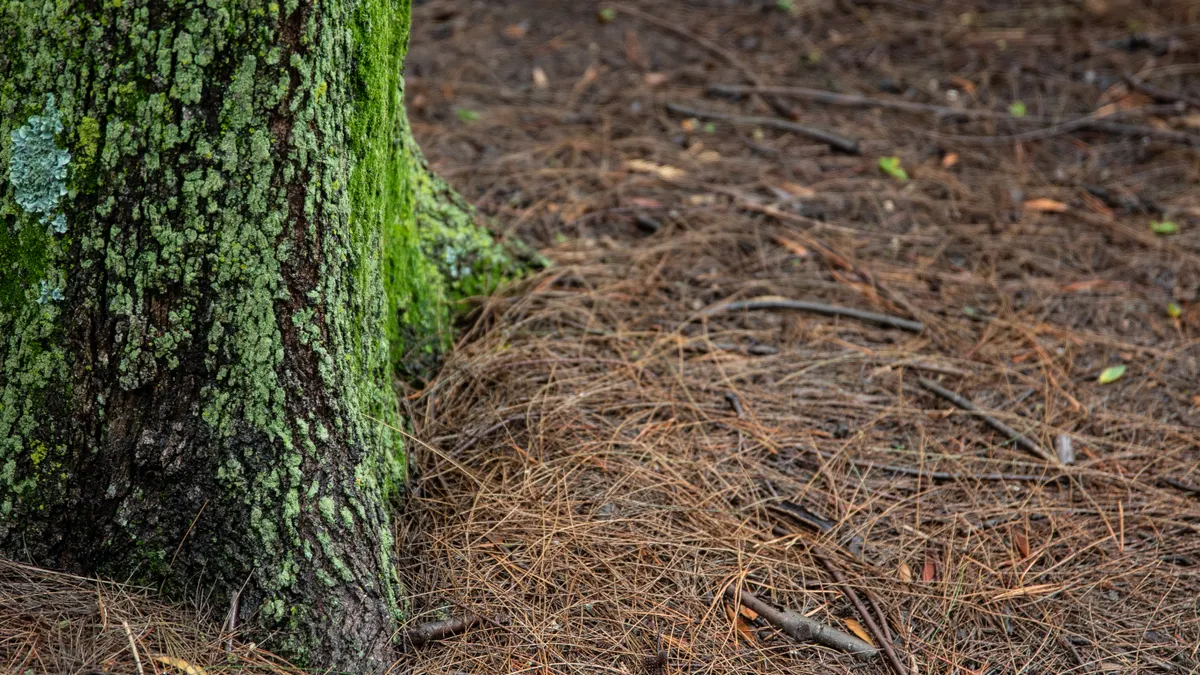
Wood mulch wins on flatter ground, in front-yard beds, and in places where the landscape design calls for a more finished edge. The denser pieces create a darker, more uniform surface, which makes plantings look tidy fast. If the goal is curb appeal around a house, walkway, or commercial frontage, wood mulch usually does that job better.
It also tends to be the better choice where weed suppression matters more than visual softness. A thicker, more opaque wood cover blocks light well and can give you a stronger short-term weed barrier on level beds. That does not make it permanent, but it does make the bed look cleaner for longer between touch-ups if the bed is not steep.
The downside is plain enough: wood mulch can be harder to keep in place on slopes, especially where water channels downhill. Chips and shredded bark can shift under runoff, leaving thin spots at the top and piles at the bottom. It can also feel too formal in a naturalized planting, where a darker manufactured look may clash with the plant palette.
Wood mulch is the right choice if your bed is mostly flat, you want a crisp and polished look, and you do not want a lightweight cover that blows or slides as easily. It is also the safer pick if the planting design depends on strong visual contrast against paving, siding, or stone edging.
Pros
- More formal, finished appearance
- Strong visual coverage on flat beds
- Often better for neat borders and foundation plantings
- Works well where you want darker contrast
Cons
- Can move on slopes after rain
- Heavier look can feel too formal in naturalized spaces
- Not as easy to distribute in awkward or irregular spaces
The honest side-by-side
Pine straw is the better material for movement-prone beds; wood mulch is the better material for polished, level beds. That simple split covers most of the decision, but the details matter because the bed itself changes the outcome more than the brand on the bag.
| Criteria | Pine straw | Wood mulch | Winner for |
|---|---|---|---|
| Slope stability | Interlocking needles are less likely to slide than loose chips on moderate slopes | Can wash or creep downhill when runoff runs through the bed | Sloped beds |
| Appearance | Soft, natural, woodland look | Cleaner, darker, more finished look | Formal borders |
| Best planting style | Evergreen beds and native plantings | Foundation beds and mixed ornamental borders | Matching the design language |
| Handling and spreading | Light and easy to place in awkward areas | Heavier and sometimes more tiring to move | Hand work in tight spaces |
| Weed-blocking feel | Airier surface, less opaque | Denser, more light-blocking on flat ground | Flat beds with weed pressure |
| Runoff resistance | Often stays in place better on grades | Can concentrate at the bottom of a slope after heavy rain | Areas with water movement |
| Visual formality | Low-formality, natural finish | High-formality, landscape-manual finish | Front yards and showy beds |
| Fit near evergreens | Very good because the texture matches the planting | Good, but often looks more manufactured | Evergreen beds |
The table points to the same conclusion most landscape pros reach by instinct: pine straw is the slope-friendly, natural-looking choice; wood mulch is the style-first, flatter-bed choice. If the bed is at a 10-degree or steeper grade, the advantage of pine straw becomes more meaningful. On level ground built for curb appeal, wood mulch usually looks better.
Pine straw: who should actually use it
Pine straw is the right pick for people dealing with sloped beds, naturalized beds, or spaces where the bed edge is not perfectly tidy. If the landscape includes pine trees, evergreen shrubs, azaleas, hollies, or native understory plants, the material usually fits the planting style better than wood mulch does. It is also a practical choice when hand application matters, since the material is lighter and easier to place around irregular roots, tight corners, and awkward contours.
The strongest case for pine straw is erosion control on moderate slopes where the main job is keeping the surface covered. The needles knit together and resist a lot of the shuffling that can happen after rain. That does not make it a cure-all for erosion; a badly graded bank still needs drainage and plant cover, and a site with serious runoff may need a civil or landscape professional to assess it. But for ordinary residential slopes, it is often the more dependable surface material.
The downside is straightforward: pine straw is not ideal if you want a formal, sculpted look. It can also seem visually thinner in exposed spots, especially if the layer is uneven. People who want a bold, dark, highly uniform finish should not force pine straw into that role. A bed along a front walk with geometric edging is often a wood mulch job, not a pine straw job.
Pine straw is for the homeowner who wants the bed to look natural and behave well on a slope, not for the person chasing the most polished possible finish.
Pros
- Better behavior on grades
- Natural appearance for woodland-style beds
- Easier to work around established plants
- Good match for evergreen and native plantings
Cons
- Less formal visual effect
- Can appear sparse if not applied evenly
- Not the best choice for crisp, manicured frontage
Wood mulch: the specific situations where it wins
Wood mulch wins when the bed is flat, visible, and meant to look finished from the curb or patio. It is the cleaner answer for foundation plantings, broad border beds, and other spaces where the landscape design depends on strong visual uniformity. If you want a dark, even surface under shrubs or along a fence line, wood mulch usually gives that result more directly than pine straw.
It also wins where the concern is less about slope and more about presentation. A bed around a new home, a rental property, a storefront, or a formal garden path often looks more intentional with wood mulch. The material frames plant shapes and hardscape edges well, especially when the bed has straight lines and simple geometry.
The weakness is that wood mulch is not the best material for a hillside or a bed that gets runoff in sheets. On those sites, it can move, mound, or thin out in the wrong places. That means more maintenance and a less consistent surface over time. It is also a poorer stylistic match for native plantings that are meant to feel relaxed rather than manufactured.
Wood mulch is the right pick if your bed is flat or gently sloped, you want a polished finish, and you are not trying to solve a runoff problem with the surface layer alone.
Pros
- More formal and polished appearance
- Strong match for flat, visible beds
- Good for foundation plantings and structured borders
- Often more opaque and uniform on level ground
Cons
- Less dependable on slopes
- Can shift with water movement
- Sometimes looks too manufactured for naturalized spaces
The verdict: which one to choose and why
Choose pine straw if the bed is sloped, the planting is naturalized, or the landscape is built around evergreen beds and native plants. Choose wood mulch if the bed is flat, formal, and meant to look crisp from the street. Neither if you are trying to fix serious erosion, poor drainage, or a grading problem with surface cover alone.
That is the cleanest decision rule. Pine straw is the better functional choice for slopes and relaxed plantings. Wood mulch is the better visual choice for level beds and polished borders. If the site has both conditions, use pine straw on the slope and wood mulch where the bed flattens out.
When should I rethink the choice entirely?
Rethink both options if the bed has active water channels, exposed soil that washes after rain, or a grade steep enough that surface cover keeps migrating no matter what you use. In those cases, the issue is not whether pine straw or wood mulch looks better; the issue is that the site may need reshaping, edging, drainage work, or stronger plant coverage first. The University of Minnesota Extension makes the same point: mulch helps, but it does not replace site correction. University of Minnesota Extension
Another reason to step back is if the bed is being built for a very formal look but sits on a slope. That is a design conflict. A clean, structured result on a hill usually takes more than a surface layer, and the “best” material may still look compromised if the grade is fighting it.
A third case is a mixed property with both native plantings and showpiece frontage. That is not one material problem. It is two different bed types with two different jobs, and the material should follow the job rather than forcing one cover across the whole yard.
Is pine straw better on slopes?
Yes, pine straw is usually better on slopes because the needles interlock and tend to stay put better than loose wood pieces. On a grade, that lower-profile texture matters more than it does on flat ground. It is one reason pine straw is so common in Southern landscape beds and other sites where runoff is part of the design problem.
Still, slope alone does not solve everything. A steep bank with bad drainage, exposed soil, or no planting structure may still need more than mulch. In that case, the question is not just whether pine straw is better on slopes; it is whether the site is ready for mulch at all.
Drafted with AI; not yet reviewed by a person.
Leave a Reply