Last updated: October 31, 2026
Key Takeaways
- A sloped bed holds mulch when the surface gives it traction.
- Coarse bark and pine straw usually resist sliding better than fine shredded mulch on a slope.
- You keep mulch from washing away with edging, rough soil, and a bottom barrier.
- You mulch a sloped bed by prepping the grade, anchoring the edge, and laying a thin, even cover from the top down.
A sloped bed keeps mulch in place when you slow runoff, anchor the edges, and choose a material that knits together instead of floating apart. For How to Mulch a Sloped Bed So It Stays in Place, the fix is usually not “more mulch”; it is better prep, better containment, and a lighter touch on the slope itself.
Start with the slope, not the pile
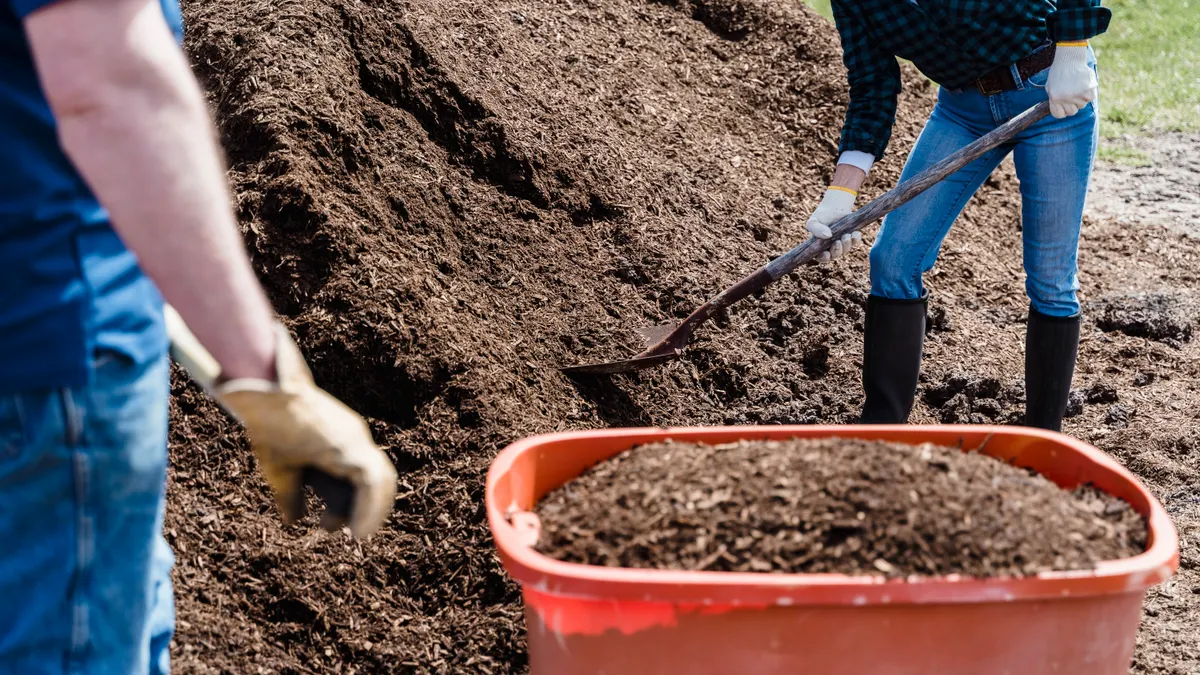
A sloped bed stays covered when the surface gives the mulch something to grip. Bare, smooth soil sheds rain, and a layer laid straight across a grade tends to move downhill after the first hard watering or storm. The first job is to shape the bed so water loses speed before it reaches the bottom edge.
Rake the soil surface to remove loose clods, sticks, and old root mats. If the slope is bare and crusted, rough it up with a hand cultivator or steel rake so the mulch can key into the top 1 inch of soil instead of sitting on a slick skin. On steeper sections, make shallow horizontal grooves across the slope rather than long channels running downhill. Those small ridges interrupt water runoff and buy the covering time to settle.
This is also the point to decide how much correction the bed needs. A mild incline can be handled with mulch and edging alone. A sharper grade may need more than that: low terraces, a short retaining border, or a change in plant layout. If the bed drops fast enough that water visibly races across it, mulch may not be enough by itself. That is the wrong place for a purely decorative finish.
For readers who want the broader maintenance picture, the hub on mulch application and bed care belongs alongside this process, because slope control is only one part of keeping a bed tidy through the season. The method here is narrower: hold the material where the water wants to move it.
Which mulch works best on a slope?
Coarse bark mulch and pine straw usually stay put better than fine, shredded material on a slope, though the best choice still depends on steepness, wind, and plant spacing. The reason is simple: larger, rougher pieces interlock, while light flakes and small chips float or slide more easily when rain hits.
Bark mulch is the safer default for most sloped beds, especially medium to large nugget styles. It has enough weight to resist wind and enough texture to settle into itself. Pine straw works especially well on acidic planting beds, under shrubs, and on banks where a layered, net-like mat is useful. It is light when you spread it, but the needles catch on one another and on the soil surface, which helps the cover resist washout.
Fine shredded mulch looks neat at first, but it can migrate downhill in sheets during a storm. That does not make it unusable; it just makes it a poor choice for steeper grades unless you also use edging, netting, or another restraint. Very chunky wood pieces can also slide if the bed is steep and the soil is smooth, because the pieces roll before they settle.
Choose the material based on the slope and the plants, not just appearance. A gentle front-yard bed can look polished with bark. A narrow bank beside a driveway often behaves better with pine straw, especially when the goal is to keep the surface covered without building a heavy layer that slumps.
If you want one rule to remember, use the mulch that has the most texture and the least tendency to flow. That is usually pine straw or a coarse bark product, not a fine decorative shred.
How do you keep mulch from washing away?
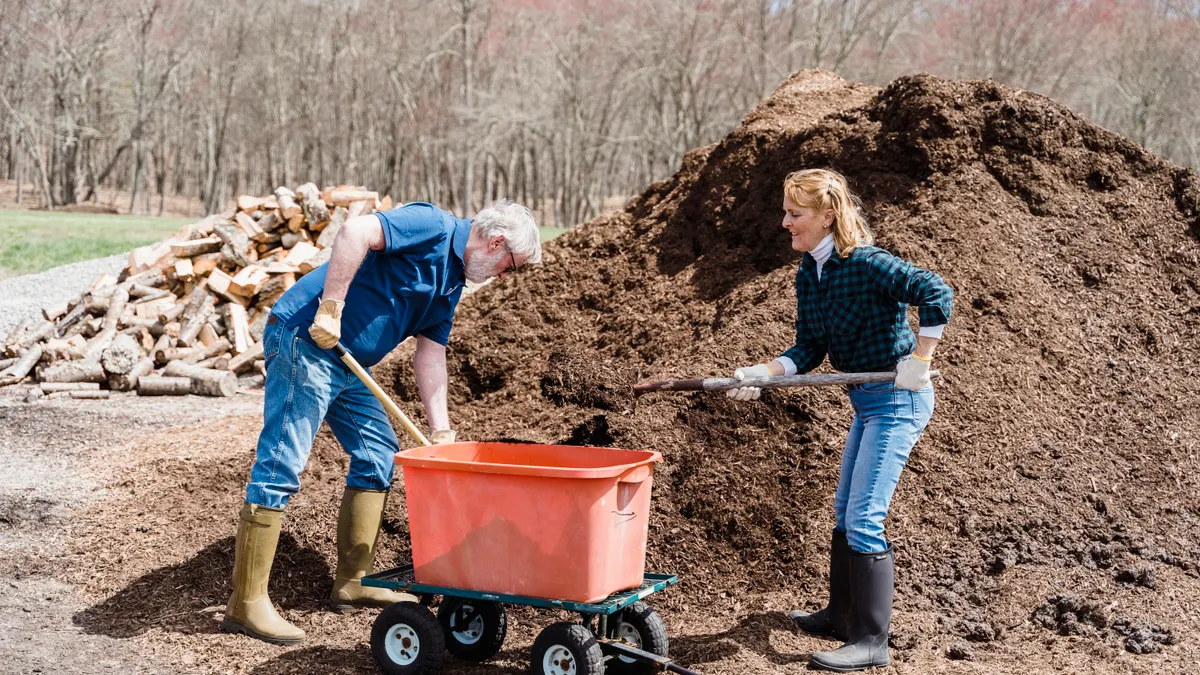
You keep mulch from washing away by combining a shallow edge, a roughened surface, and a barrier at the bottom of the slope. One trick alone is weak; the combination works.
Start by installing landscape edging where the bed meets a path, lawn, or driveway. A 4-inch steel, aluminum, or rigid plastic edging can help keep the lower edge from unraveling, especially if it is set flush and staked firmly. On a bed that empties onto turf, even a low border helps stop material from drifting out with every rain. If the grade is strong, a timber, stone, or paver edge can do more than plastic because it creates a more definite stop.
Next, slow the water. Short crosswise terraces, small swales, or a low row of stones can break the slope into shorter runs. Water loses energy when it has to change direction or pass over a few obstacles. That matters more than people expect. A bed that sheds water in a straight line will also shed mulch in a straight line.
Then lock the surface. Pine straw can be tucked under the lip of edging and lightly combed into itself. Bark mulch can be pressed gently into the soil with a rake so it sits nested rather than piled on top. On very exposed slopes, biodegradable erosion-control netting or jute mesh can be laid before mulching. The mesh is not decorative, but it gives the surface something to cling to while roots establish. If the slope is severe, consult a landscaping or erosion-control professional before relying on mulch alone; U.S. EPA guidance on erosion and sediment control recommends matching measures to site conditions.
Avoid the urge to dump a thick blanket at the top and hope for the best. A heavy pile often rolls downhill as one mass. A thinner, anchored covering stays where you put it. For this topic, restraint usually beats volume.
Follow these steps to mulch a sloped bed
You mulch a sloped bed by preparing the grade, anchoring the lower edge, and applying a thin, even layer from the top down. The order matters because runoff works from the top down too.
- Rake the slope to remove sticks, dead stems, and loose debris, then rough the soil with a hand rake so the surface is not slick.
- Install landscape edging or a low stone border at the downhill edge to create a physical stop for moving material.
- Water the bed lightly if the soil is powder-dry, so the surface settles and does not repel the first layer.
- Lay pine straw or coarse bark mulch from the top of the bed downward, letting each section overlap the last like roof shingles on a 20-degree pitch.
- Press the mulch gently into the soil with the back of a rake so it sits nested instead of fluffy and loose.
- Tuck stray strands or pieces under edging, around plants, and behind rocks so the bottom edge is pinned.
- Inspect after the first heavy rain and move any drifted material back into place before it mats at the bottom.
The right result is a bed that looks even, not bulky. If the surface still looks fluffy enough to sink your fingers deeply through it, the layer is probably too loose for a slope. If soil is visible in streaks after the first storm, the problem is usually not the depth alone; it is the lack of anchoring or the choice of a too-light material.
This is the part many generic guides miss: the application direction matters. Working top to bottom follows the water path and reduces the chance of creating a loose ridge that will slide later.
What not to do on a steep bed
You should not pile thick mulch deep enough to bury stems, flatten the bed into a smooth chute, or use a fine product on a bank with strong runoff. Those choices cost you time later because the material moves, mats, or smothers plant crowns.
The most common mistake is overfilling the top half of the slope. A thick upper load acts like a reservoir for rain. Once the top loosens, the material slides down and collects at the bottom edge, where it can bury low plants and spill onto walks. A better approach is an even, restrained covering with the edges secured, and if the slope is severe, consult a professional or local extension service before you commit to a mulch-only fix.
Another mistake is skipping edging because the bed “looks contained.” It may look fine for a week. Then a storm sends the lower edge creeping outward, and the whole bed begins to thin from the top while building a ridge at the bottom. Even a simple 4-inch border can prevent that slow failure.
A third mistake is choosing the wrong material for the grade. Fine shredded product can work on a flat border, but on a slope it often migrates. If the bed is steep enough that loose topsoil already moves after rain, use bark mulch or pine straw first, then reassess after a season. The USDA NRCS notes that erosion control improves when surface protection and slope treatment work together, not separately.
This is not the place for a perfect ornamental finish at the expense of function. A sloped bed is a drainage problem as much as a design problem. The material has to behave under weather, not just on installation day.
How much maintenance does a sloped bed need?
A sloped bed needs a quick check after heavy rain and a light touch-up a few times a season. That is usually enough to keep the cover stable without rebuilding the whole bed.
After the first major storm, walk the slope and look for three things: bare streaks, a pile at the bottom edge, and exposed plant crowns. If you see drift, rake the displaced material back uphill and press it in again. If the bottom border is overflowing, the bed may need a more solid edge or a little reshaping.
Seasonally, top off thin areas rather than adding a blanket everywhere. On a slope, more material can create more movement. The goal is to restore coverage, not to keep building thickness. If the bed gets compacted or looks patchy after several months, loosen the surface with a rake before adding a small amount of fresh bark mulch or pine straw.
Watch for runoff patterns as the weather changes. A dry spring storm can be surprisingly forceful on bare soil, while a summer downpour may carve small channels through the same bed. Catching those channels early keeps them from becoming permanent gullies. In many yards, one 30-minute check after a major storm prevents a much larger repair later.
Maintenance is also where you decide whether the current setup is good enough. If you are repairing the same downhill edge every time it rains, the issue is structural, not cosmetic. That is when a border upgrade, a terrace, or a different mulch type becomes the real fix.
When a slope needs more than mulch alone
A slope needs more than mulch alone when water is carving channels, the grade is sharp enough to expose soil between storms, or the bed sits below a roof drip line or downspout outlet. In those cases, the mulch is only the top layer of the answer.
A short retaining edge, stepped planting pockets, or erosion-control fabric under the cover can make the bed workable. On a long bank, that is often the difference between a tidy slope and one that sheds material every month. If the soil itself is unstable or the slope is severe, consult a landscape professional and stabilize the grade first; then treat mulch as the finish, not the fix.
That is the honest line for this job: mulch can help a slope look finished and stay covered, but it cannot defeat gravity by itself. If runoff is strong, the bed needs structure. USDA stormwater and erosion guidance points the same way: control the source of movement before relying on surface cover alone.
For a broader method map, the main guide on mulch application and bed care is the right next stop after this page.
What mulch works best on a slope?
Coarse bark mulch and pine straw are often the best choices because they interlock and resist sliding better than fine shredded material. Bark is the steadier pick for most beds, while pine straw is useful on banks and around shrubs where a lighter, more flexible cover helps.
How do you keep mulch from washing away?
You keep mulch from washing away by using edging, roughening the soil, and slowing the water path across the slope. A 4-inch border, a crosswise surface texture, and a material that locks together do more than a thicker layer spread loosely over the bed.
Should slopes use a different mulch depth?
Slopes usually do better with a restrained, even layer rather than a heavy one. Too much material becomes unstable and moves downhill, while a thinner, anchored cover stays in place longer. The key is support and surface grip, not simply adding more depth.
Drafted with AI; not yet reviewed by a person.
Leave a Reply