Last updated: October 31, 2026
Quick Answer
Colored mulch can be safe around kids and pets if it is made from clean wood or bark and used in the right place, but I would not put it directly in a vegetable bed unless the product is clearly labeled for edible gardens. The bigger issue is not the dye alone; it is the source material, any contamination in the wood, and where the mulch sits. This article answers whether colored mulch is safe for vegetable gardens and around kids or pets.
Key Takeaways
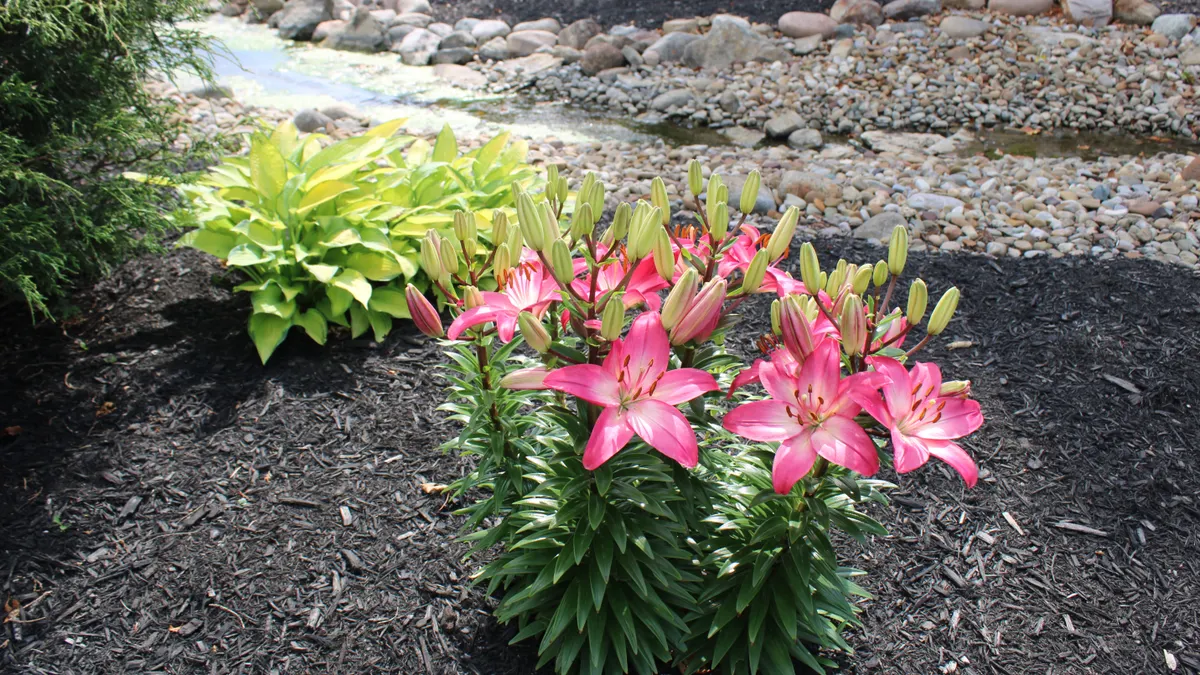
- Colored mulch is usually shredded wood or bark coated with dye, often black, red, or brown, so color lasts longer than plain mulch.
- In vegetable gardens, colored mulch is best treated as a cautious exception, not the default.
- Kids and pets are better protected when dyed mulch stays in low-contact areas, at proper depth, and away from frequent touch zones.
- Dye matters, but wood source, dust, and debris matter too.
What colored mulch is, and what makes it safe or risky
Colored mulch is usually shredded wood or bark coated with a dye, often black, red, or brown, so the color lasts longer than plain mulch. Safety depends on three things: the base material, the dye system, and the quality control behind the product. A bag that says “colored mulch” does not tell you whether the wood came from pallets, construction debris, untreated tree trimmings, or clean landscape waste, so consult a professional or supplier and ask for the source, as Oregon State University Extension advises checking mulch origin for landscape use.
That source matters in a vegetable garden because you are growing food in the same soil. A mulch made from unknown reclaimed wood can carry paint flakes, pressure-treatment residue, metal fragments, or other contaminants that do not belong near tomatoes, lettuce, or herbs, so consult a professional or supplier before using it in edible beds. The dye itself is usually less of a concern than what was dyed. Still, any colored mulch can shed pigment when wet, especially during the first few rains, and that runoff is not something I would want splashed into a raised bed full of edible crops.
For play areas and pet areas, the question changes a little. The main worry is not food safety but contact and ingestion. A child or dog that mouths a few chips is far less likely to get into trouble from a small accidental taste than from repeated chewing, but no mulch is meant to be a snack. If the product smells strongly of chemicals, looks overly dusty, or has splinters and sharp shards, it is a poor choice for a kid zone or a run where pets lie down for long periods.
A simple rule works well: colored mulch is most comfortable in ornamental beds, around shrubs, and along paths; it is more questionable in any area where food is grown, little hands dig, or pets spend hours on the ground. For coverage basics, the hub on mulch coverage and buying formats is the better place to sort out how much material you need.
Can you use colored mulch in a vegetable garden?
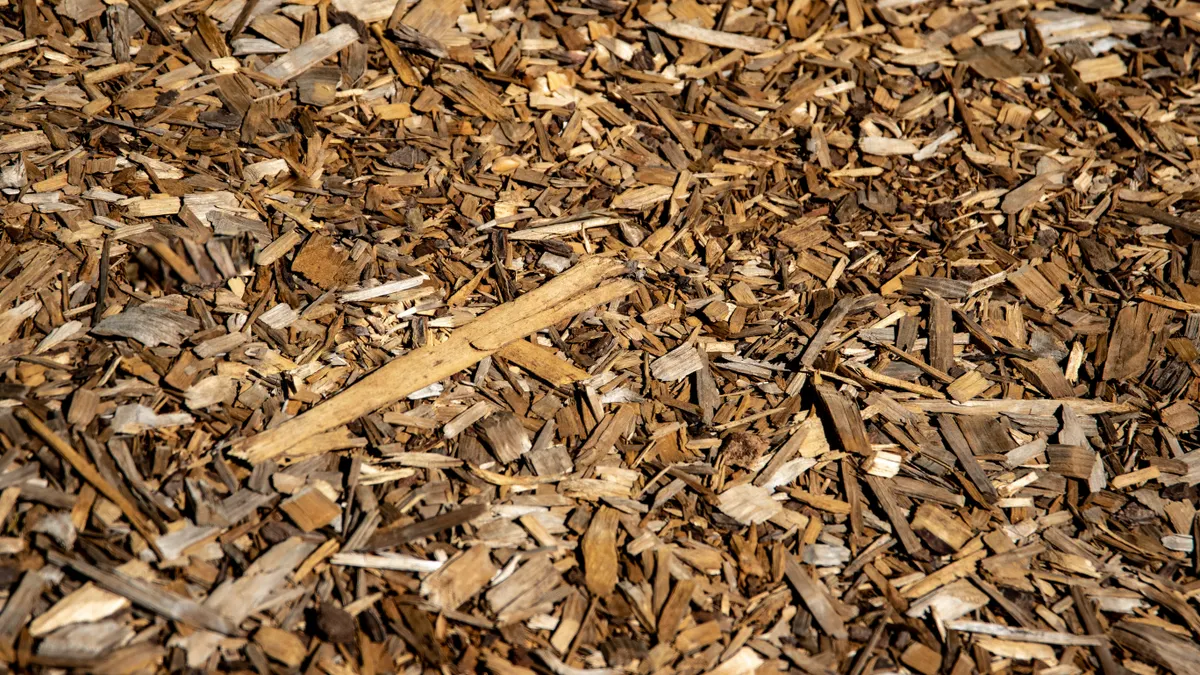
Colored mulch can be used in a vegetable garden only if you are willing to treat it as a limited, carefully chosen material rather than a default one. For most home gardeners, I would pick plain, uncomposted wood chips, straw, shredded leaves, or other known organic mulches before colored mulch. The reason is simple: vegetable beds demand the cleanest material you can get, because the mulch is in constant contact with soil and irrigation.
If you still want the look of colored mulch, use it only where the crop is not eaten directly from the soil splash zone. A 2- to 3-inch layer in pathways between beds is one thing; spreading the same product around carrots or salad greens is another. Leafy crops sit close to the ground, and anything that leaches or blows onto leaves becomes part of the harvest handling problem, even if the risk is low.
The label is the first filter. Look for wording that suggests untreated wood, no construction waste, and no added weed killer, but consult a professional or supplier if the label is vague. If the bag gives no clue about source wood, I would skip it for edible beds. A professional landscape supplier should be able to say whether the product is made from bark, ground pallets, utility wood, or mixed urban wood waste. “Urban wood” can be fine in some cases, but for vegetables I would want more detail than that.
This is also a spacing issue. Keep any dyed mulch a few inches away from stems and crowns so the mulch is not touching the plant base. In a vegetable bed, that gap helps reduce stem rot and makes it less likely that chips are dragged onto produce during watering or harvest. For tomatoes and peppers, a 2- to 4-inch buffer around the main stem is a practical habit. Around low crops like strawberries, I would be more conservative and favor a cleaner, plain mulch.
If your goal is soil improvement as much as weed control, remember that dyed mulch is usually a surface layer, not a soil amendment. It breaks down like other wood mulch, but it does not replace compost. For edible beds, I would rather use a plain mulch that I feel good about mixing into the bed later than a colored one I may regret once I start harvesting.
How to place colored mulch so kids and pets stay out of trouble
Colored mulch is safer around kids and pets when it stays in the right zone, at the right depth, and away from surfaces that get touched constantly. The practical setup is to keep dyed mulch in ornamental borders, not in play surfaces, pet lounging spots, or bare ground where toddlers crawl or dogs roll.
Use this order when you are placing it:
- Pick the location first. Choose an ornamental bed, fence line, or path edge rather than a vegetable plot or sandbox. The result should be a spot where the mulch will not be handled every day.
- Start with 2 to 3 inches of depth. That is enough to suppress weeds and hold moisture without building a deep, unstable layer. Thicker piles can hide toys, attract digging, and hold too much moisture near stems.
- Keep it 3 to 6 inches away from trunks, stems, and bed edges. The gap helps prevent rot and keeps loose chips from being kicked into walkways or eating areas.
- Rake out splinters and fines before and after spreading. Fine dust is the part most likely to cling to paws, shoes, and damp hands.
- Water it lightly after spreading. A gentle soak helps settle loose pigment and chips so less material moves into the house or onto patios.
That last step matters with colored mulch. Fresh mulch can transfer dye to hands, paw pads, and concrete if it is left loose and dry. After a rain or light watering, the surface tends to settle. If the color rubs off heavily on your hands the next day, that is a sign the product is dusty or lightly finished, and I would not use it near a play area.
For pet areas, think about chewing and digging. A dog that likes to excavate can scatter mulch in a day, and a puppy may try to swallow chips. In those zones, a more stable surface usually makes more sense than dyed mulch. In kid spaces, the concern is less about a brief touch and more about what happens when the mulch is packed into pockets, buckets, and mouths. A 3-year-old treats any loose material like a toy.
What the dye concerns really are
The dye concern is real, but it is often less dramatic than people fear, and the real-world risk depends on the product and setting. Most commercial colored mulches use colorants designed to bind to wood fibers, so the pigment is not meant to behave like loose paint. The practical problem is that not every product is made from the same feedstock, and not every supplier is equally careful.
A good colored mulch should have a stable color, little loose dust, and no strong solvent smell. If the pile leaves heavy black or red residue on a white paper towel after a quick rub, that is a bad sign for a kids’ area or a porch border. If the mulch looks as though it was made from mixed demolition scrap rather than clean wood, I would pass. The source issue is often more important than the colorant itself.
There is also a gardening trade-off. Colored mulch can look neat for a long time, which is why people like it, but the color treatment can make it harder to judge decomposition. Plain wood chips turn silver-gray as they age; dyed mulch can keep looking “finished” while the wood underneath is already breaking down. That can make it easier to ignore thinning spots. In a vegetable garden, that matters because you want to see when mulch is compacting, matting, or creeping too close to stems.
If you are buying for a home with kids or pets, ask one direct question before you unload the bags: what is the wood source? If the answer is vague, that is enough to walk away. Clean bark or clean wood chips are a better sign than a product that only advertises color. If the supplier cannot tell you whether the mulch is from untreated wood, then the product is not a good candidate for edible beds or heavily used family spaces.
For a reader balancing appearance and safety, the honest answer is that colored mulch is not automatically unsafe. It is just less forgiving than an ordinary mulch when the site is a vegetable garden, a play area, or a pet hangout.
Common mistakes that make colored mulch a bad choice
Colored mulch becomes a poor choice when people use it for the wrong job, not because color itself is toxic by definition. The most common mistake is buying by appearance alone. A bag that looks rich and uniform can still contain unknown recycled wood. In a vegetable garden, that can mean unnecessary contamination risk; around pets or kids, it can mean splinters, dust, or residue where you do not want it.
Another mistake is laying it too deep. Four to 6 inches may sound like better weed control, but for most home beds that is excessive. Deep mulch holds water, slows drying, and can create a soft, rotting layer near plant crowns. In a play area, that same depth makes a loose, unstable surface that gets kicked, thrown, and tracked inside.
People also place dyed mulch right against stems and trunks. That costs you plant health, not just looks. Moisture trapped at the base of a tomato, hydrangea, or young tree can encourage rot and invite pests. The fix is easy: leave a visible gap and keep mulch level, not heaped.
A third mistake is using colored mulch where contact is constant. A dog run, sandbox border, or toddler play zone is not the place for a product that can shed pigment or splinter. If the surface needs to be touched, sat on, rolled in, or mouthed, I would choose a different ground cover. Even if the mulch is technically safe, the cleanup burden alone makes it a bad fit.
There is also the false-security problem. Some gardeners see dyed mulch as “processed” and assume that means cleaner. Sometimes it does; sometimes it just means the product was colored before bagging. Ask for a product description that names the feedstock and, if possible, a material standard or supplier specification. If the product is vague, the safest move is to use it in ornamental beds only.
The safest way to choose colored mulch for family spaces
Colored mulch is safest in family spaces when you choose a clean product, place it where contact is low, and keep it out of food beds unless the supplier can clearly document the source. That is the short version, and it should guide the purchase.
First, read the bag or product sheet for the base material. Clean bark, clean wood chips, or a clearly described mulch source is what you want. Mixed waste wood, demolition wood, and anything with an unclear origin is a hard no for vegetables and a caution flag for children’s areas. Second, look for a low-dust product. Fine particles travel, stain, and get inhaled more easily than larger chips.
Third, decide where the mulch will live. If the answer is a shrub border or decorative island bed, colored mulch can be a perfectly reasonable choice. If the answer is a raised bed with lettuce, a sandbox edge, or the place where the dog naps at noon, I would choose something else. A 2- to 3-inch layer in an ornamental bed is a common, manageable amount; a deep mound in a family play space is not.
Finally, accept the trade-off. Colored mulch buys a tidy look and slower color fade, but it asks more of you in source checking. Plain mulch is less fussy and usually easier to justify around vegetables, children, and pets. That does not make colored mulch “bad.” It makes it a product that belongs in the right setting.
If you want one bottom-line answer, here it is: colored mulch is acceptable around kids and pets when it is a clean product used in ornamental areas, but I would not make it the default for vegetable gardens. That is the judgment I would use if the safety question is the reason you are hesitating.
Can I use colored mulch in a vegetable garden?
You can, but I would treat it as a cautious exception rather than the best default. If the product source is clearly known and the mulch stays a few inches from stems, it can work in pathways or around certain crops. For edible beds, plain organic mulch is usually the cleaner choice because it reduces questions about source wood and dye residue.
Is dyed mulch safe for pets?
Dyed mulch is usually acceptable around pets when it is clean, settled, and kept out of chew-heavy or dig-heavy areas. The main risks are splinters, dust, and ingestion, not the color alone. If a dog likes to chew, dig, or lie in the mulch for long stretches, I would choose a different surface or keep the dyed mulch out of that zone.
Drafted with AI; not yet reviewed by a person.
Leave a Reply