Last updated: October 30, 2026
Key Takeaways
- Keep stored mulch usable by blocking rain and letting moisture escape.
- Cover the top of leftover mulch; do not seal the whole pile.
- Store mulch loosely on a raised base so it does not pack down.
- Keep bagged mulch intact, off the floor, and out of direct sun for 1 to 3 months.
Leftover mulch stores best when it stays dry, off the ground, and loose enough to breathe. Put it on a pallet, cover the top with a tarpaulin, leave the sides open for airflow, and keep bagged mulch in a dry shed or under a roof where water cannot pool.
Store leftover mulch the right way from the start
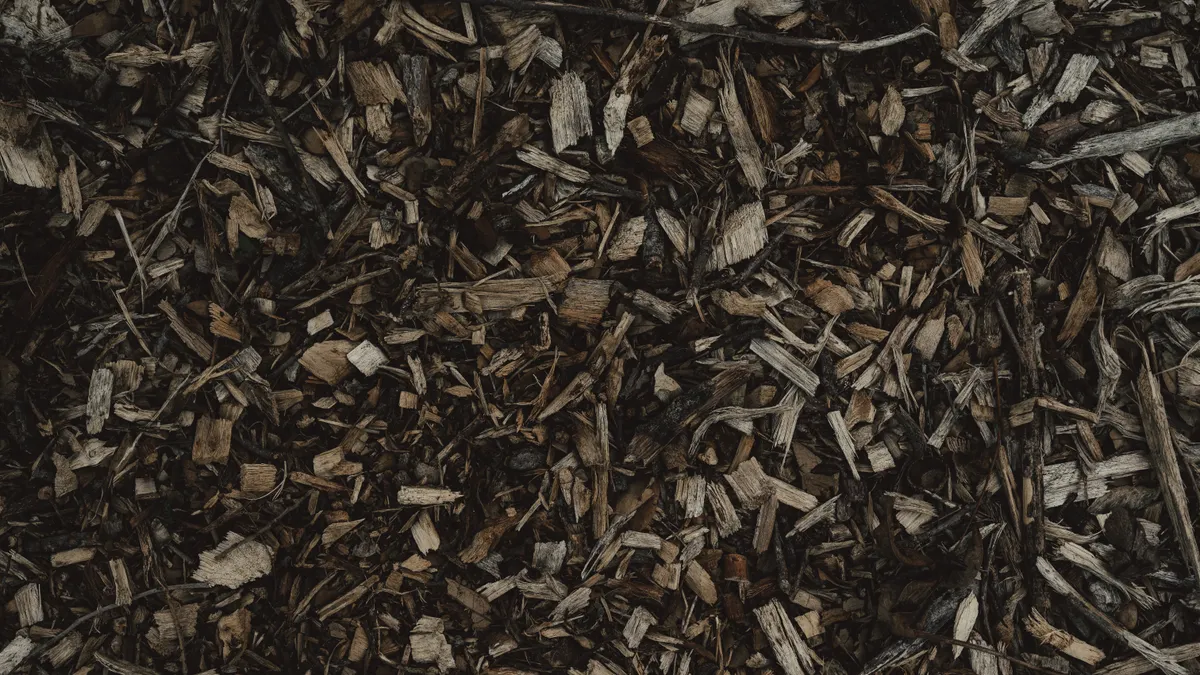
Stored mulch stays usable when you keep rain out without trapping moisture inside. The quickest setup is a pallet or other raised base, a tarp on top, and a location with cover overhead or good drainage. That keeps the bottom from soaking up ground moisture and keeps the pile from turning into a packed block.
The biggest mistake is wrapping mulch like firewood. A tight plastic wrap or sealed plastic bag traps condensation, especially if the mulch still holds a little moisture from the bag, delivery, or a humid day. Once that happens, the pile can heat slightly, clump, and lose the fluffy texture that makes mulch easy to spread.
The right target is simple: dry on top, open at the sides, and supported from below. A shed, a roofed lean-to, or a covered patio works better than bare soil. If you need the mulch to sit outdoors for a while, use the pallet-and-tarp method rather than leaving bags directly on the ground.
For readers comparing buying formats, the bigger buying-and-coverage questions belong on the hub page about mulch coverage and buying formats. This page is only about preserving what is already left over.
How do you keep leftover mulch from getting wet?
You keep leftover mulch from getting wet by covering the top, not sealing the whole pile. Rain usually comes from above, so a tarpaulin stretched over the top and tied down at the edges is more useful than a full wrap that traps moisture inside.
Use the largest tarp you have, with at least a 6-inch overhang on each side if possible. Slope the cover so water runs off instead of pooling. If the tarp sags in the middle, it becomes a water tray. A board, scrap lumber, or even a second pallet laid across the top edge can help create a ridge line.
If the mulch is in bags, keep the bags intact and stack them under a roof or against an inside wall of a shed. A shed is a strong option because it blocks direct rain and slows temperature swings, which helps reduce condensation in closed plastic bag storage. If you do not have a shed, tuck the bags under an eave and keep them off the ground with a pallet or concrete blocks.
One source worth knowing here is the Mulch and Soil Council, which publishes standards and terminology for landscape mulches. It is not a storage guide, but it is a useful reference point for the material itself. For storage, the practical rule matters more than the label: water off, airflow in, ground moisture out.
What is the best way to stop mulch from compacting?
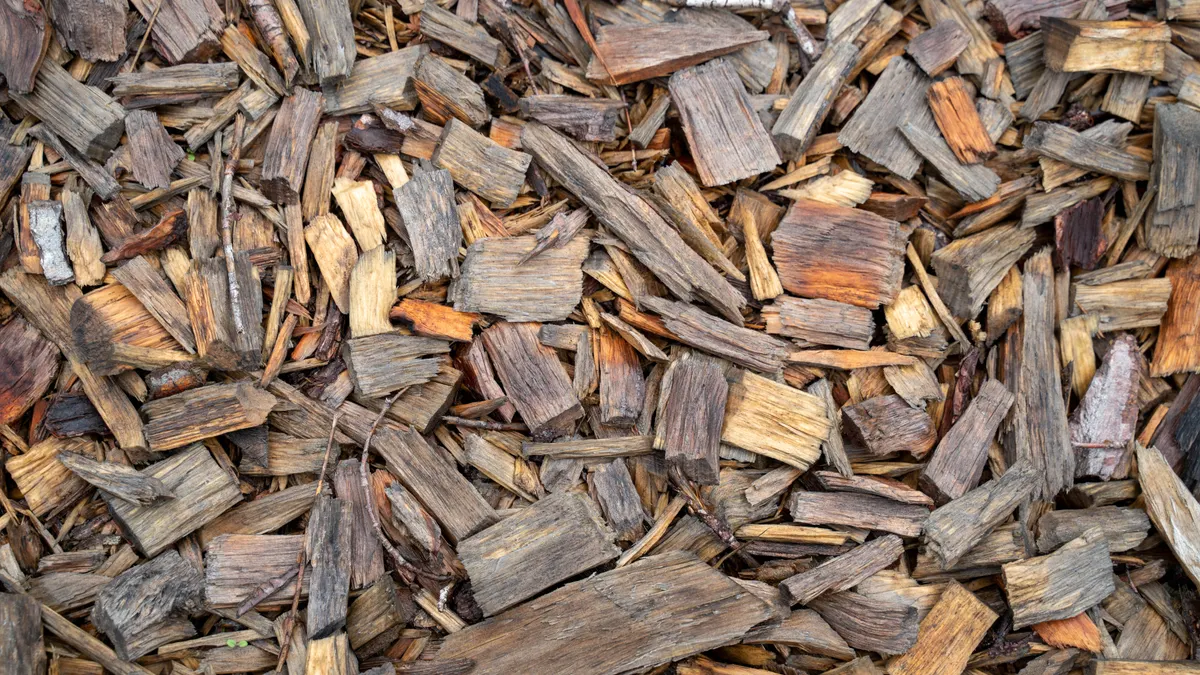
A practical way to stop mulch from compacting is to store it in a shallow, loose pile with support under it instead of pressing it into a tight mound. Pressure from stacked bags, a heavy tarp, or a pile sitting flat on the ground crushes the texture and makes the mulch harder to spread later.
A pallet is the easiest fix. It raises the load a few inches off the ground and reduces direct moisture transfer. If you are storing loose mulch, keep the pile low rather than making one tall cone. A wider, lower pile settles less and is easier to fluff when you are ready to use it.
Airflow matters almost as much as height. When mulch is sealed too tightly, moisture has nowhere to go. That is how a pile turns dense and musty. If you are using a tarp, anchor it so the edges stay open. A tarp should shed rain, not wrap the pile like shrink film.
This is the point where many generic guides miss the real problem: compaction is not just about weight. It is also about trapped moisture and poor air movement. A mulch pile that stays damp for a week can mat together even if no one stepped on it. Keep the stack dry, and it stays lighter.
How to store leftover mulch in bags for 1 to 3 months
Store leftover mulch in bags by keeping the bags intact, off the floor, and out of direct sun for 1 to 3 months. A dry shed is a strong spot because it protects the plastic bag from rain and keeps the mulch away from standing water and temperature swings.
Start by checking each bag for small tears. Patch minor holes with packing tape if you need a short-term fix, but do not rely on tape for long storage outdoors. Set the bags on a pallet, not directly on concrete or soil. Concrete can wick moisture and soil can splash or seep during storms.
Stack the bags no more than 3 or 4 high if they are full and soft. Too much height crushes the lower bags and can split seams over time. Leave a little space around the stack so air can move. If the bags smell sour, feel hot, or have visible condensation on the inside, move them to a drier place and open the stack briefly on a dry day.
Plastic bag storage is useful, but it has a trade-off: it blocks rain well and breathes poorly. That means it is best for short to medium storage, not for leaving mulch sealed in a warm garage for a season. A closed shed beats an open yard, and a pallet beats bare ground every time.
How to store a loose mulch pile with a tarpaulin
Store a loose mulch pile with a tarpaulin by covering only the top and leaving the lower sides open. A tarp that is pulled tight across the top sheds rain well, while open sides let the pile dry instead of sweating under a full wrap.
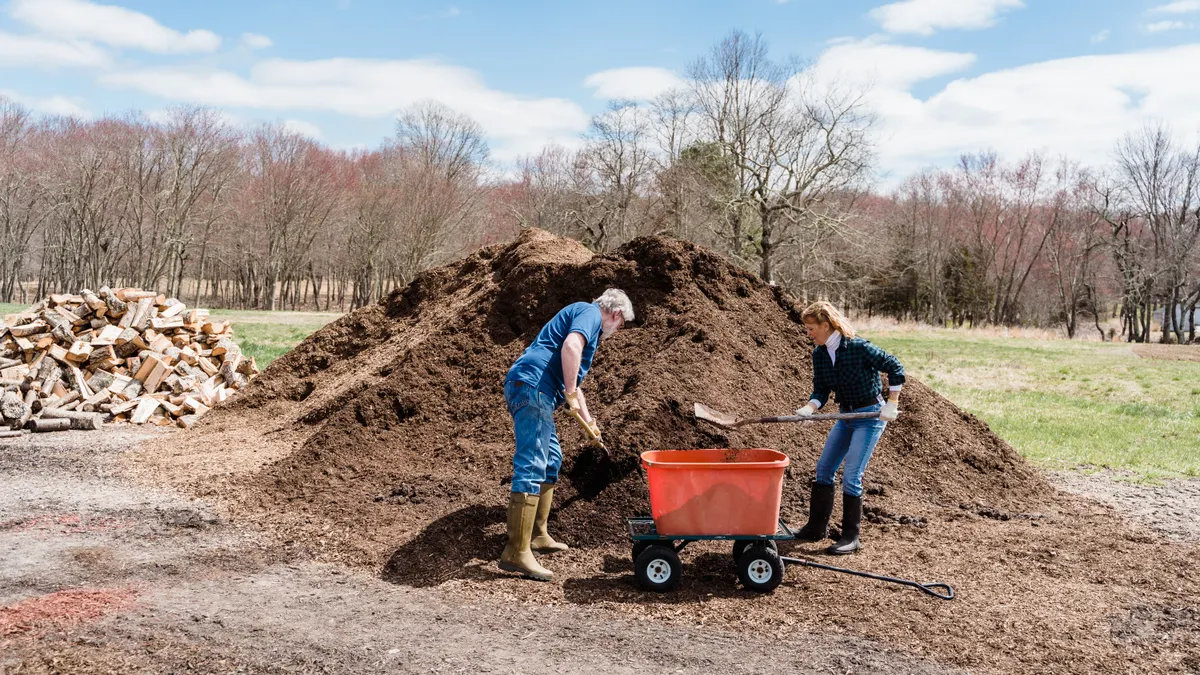
Choose a level spot with drainage, then place the mulch on a pallet, old boards, or another raised base if you have one. Shape the pile into a low mound. Put the tarp over it like a roof, not a cocoon. Tie or weight the edges so wind does not lift it, but do not bury the whole pile in plastic.
If the tarp touches the mulch everywhere, moisture can condense underneath and stay there. A few inches of air gap are useful. If you expect frequent rain, check the cover after each storm. Water that collects in the middle of the tarp will eventually stretch the material and drip into the pile.
This method is better than nothing for a bulk pile, but it is not as clean as shed storage. If you have a dry shed or covered bay, use that first. Use the tarp method when the pile is too large to move or when the shed is full.
Which storage setup works best for long-term storage?
A dry shed with the mulch lifted on a pallet and protected from direct contact with walls or the floor is the strongest long-term storage setup. It gives you the most control over moisture, airflow, and compaction over several months.
For long-term storage, avoid leaving mulch under a tarp for an entire season unless you can inspect it regularly. Outdoor tarps can shift, tear, and hold puddles. Bags can split. Ground moisture can creep up through the base. A shed solves most of those problems at once, especially if the floor is dry and the stack is not pressed against a damp wall.
If your only option is outdoor storage, shorten the storage time as much as possible and use the best cover you can manage. Keep the pile raised, keep the tarp sloped, and keep the sides from sealing shut. A quick check every few weeks is worth it. One trapped leak can wet the lower half of the pile long before you notice from the outside.
This is also where a clear limit matters: if mulch is already wet when stored, long-term holding gets harder. Damp mulch can dry, but only if air can reach it. If the pile feels dense and cool for days, it is not stored well enough for a long hold.
Common mistakes that ruin leftover mulch
The most common mistake is sealing mulch in plastic and leaving it in the sun. That traps heat and moisture, which can compact the pile and leave it smelling stale. A plastic bag is fine for a short time under cover, but it is a poor outdoor storage plan.
A second mistake is putting the pile directly on soil or grass. Ground contact pulls in water and encourages the bottom layer to mat. A pallet, a rack, or even a few straight boards under the pile makes a real difference.
A third mistake is covering the whole stack too tightly with a tarpaulin. People do this to keep every drop of water out, but they end up with a damp, sealed bundle instead of dry mulch. The tarp should block rain from above and still let air move around the sides.
The last mistake is waiting too long to store it. If mulch sits in an open driveway for several wet days, it starts the storage period already compromised. Move it the same day if you can. That single habit does more to preserve texture than any fancy cover.
Can mulch go bad in storage?
Yes, mulch can go bad in storage if it stays wet, compressed, or sealed without airflow. It may not “spoil” like food, but it can become clumped, sour-smelling, moldy-looking, or difficult to spread. That is enough to make it less useful and less pleasant to work with.
The warning signs are simple. A pile that feels warm in the middle, smells sour or earthy in a sharp way, or stays clumped after drying has likely held too much moisture. Light surface fuzz is common on organic material, but heavy growth or a wet, packed core means the storage method failed.
Drying it out can help if the problem is minor. Spread the mulch on a dry surface for a day or two and break up the clumps by hand. If it has turned into a heavy, sour mat, it is usually better for composting or rough fill than for neat landscape beds.
Should mulch be kept covered?
Yes, mulch should be kept covered, but only with a cover that sheds rain and still allows airflow. A tarpaulin over the top is usually better than a full wrap or a sealed plastic bag, because the wrong cover can trap moisture and compact the pile.
Covered does not mean airtight. A shed roof, a tarp roof, or even a simple lean-to works because it keeps rain off without smothering the pile. If the mulch is bagged, the bags themselves are the cover, so the goal becomes keeping the bags dry and off the ground.
The practical rule is this: cover from above, breathe from the sides. That balance keeps leftover mulch usable for weeks or months instead of turning it into a wet, dense lump.
Drafted with AI; not yet reviewed by a person.
Leave a Reply