Hardwood Mulch vs Softwood Mulch vs Bark Mulch
Last updated: November 01, 2026
Key Takeaways
- Hardwood mulch is made from chipped deciduous wood; softwood mulch comes from conifer wood; bark mulch is the bark layer stripped from trees like pine or cedar.
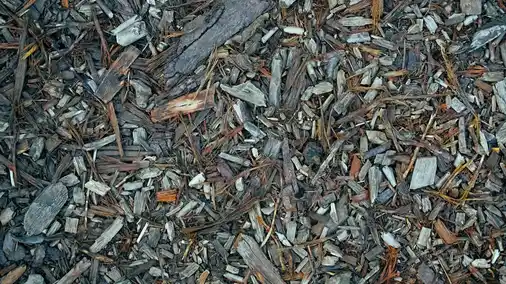
- Hardwood mulch is usually the most uniform, while bark mulch has the most texture.
- Hardwood mulch suits homeowners who want a balanced, clean-looking bed cover without a coarse feel.
- Softwood mulch fits best when easier handling and faster coverage matter more than a polished finish.
Hardwood mulch, softwood mulch, and bark mulch are not the same thing, and the main difference is what the mulch is made from, how fast it breaks down, and how it looks in a bed. This guide answers the question “What’s the Difference Between Hardwood Mulch, Softwood Mulch, and Bark Mulch?” so you can pick the right one without guessing.
Hardwood Mulch, Softwood Mulch, and Bark Mulch: the short answer
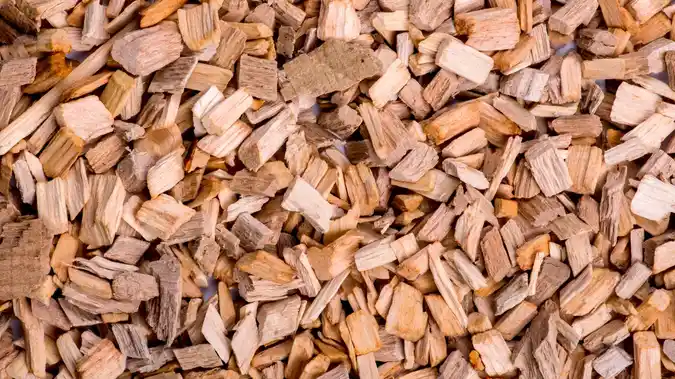
Hardwood mulch is made from chipped deciduous wood, softwood mulch comes from conifer wood, and bark mulch is the bark layer stripped from trees like pine or cedar. The big split is wood fiber vs bark fiber—and that changes texture, color, and how long the mulch stays in place.
If you want the quick verdict, hardwood mulch usually gives the most even, tidy look in beds. Softwood mulch often feels lighter and can break down faster. Bark mulch tends to look chunkier and last longer on the surface, especially when it includes pine bark.
That’s the core difference.
Now the details matter.
Our Top 3 Picks at a Glance
- #1 Best Overall: Hardwood mulch — best for a clean, uniform look in ornamental beds.
- #2 Best Budget Pick: Softwood mulch — best when you want lighter material and broad coverage.
- #3 Best Heavy-Duty / Upgrade Pick: Bark mulch — best when you want a coarser texture and longer surface presence, especially with pine bark products.
| Product / Option | Best For | Core Spec | Standout Feature | Action |
|---|---|---|---|---|
| Hardwood mulch | Neat landscape beds | Deciduous wood chips/fibers | Even, dark, small-to-medium pieces | Choose if you want a refined bed finish |
| Softwood mulch | Fast coverage and lighter handling | Conifer wood chips/fibers | Usually lighter texture | Choose if you want a less dense material |
| Bark mulch | Decorative beds and longer-lasting surface cover | Bark pieces, often pine bark or cedar bark | Coarser look, slower visual change | Choose if you want texture and curb appeal |
What actually changes between these mulch types?
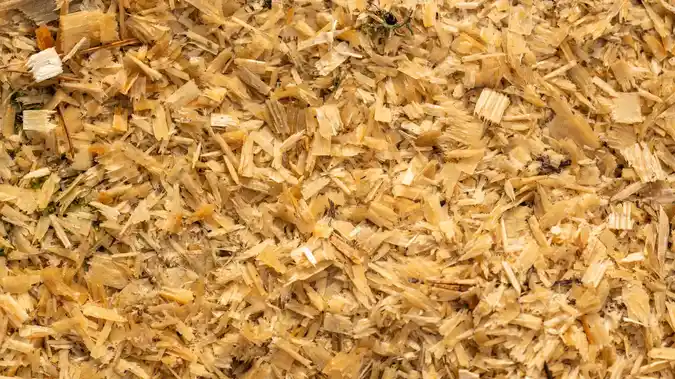
Hardwood mulch wins on uniformity, while bark mulch wins on texture. Softwood mulch sits in the middle and often looks looser because the source material is less dense than many hardwood chips. That difference shows up the minute you spread it.
Picture this: you’re staring at three piles at a garden center, all brown, all sold as “mulch,” but one pile is shredded wood, one is bark, and one is somewhere in between. The source material matters because it changes how the mulch lies, how it settles, and how long it keeps its shape.
Here’s the catch: mulch is not one thing, even when the color is similar. Two bags can both say “brown mulch” and still perform very differently because one is hardwood, one is softwood, and one is bark-based.
- Hardwood mulch = wood from broadleaf trees, often chipped or shredded.
- Softwood mulch = wood from cone-bearing trees such as pine or fir.
- Bark mulch = the outer bark, often from pine bark or cedar bark.
- Wood chips = larger, chunkier pieces; they can be hardwood or softwood.
- Cypress mulch = a softwood-type mulch often sold for its look and smell, but it still behaves like a wood mulch, not a bark mulch.
The material source is the real label.
Not the color.
Hardwood mulch: who it fits, and who should skip it
Hardwood mulch fits homeowners who want a balanced, clean-looking bed cover without a coarse feel. It usually reads as more polished than rough wood chips, which is why it shows up so often in front yards and foundation beds.
Because it looks orderly from a distance of 20 feet, hardwood mulch works well by walkways and around foundation plantings. It keeps a bed looking deliberate, not shaggy.
It also has a practical upside: hardwood chips tend to be dense enough to stay put better than very light mulch in normal garden use. The trade-off is that, when hardwood mulch breaks down, it can compact and thin out, so you may need to top it off sooner if you want the same finished look.
Pros
- Gives beds a neat, uniform appearance.
- Often sits flatter than very airy bark blends.
- Works well around shrubs, borders, and foundation plantings.
- Usually feels less coarse than straight wood chips.
Cons
- Can lose its clean look as it ages and breaks down.
- May compact more than bark mulch.
- May not be the best choice if you want a highly textured surface.
- Darkening and weathering can make it look tired sooner.
Who Should Skip This: people who want a rougher, longer-lasting surface texture are usually better off with bark mulch or pine bark.
Buy this if: you want a tidy landscape bed and don’t mind refreshing the surface when it thins.
Skip this if: you’re after a chunkier decorative finish that keeps its bark look longer.
Softwood mulch: the lighter, looser option
Softwood mulch fits when handling and fast coverage matter more than a formal, polished finish. It is usually made from conifer wood, so it can feel lighter and more fibrous than hardwood mulch.
You may notice the difference right away on large jobs. Softwood mulch can be easier to move because the pieces are often less dense, and that makes spreading simpler over broad areas.
The downside is that softwood mulch often looks less crisp, especially if the pieces are shredded rather than chipped. It can also break down more quickly than bark-heavy mulch, which means the surface may need attention sooner. If you want a formal front-yard look, softwood is usually not the first pick.
Pros
- Lighter and easier to spread.
- Good for large areas where handling matters.
- Can create decent coverage without a heavy feel.
- Often a practical choice for general mulch use.
Cons
- Often looks less finished than hardwood mulch.
- Can break down faster than bark mulch.
- May blow or shift more if the pieces are very fine.
- Not the strongest choice for a premium decorative look.
Who Should Skip This: if your priority is long-lasting visual structure, bark mulch is the better match.
Buy this if: you want a lighter mulch for broad coverage and easy spreading.
Skip this if: you need a crisp, decorative finish that holds its shape longer.
Bark mulch: why it looks different from wood mulch
Bark mulch fits when the look of the surface matters as much as basic coverage. Unlike hardwood or softwood mulch, bark mulch is the outer covering of the tree, so it has a chunkier texture and a more obviously decorative feel.
If you want a landscape bed that looks finished from day one and still looks like bark six months later, bark mulch has the edge. Pieces of pine bark are especially common because they stack visually well and create a rough, natural surface.
The trade-off is that bark mulch is not always even in size. Pieces vary more than many hardwood mulches, so the surface can look rustic. In some beds that is a feature. In a very formal landscape, it can look a little too coarse.
Pros
- Strong decorative texture.
- Often keeps its bark look longer on the surface.
- Good match for shrubs, trees, and naturalistic plantings.
- Pine bark especially has a classic landscape look.
Cons
- Less uniform than many hardwood mulch products.
- Coarse texture may not fit formal beds.
- Large bark pieces can leave gaps if the bed is very smooth.
- May not be the best fit where you want a flat, understated finish.
Who Should Skip This: if you want a smooth, even mulch surface, hardwood mulch usually fits better.
Buy this if: you want a textured, bark-forward look that feels natural.
Skip this if: your design calls for a neat, even surface without visible chunks.
The honest side-by-side
Hardwood mulch wins for appearance in formal beds. Bark mulch wins for texture and staying power. Softwood mulch wins when you care about lighter handling and broad coverage, not the most polished look.
You may be choosing for one yard, not a theory. The right pick changes with the space. A front walk border and a wooded backyard bed do not need the same mulch, even if both are “landscape mulch.”
| Criteria | Hardwood Mulch | Softwood Mulch | Winner for this condition |
|---|---|---|---|
| Visual finish | More even and tidy | More fibrous and loose | Hardwood for formal beds |
| Surface texture | Moderate | Light to moderate | Bark for rough natural look |
| Breakdown rate | Moderate | Often faster than bark | Bark for longer visual life |
| Ease of spreading | Fairly easy | Usually easiest | Softwood for large areas |
| Fit around shrubs | Strong | Strong | Hardwood for neat rings |
| Decorative impact | Good | Modest | Bark for curb appeal |
| Familiarity in stores | Very common | Common | Tie |
| Works in naturalistic beds | Good | Good | Bark for woodland style |
| Looks like “mulch” to most buyers | Yes | Yes | Tie |
The truth is, the “best” type depends on what bothers you most: rough texture, quick thinning, or a too-formal look. If you hate seeing gaps, bark mulch is a safe visual bet. If you hate a shaggy look, hardwood is the cleaner answer.
When the choice flips
Hardwood mulch is not the right answer in every yard, and bark mulch is not automatically better just because it lasts longer on the surface. The decision flips in a few common cases.
If you have a slope, a windy site, a woodland edge, or a bed full of mature shrubs, the mulch that looks best on paper may not be the one that behaves best on the ground.
- If you need a tidy front-yard finish, hardwood often beats softwood and bark because it looks more uniform.
- If you need easy spreading over a large area, softwood can win because the lighter material is less tiring to handle.
- If you want a rustic, bark-forward look, bark mulch or pine bark is the better fit.
- If you are seeing wood chips in the pile and expected fine mulch, pause—wood chips are a different texture and can look much rougher than shredded mulch.
Before buying, check the U.S. Department of Agriculture’s Natural Resources Conservation Service and the University of Florida IFAS Extension. Both publish material on mulch use and soil cover, and both are useful for comparing material types.
This page belongs in the broader mulch types and uses hub, where the next step is matching mulch to bed type, trees, or paths without mixing up material and buying format.
The verdict: which one to choose and why
Choose hardwood mulch if you want the cleanest all-around look for ornamental beds and you care more about a finished appearance than a coarse texture. Choose bark mulch if you want a longer-lasting surface look and a more natural, chunkier finish. Neither if you need a mulch that is really a path surface or a heavy-duty erosion fix.
Hardwood is the better default for most tidy residential beds. Bark mulch is the better pick when texture is the point. Softwood mulch is the middle ground, and it makes sense only when lighter handling and broad coverage matter more than the most polished finish.
Frequently asked questions
Is hardwood mulch better than bark mulch?
Hardwood mulch is better for a smooth, even look, while bark mulch is better for a coarser, more natural finish. If you want the bed to look neat from the street, hardwood usually wins. If you want texture and longer visual presence, bark mulch is usually the better fit.
Does softwood mulch break down faster?
Softwood mulch often breaks down faster than bark mulch, especially when it is shredded or very fine. That means it may thin out sooner and need topping up earlier. It can still be a smart choice for large areas where easy spreading matters more than long surface life.
Which mulch lasts longest?
Bark mulch usually lasts longest in appearance because the bark pieces hold their shape better than many wood-based mulches. That does not mean it never breaks down, but it often keeps its surface texture longer than hardwood or softwood mulch. Pine bark is a common example of that longer-lasting bark look.
Drafted with AI; not yet reviewed by a person.
Leave a Reply