
Last updated: October 31, 2026
Key Takeaways
- Book mulch delivery for a 4- to 8-hour spread window, not an open-ended week.
- Pick a day with one dry stretch and no driveway conflicts.
- Use a 24- to 48-hour weather window and avoid delivery before likely soaking rain.
- Place the pile so the truck unloads once and a wheelbarrow can reach the beds easily.
- Schedule mulch delivery around your actual work window
- What is the best day to have mulch delivered?
- How do I plan the weather window for mulch delivery?
- Where should the pile go so it does not block the job?
- What should I tell the supplier before delivery?
- Use this simple delivery timeline
- Common scheduling mistakes that cost time
- How to decide between same-day and next-day delivery
Mulch delivery should land the day before you can spread it, or the same morning if you already have your wheelbarrow, tarps, and crew ready. For How to Schedule Mulch Delivery So It Arrives When You Can Spread It, the core answer is simple: match the drop to a 4- to 8-hour work window so the pile stays on the driveway for the shortest practical time. The goal is to keep the pile on the driveway for the shortest practical time, then move it into place before weather, traffic, or heat turns the job into a mess.
Schedule mulch delivery around your actual work window
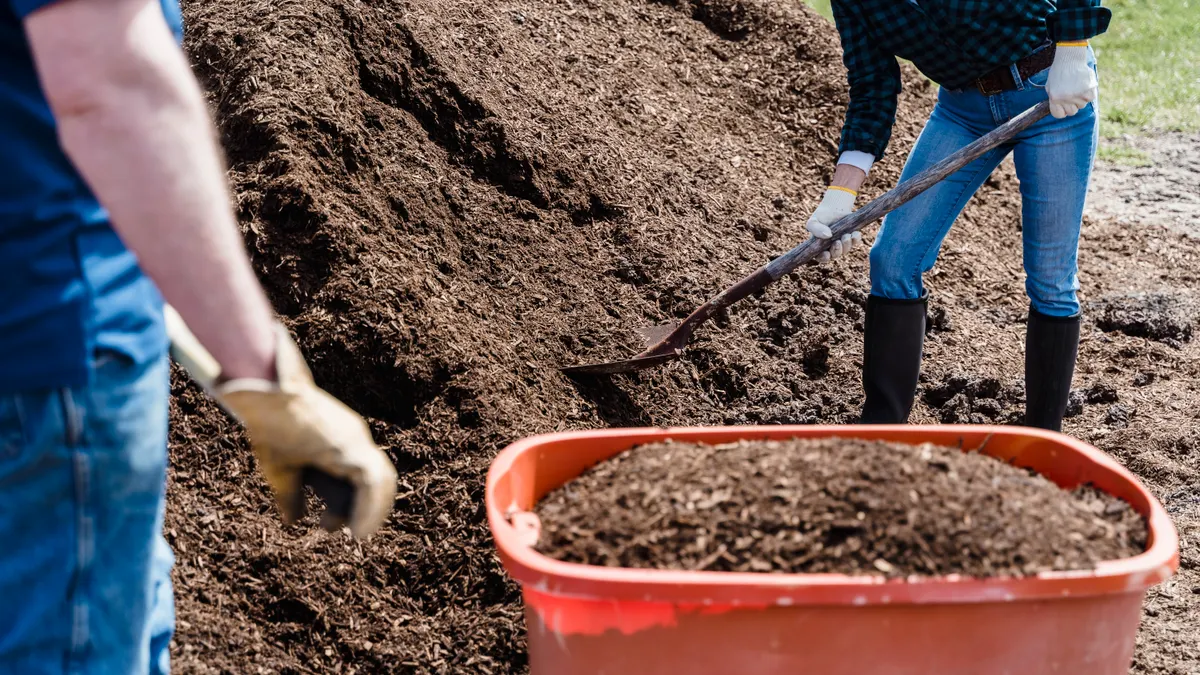
Schedule mulch delivery for a 4- to 8-hour spreading window, not for a vague “this week” slot. That is the simplest way to avoid a pile sitting on the driveway for two days while everyone waits for the right free afternoon. If the landscape project is small and you are doing the work yourself, a morning drop often gives enough daylight to finish before dinner. For larger beds, a delivery that lands late the day before can still work if you have tarps and a dry forecast.
The timing should start with the moment you can physically begin spreading. If edging, weeding, trimming, or fresh bed prep still needs to happen, mulch should not arrive until those tasks are done or nearly done. A truckload sitting in the way can block a driveway, crowd a garage, and make it harder to complete the last prep steps. If you are hiring labor, schedule the delivery to match when the crew is on site, not when the material is cheapest or most convenient for the yard.
A good rule is simple: arrange the drop after the bed prep is finished, but before the longest dry window you have. That way the pile is available when you are ready, and you are not paying people to stand around waiting for a truck. This is especially important for jobs that depend on several hands, a wheelbarrow, or a blower for cleanup.
For a broader planning view, the hub on mulch purchasing and delivery logistics can help you coordinate the rest of the order without turning this into a pricing exercise.
What is the best day to have mulch delivered?
A practical answer is the day that gives you one clear stretch of dry time and no competing use for the driveway. A weekday can be better than a weekend if your crew, helper, or contractor is available then and the truck can get in and out without blocking family cars. If the forecast shows rain within 24 hours, pick a different day unless you have a covered place to stage the pile, a tarp ready to secure it, and, if needed, advice from a local landscape professional.
Think in terms of access, not just convenience. A delivery on Tuesday morning is a bad choice if trash pickup, school drop-off, or a service truck will need the same driveway by 9:00 a.m. A Thursday afternoon drop may be ideal if the beds are already prepped and you plan to spread for 2 hours after work and another 2 hours the next morning. The point is to choose a slot that protects your driveway and your schedule at the same time.
If your property has tight access, a steep driveway, or an awkward turning radius, give yourself a larger timing cushion. A truck can arrive on time and still be delayed by a narrow entrance, low branch, or parked car. In that case, it is smarter to schedule the drop for a day when you have the whole yard available and nobody needs the driveway for several hours. That extra space reduces the chance of a rushed unload or a pile dropped in the wrong spot.
How do I plan the weather window for mulch delivery?

Plan for a 24- to 48-hour weather window, and do not schedule a delivery when a soaking rain is likely before you can spread the pile. Light drizzle is annoying; heavy rain can make the pile heavier, clumpier, and harder to move with a wheelbarrow. It can also muddy the driveway and track material into the house if you are walking in and out all day.
The forecast to look for is a dry stretch that covers both the drop and the first spread session. If the yard is already prepped, a same-day delivery with a dry afternoon is ideal. If the delivery has to come the day before, make sure you have tarps on hand and a plan to keep the pile off the wet ground. A standard heavy-duty tarp works better than a sheet of plastic because it is easier to anchor at the edges, especially if wind is in the forecast. For weather guidance, check the National Weather Service at https://www.weather.gov/.
Sun matters too. In hot weather, an uncovered pile can dry out on top and stay damp underneath, which makes the pile uneven to shovel. In cool, humid weather, you may not notice the difference right away, but you still lose the advantage of clean, easy handling. If the weather is unstable, move the delivery closer to the spreading time rather than farther away.
A practical way to judge the window is to ask: “Can I start within 12 hours of the truck arriving?” If the answer is no, the timing is probably too loose. That does not mean every order needs a same-day plan, only that long delays between delivery and spreading create more cleanup and less control.
Where should the pile go so it does not block the job?
Put the pile where a truck can unload in one move and where a wheelbarrow can reach the beds without crossing obstacles. The ideal spot is a flat section of driveway close to the work area, with enough room to open car doors and enough clearance for the truck to back in or pull through. If the driver has to improvise, the load may end up farther from the beds than you want.
A good staging spot has three things: short hauling distance, firm ground, and no drainage trouble. Avoid low spots that turn wet after rain, because a soggy pile is harder to move and can leave muddy tracks. Avoid placing the pile where it will pin you behind a car or force you to move vehicles before you can start. If the driveway is the only viable landing area, clear that area before the truck arrives so the driver has no reason to stop short or shift the drop.
This is also where tarps matter. Lay down a tarp if the driver agrees and if the pile may sit for even a few hours. A tarp can keep the bottom edge cleaner and can make cleanup faster when the job is done. It is not a substitute for good timing, but it does reduce the mess if the delivery comes early or the spreading takes longer than expected.
Do not put the pile directly in front of garage doors unless you are certain you will not need the garage until the job is over. That sounds obvious, but it is the kind of mistake that turns a one-day landscape project into a two-day inconvenience.
What should I tell the supplier before delivery?
Tell the supplier exactly when you can receive the truck, where it should dump, and what might block access. A short call or order note can save a lot of back-and-forth. Give a delivery window with a start time, such as “after 8:00 a.m.” or “before 2:00 p.m.,” instead of “anytime Tuesday.” If the site is tight, say so plainly and mention gates, low branches, steep driveways, parked cars, or street parking limits.
Use concrete directions. “Please place the pile on the left side of the driveway, 15 feet from the garage” is far better than “put it somewhere near the house.” If you need the truck to avoid a certain surface, say that too. Decorative pavers, soft grass, or a freshly sealed driveway can all affect where the material should go. The supplier cannot guess that detail from the address alone.
If you are coordinating with a crew, let the supplier know who will be on site and how the driver should reach them. A cell number, gate code, or simple note about a front-door sign can prevent a missed drop. That matters on days when several deliveries are happening and the driver is trying to stay on schedule.
A clear instruction set is not fussy; it protects the whole landscape project. It also helps the driver avoid a bad unload that could leave the pile too far from the work zone and force extra wheelbarrow trips.
Use this simple delivery timeline
Use a 3-step timeline: prep first, delivery second, spreading third. That sequence keeps the job organized and reduces the chance that the pile arrives before the space is ready.
-
Finish the bed prep 1 day ahead or earlier. Pull weeds, edge the beds, trim low branches, and clear hoses, toys, and cars. The result is a clean work zone with no tasks that require the driveway to stay empty while the truck is unloading.
-
Confirm the weather and access the morning of delivery. Check the forecast, move vehicles, and make sure the driver has room to reach the drop spot. The result is fewer surprises, especially if rain or another service truck could change the plan.
-
Start spreading within the same day or the next morning. Use a wheelbarrow, rake, and shovel to move the pile while it is still easy to handle. The result is less compaction, less mess, and a faster finish.
-
Stop only after the main beds are covered. If part of the yard will wait until later, shape the remaining pile neatly and cover it if needed. The result is a cleaner driveway and less material scattered by wind or foot traffic.
This sequence works because it keeps the truck, the driveway, and the labor window aligned. It also fits both small residential jobs and larger landscape projects where more than one person is helping.
Common scheduling mistakes that cost time
Scheduling the delivery before the prep is done costs the most time because the pile becomes an obstacle before it becomes a benefit. A driveway blocked by a load of material can slow down edging, trimming, and cleanup. The fix is simple: prepare the site first, then book the truck for the next usable window.
Another common mistake is setting the delivery for a day with no labor lined up. If the spreader, helper, or crew is not available, the pile sits longer than intended and may have to be moved twice. That wastes effort and makes the job feel bigger than it is. If the job depends on two people and a wheelbarrow, schedule delivery for a day when both people can work at the same time.
A third mistake is underestimating access. A narrow driveway, steep slope, or parked vehicle can turn a quick drop into a delay. The cost is not just frustration; it can also mean the pile lands in the wrong spot and adds extra hauling distance. Give the supplier specific instructions and clear the access path before the truck arrives.
A fourth mistake is ignoring the forecast. Rain does not make the job impossible, but it does make the pile harder to move and the driveway messier. If the weather looks uncertain, shift the delivery closer to the spread time or pick a different day. That small change often saves an hour of cleanup.
How to decide between same-day and next-day delivery
Choose same-day delivery when the beds are ready, the forecast is dry, and you can start spreading within a few hours. That is the cleanest option for most small residential jobs because the pile never sits long enough to become an inconvenience. It also works well if you are coordinating with a landscape crew that arrives right after the truck.
Choose next-day delivery when you need evening prep time or when the crew will not be available until morning. A next-day drop can be smarter than forcing a rushed same-day schedule, especially if the driveway needs to stay open for part of the afternoon. The trade-off is that you must protect the pile overnight and accept a little more exposure to weather.
Do not choose next-day delivery if you have no way to keep the pile from getting soaked or if cars must use the driveway early. In that case, the timing is too loose. A better choice is to move the delivery closer to the work window or wait until the schedule opens up. This is the one time when patience saves more effort than speed.
The right choice is not the earliest available slot. It is the slot that lets the truck unload, the material stay manageable, and the landscape project move straight into spreading without a pause.
How far ahead should I order mulch delivery?
Order mulch delivery as soon as you know your work window, then set the drop as close to that window as possible. For a small project, that may mean booking a few days ahead, while larger or busier spring schedules may need more lead time. The key is not the calendar gap but whether the delivery can land within 24 hours of spreading.
Should mulch be delivered before or after prep work?
It should arrive after prep work is finished or nearly finished. Bed edging, weeding, trimming, and clearing obstacles are easier before the pile is in the way. If a small amount of touch-up work remains, keep it limited so the delivery does not sit while you finish tasks that could have been done earlier.
What if it rains after delivery?
If it rains after delivery, cover the pile with a tarp and spread it as soon as conditions allow. Light rain is usually a timing problem, not a disaster, but heavy rain can make the material heavier and messier to move. If the forecast looks unstable, the better move is to reschedule the drop closer to the spreading time.
Drafted with AI; not yet reviewed by a person.
Leave a Reply