
Last updated: November 01, 2026
Quick Answer: Pick compost mulch when a bed needs feeding and topsoil improvement. Go with decorative mulch when the main goal is a finished appearance and longer-lasting surface cover. In most planted beds, a 1- to 2-inch compost topdressing is the practical range. The sections below explain when When to Choose Compost Mulch Instead of Decorative Mulch fits best, what it does to soil, and where each option falls short.
Key Takeaways
- Compost mulch is the better pick for beds that need soil building and a light feeding boost.
- Decorative mulch is the better pick for a clean, finished look and longer-lasting surface cover.
- Compost works best as a topdressing around plants already in the ground.
- Decorative mulch usually does a better job at weed suppression and staying in place.
- Where beds need both soil improvement and a polished look, compost can go down first, then a thin decorative layer on top.
When is compost mulch the better choice?
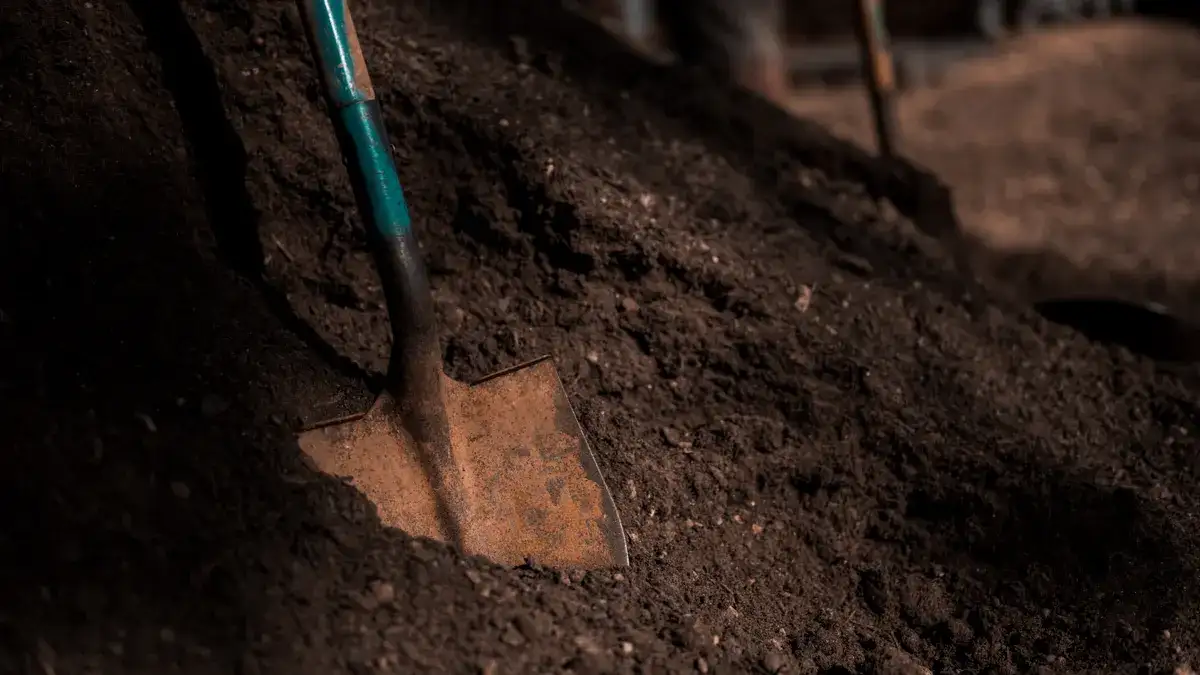
Compost mulch is the better choice when the bed needs soil amendment, not just a cover. Staring at tired garden beds, you can usually feel the difference: the soil is thin, and the plants want a better root zone more than they want a prettier top.
Because compost mulch breaks down faster than bark, wood chips, or stone, it keeps working into the soil instead of sitting on top for a season. So it is useful for garden beds with vegetables, annuals, shrubs, and perennials that benefit from richer topsoil. It also makes sense when the bed already looks decent and the priority is feeding the root zone rather than matching a landscape design.
Use compost mulch when:
- the soil is low in organic matter and needs a boost
- plants are already established and can handle a light topdressing
- you want one material that acts like both a mulch and a soil amendment
- the bed is in a work zone, not a front-yard showpiece
A 1- to 2-inch layer is the usual working range for topdressing in a bed, because thicker layers can hold too much moisture at the crown of plants. If you are unsure whether that depth is right for a specific planting, consult a professional. Compost is a poor fit if you want a crisp black or brown finish that stays uniform for months.
What compost does that decorative mulch does not
Compost feeds the soil as it settles. Decorative mulch mainly shields the surface.
This difference matters in real beds:
- compost helps improve texture over time
- compost can add nutrients in a gentle, broad way
- decorative mulch slows evaporation and weeds better for longer
- decorative mulch holds a neater outline in paths, front beds, and entry zones
If plant health comes first, compost usually wins. If curb appeal comes first, decorative mulch usually wins. This trade-off is plain, and honestly it saves a lot of guesswork.
How does compost mulch compare with decorative mulch at the soil level?
Compost mulch changes the top layer of soil; decorative mulch mostly stays above it. Trying to help roots reach water more evenly after a dry spell? Or trying to make a sandy bed hold together a little better? Compost can handle both jobs.
The real difference is where the material ends up after rain, watering, and time. Compost particles are fine and break down quickly, so they mix into the surface. Decorative mulch—often bark, shredded bark, or wood chips—forms a more stable cover. That stable cover is useful when you want the bed to keep the same look for a long stretch.
Compost is the better surface choice when the bed needs:
- soil amendment from the top down
- help with root-zone structure
- a modest nutrient contribution
- a faster turnaround on weak or tired soil
Decorative mulch is the better surface choice when the bed needs:
- longer-lasting cover
- a stronger visual frame around plants
- less frequent touch-up
- a barrier that stays distinct from the soil beneath it
A common mistake is treating compost like a decorative layer and expecting it to stay fluffy and separate. It will not. Rain and irrigation will flatten it, and that is normal.
A simple rule that saves confusion
Use compost mulch when the question is, “How do I improve this bed?”
Use decorative mulch when the question is, “How do I finish this bed?”
That one line clears up most buying mistakes.
Which beds actually benefit from compost mulch?
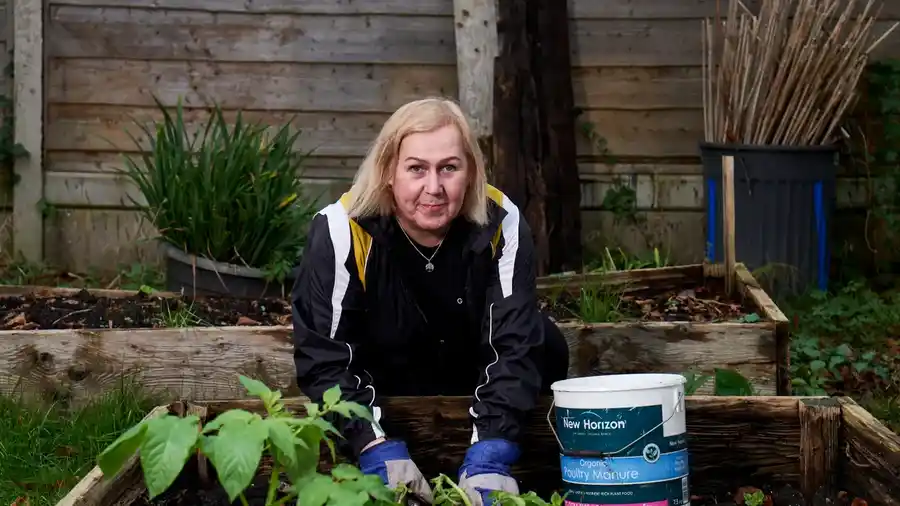
Compost mulch is the strongest choice for garden beds that are planted and hungry, not for beds that are mainly ornamental. A vegetable patch after a growing season is a good example; so are shrubs that have been in the ground for a few years and need a better top layer.
It fits best in beds where the goal is to improve the root zone while still giving the surface a clean enough finish for day-to-day use. A 1- to 2-inch layer is usually enough for topdressing established beds without smothering crowns or creating a soggy mat. On sloped ground, compost can wash more easily than coarser mulch, so it works better in level or gently sloped beds.
Compost mulch makes sense for:
- vegetable beds
- perennial borders
- shrub beds with weak soil
- new plantings that are already in the ground and need feeding
- beds where soil structure matters more than a polished look
It is a weaker choice for:
- front yards where uniform appearance matters
- windy sites where fine material can move around
- high-traffic edges where a tidy edge matters
- areas that need long weed suppression without frequent rework
You can treat compost as a seasonal surface dressing and still keep the bed functional, but if you want it to perform well, it is worth checking the bed with a professional when plant health or drainage is uncertain. It does not need to look like a landscape magazine spread to do its job; in fact, this kind of polished expectation can miss the point.
Two signs compost belongs here
- The soil is thin, crusted, or quick to dry.
- Plants look like they need better growing conditions, not just a fresh border.
If both are true, compost mulch is probably the better fit than a decorative layer that does nothing for the soil.
When decorative mulch is the better call
Decorative mulch is the better call when you need a finished look that lasts and does not blend into the soil fast. If you are shaping a front bed, lining a walkway, or trying to make a planting strip look intentional from the curb, compost can disappear visually too quickly for that job.
This is where decorative mulch earns its place. Shredded bark, bark nuggets, and similar materials hold shape longer, give a darker or more uniform finish, and usually suppress weeds better because they form a more stable cover. They also tend to stay where you put them longer than fine compost, which matters near driveways, sidewalks, and street edges.
Decorative mulch is usually the better choice when:
- appearance is part of the project
- the bed already has decent soil
- you want a cleaner, more finished edge
- weed suppression matters more than feeding the soil
- you do not want the layer to shrink and merge into the bed quickly
It is not the better choice when the soil is the main problem. A decorative layer can hide poor soil for a while, but it will not improve it the way compost can.
The trade-off most people miss
Decorative mulch looks better for longer, but it gives back less to the soil. That is the whole deal.
If the bed only needs a surface cover, that trade-off is fine. If the bed needs feeding, decorative mulch can become a cosmetic fix that leaves the root zone unchanged. That can be a costly mistake in vegetable beds and older perennial plantings.
How to choose in 5 practical steps
Compost mulch is the better choice if your bed needs feeding, while decorative mulch is better if your bed needs a clean finish. Standing in the aisle, or staring at a driveway-full of bags, can make the choice feel slippery. Use this short process and you will stop guessing.
- Check the job first. When the bed needs a soil boost, choose compost. If it needs a polished surface, choose decorative mulch. The job matters more than the label.
- Look at the planting. Established vegetables, perennials, and shrubs usually benefit from a compost topdressing. Front beds and entry beds usually need a decorative finish more than a feeding layer.
- Check the current soil. Thin, tired, or sandy soil points toward compost. Already decent soil points toward decorative mulch.
- Think about maintenance. Compost will settle and need refreshing sooner. Decorative mulch usually keeps its shape longer, so it suits areas you do not want to revisit often.
- Match the sightline. If the bed is seen up close from a porch or street, decorative mulch often looks cleaner. If the bed is behind the house or mainly worked by hand, compost is often the smarter tool.
That five-step check is enough for most garden beds. It keeps you from buying a pretty material for a soil problem, or a soil-building material for a curb-appeal job.
A quick decision line
If you are fixing the bed, choose compost.
If you are finishing the bed, choose decorative mulch.
Common mistakes that waste time or hurt the bed
Compost mulch is easy to misuse because it looks like a simple top layer. Spread it thick, expect it to behave like bark, and then wonder why it got flat, slimy, or swallowed by the soil? That is usually a placement problem, not a compost problem.
The most common mistake is using compost as if it were a long-life surface cover. It is not built for that. A second mistake is putting it too deep around plant crowns, which can trap moisture where stems meet soil. A third is using decorative mulch when the bed really needed improvement underneath.
These mistakes cost you in different ways:
- too much compost can hold too much moisture on the surface
- too little attention to plant crowns can invite rot or weak growth
- the wrong mulch choice can force you to redo the bed later
- a cosmetic layer over poor soil can hide the problem for one season and leave it unresolved
What to do instead:
- keep compost as a topdressing rather than a deep blanket
- leave space around stems and trunks
- use decorative mulch where the bed needs a stable finish
- use compost where the soil itself is part of the problem
A useful rule is to treat compost like a soil helper and decorative mulch like a surface finisher. This split keeps both materials in their proper lane.
If you only remember one warning
Do not buy compost expecting bark behavior. It will feed the bed, fade into it, and lose its clean outline faster than decorative mulch.
Can you use both in the same bed?
Yes, you can use both in the same bed when you want soil improvement and a cleaner finish. If you have a planted bed that needs a little feeding, but the front edge also has to look finished from the street, that is a normal mixed-use problem, not a conflict.
The usual approach is to let compost do the soil work and let decorative mulch do the visual work. Compost can go as a thin amendment layer where roots benefit most, while decorative mulch can cover the visible top to improve appearance and slow weed growth. The exact depth depends on the bed and plant spacing, but the idea stays the same: one layer feeds, the other finishes.
This approach works best when:
- the soil needs improvement
- the site is visible from the house or curb
- you want a layered solution instead of picking one material to do everything
- the bed has established plants that can handle topdressing
It does take more thought. If the decorative layer is too thick, it can keep compost from doing its job at the surface. If the compost layer is too thick, it can look muddy and lose the neat look you wanted.
For a broader look at materials and use cases, the hub on mulch types and materials is the right next stop. You can also compare organic mulch options and best mulch for garden beds before you choose.
Simple rule for mixed beds
Use compost where roots need help.
Use decorative mulch where eyes land first.
What should a beginner choose first?
Compost mulch is the first pick if the bed is healthy-looking but underfed. Decorative mulch is the first pick if the bed is already growing fine and just needs to look finished. If you have one project, one weekend, and no interest in redoing it in a month, start with the job you care about most.
If you are still unsure, ask one question: “Do I want this material to change the soil or change the look?” If the answer is soil, choose compost. If the answer is look, choose decorative mulch. This simple split handles most real garden choices without turning the project into guesswork.
A few final cues help:
- choose compost for beds that need feeding and improvement
- choose decorative mulch for beds that need a neater, longer-lasting surface
- choose both when the bed needs work below and polish above
That is the cleanest way to think about it. Compost solves a soil problem. Decorative mulch solves a finish problem. Different jobs, different tools.
The shortest possible verdict
If the bed needs help growing, choose compost mulch.
If the bed needs help looking finished, choose decorative mulch.
Can compost mulch replace regular mulch?
Compost mulch can stand in for regular mulch in planted beds where soil improvement matters more than a long-lasting surface. It is not a good substitute when you need strong weed suppression, a crisp finished look, or a layer that stays in place for a long time.
Does compost mulch look finished enough for front yards?
Compost can work in front yards if the bed is more about planting health than display, but it flattens and blends into the soil faster. Decorative mulch is usually the better choice when curb appeal is the main goal.
Should compost mulch be covered with another layer?
A thin compost layer can go under decorative mulch when you want soil improvement and a cleaner finish at the same time. Keep the compost layer light so it can still work at the surface, and avoid burying plant crowns under too much material.
Drafted with AI; not yet reviewed by a person.
Leave a Reply