Last updated: November 01, 2026
Quick Answer: for most redo-later beds, 1 loose, organic mulch layer is the safest starting point. How to Choose Temporary Mulch for Redo-Later Beds is about picking the right short-term cover for a bed you plan to redo later, and the main goal is simple: use a material that works now and still comes up cleanly later. The steps below settle what to buy, what to avoid, and how to keep short-term coverage from becoming a future headache.
Key Takeaways
- Temporary mulch should cover soil now without making future work harder.
- Loose organic mulch is usually easiest to remove later because it does not knit together into one sheet.
- Choose a mulch that will not contaminate the soil work you plan to do later.
- Seasonal beds and contractor projects often need a material that looks finished, moves fast, and does not create a cleanup fight.
Our Top 3 Picks at a Glance
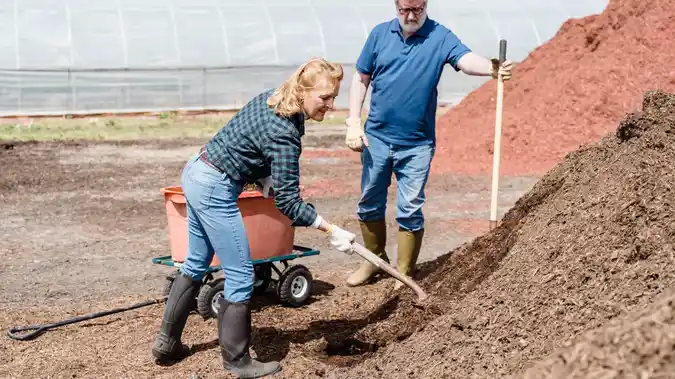
This page is about picking the right short-term cover, not about one brand.
#1 Best Overall: Shredded bark or wood chips for most temporary projects
#2 Best Budget Pick: Straw or shredded leaves for very short coverage
#3 Best Heavy-Duty / Upgrade Pick: A coarse bark mulch that stays put in wind and rain
| Product / Option | Best For | Core Spec | Standout Feature | Action |
|---|---|---|---|---|
| Shredded bark or wood chips | Seasonal beds and contractor projects | Loose, organic pieces with visible gaps | Easy to rake back without fighting a crust | Choose this for most redo-later jobs |
| Straw or shredded leaves | Very short-term coverage | Lightweight, fibrous material | Fast to spread and cheap to source | Use when you only need a temporary placeholder |
| Coarse bark mulch | Windy sites and longer temporary holds | Chunkier bark pieces | Stays in place better than fine mulch | Pick this when the bed must look finished for months |
What “temporary mulch” should do for you
Temporary mulch should cover soil now without making future work harder. If you’re planning future replanting, the right material buys you time, reduces bare-soil mess, and still comes off in pieces rather than as a glued-together mat. That matters in seasonal beds and contractor projects where the finish date is not the final design.
The best temporary cover is usually organic, loose, and easy to lift by hand. It should hold for a few months, not years. A material that starts clean and breaks apart under a rake is a better fit than one that looks tidy but turns into a crust.
- Good signs: visible strands, chips, or flakes
- Bad signs: fine dust, sticky texture, or heavy mats
- Best use case: beds that will be redone after one season
Here’s the catch: “temporary” does not mean “any cheap brown stuff.” A mulch that composts fast can be fine, but only if the bed can wait that long. If the project might be reopened in 6 to 12 months, choose something that still separates when dry. The USDA Natural Resources Conservation Service notes that mulch is often used to protect soil and reduce erosion, and extension guides such as Penn State Extension and the University of Minnesota Extension likewise emphasize matching mulch type to site conditions and future maintenance.
Which mulch is easiest to remove later?

Loose organic mulch is easiest to remove later because it does not knit together into one sheet. That usually means shredded bark, wood chips, straw, or shredded leaves, with coarse bark near the top of the list for projects that need a cleaner finish. The wrong choice is fine-textured mulch that packs down after rain.
A common mistake is choosing the prettiest mulch in the yard section and assuming it will still behave the same after a season. It won’t. Fine, dark mulch can seal over like felt. Once that happens, future replanting takes more digging and more cleanup.
Use this simple rule:
- Pick visible pieces, not dust. Chips and bark flakes are easier to rake than fines.
- Choose lighter weight for short jobs. Straw and shredded leaves move fast and come up fast.
- Avoid mulch that forms a woven layer. That layer slows removal and traps debris.
- Keep the layer modest. A thinner temporary layer is easier to undo than a deep one.
- Match the bed’s exposure. Windy sites need chunkier material; calm sites can use lighter cover.
The truth is, the easiest mulch to remove is often the least impressive looking one on day one. That’s fine. A temporary bed is judged later, when you lift it back off. For example, a 1- to 2-inch layer is easier to reset than a thick, compacted one.
How do I choose mulch for future replanting?
Choose a mulch that will not contaminate the soil work you plan to do later. If the bed will be replanted, you want material that breaks apart cleanly and does not leave large amounts of dye, fabric, or sticky residue behind. A thin layer of wood chips or bark is usually safer than a decorative product built for long display.
Future replanting also changes what “good enough” means. You are not building the last version of the bed. You are trying to keep weeds down and soil covered until the next round of work. That makes removal speed more important than long-term breakdown.
- For beds to be replanted soon: shredded bark, bark fines avoided, or straw
- For a clean look over a season: coarse bark mulch
- For a very short placeholder: shredded leaves or clean straw
- Avoid: rubber mulch, landscape fabric under a mulch layer, and anything that will not compost or lift cleanly
A cheap roll of landscape fabric can look tempting under a temporary mulch layer. It usually creates the opposite of what you want. It catches roots, traps grit, and turns a redo into a pull-and-scrape job. University extension guidance on mulch and soil cover, including resources from Penn State Extension, recommends matching the cover to the job rather than assuming every layer should stay in place long term.
The best choice for seasonal beds and contractor projects
Seasonal beds and contractor projects need a material that looks finished, moves fast, and does not create a cleanup fight. That points to shredded bark, coarse bark mulch, or straw, depending on how long the project will sit. If the bed has to stay presentable for a full season, coarse bark is the steadier pick.
Contractor work often leaves beds half-finished, then reopened later. In that setting, the best choice is usually the material that can be pushed aside by a rake instead of scooped out with a shovel. Bark chips do that better than dense, dyed fines.
A quick selection guide:
- Less than a season: straw or shredded leaves
- One season or more: shredded bark or coarse bark mulch
- Windy or exposed areas: coarse pieces, not fine mulch
- Wet, shady spots: avoid materials that pack into a slick layer
Now, you might be wondering if premium mulch is worth it for a temporary job. Sometimes, yes, but only if the “premium” part means better texture, not just darker color. A high-end product that clumps and locks up is the wrong kind of upgrade.
How to put it down so you can redo the bed later
Lay temporary mulch in a layer that covers the soil without burying the bed under extra work later. For most short-term jobs, that means spreading it evenly, keeping it loose, and stopping before it becomes a dense blanket. A light hand now saves time later.
Before you spread it, clear the surface first. Remove sticks, trash, and any weeds already above the soil so the mulch sits flat. Then spread a loose layer with a rake or your hands to keep the pieces fluffy rather than packed.
Keep the thickness modest. Use enough to shade soil and slow weeds, but not so much that it mats down hard. Leave space around stems and trunks. A few inches of clearance can help reduce rot and make future digging simpler, but local site conditions vary, so consult a landscape professional if the bed includes valuable plants or drainage issues. For beds that may be reopened in a few months, the goal is simple: cover the soil, hold the line on weeds, and make the redo easy.
This is where people go wrong: they try to make a temporary bed look like a finished one. That usually means too much material, too fine a texture, and a later cleanup that takes twice as long. Keep it practical.
Check after the first rain. If the layer crusts or drifts, rake it back into place before it sets. Then, when the season changes, the same loose structure will be easier to lift.
What not to buy for a redo-later project
Skip mulch that is built for permanence, shine, or weed suppression at the cost of easy removal. Rubber mulch is the clearest example. It does not break down like organic material, and it is awkward to remove when the bed changes. Dyed fine mulch is another poor fit when the plan is to rework the area later.
The same warning applies to heavy bark products that settle into a hard layer. They can look tidy in week one and become stubborn in week twelve. If you need a bed to stay flexible, texture matters more than color.
Avoid these choices for temporary coverage:
- Rubber mulch
- Fabric underlayment you plan to leave in place
- Very fine mulch that mats after rain
- Heavy decorative cover chosen only for looks
- Anything that is hard to separate by hand
A temporary project is not the place to spend extra money on a long-life material you’ll dig out later. That is wasted effort. Better to choose something ordinary that behaves the way a redo needs it to behave.
Where temporary mulch fits in a bigger mulch plan
Temporary mulch is the middle step, not the final answer. It works best when you know the bed will change and you need short-term coverage now. For a broader view of material types, the hub on mulch types and materials covers the larger choices that sit behind this decision.
The practical takeaway is simple: pick the texture first, then the appearance, then the price. If the bed will be redone later, the order matters. A lower-cost organic mulch that lifts cleanly is usually the smarter move than a fancier option that fights you during the redo.
Use this final checklist before you buy:
- Is it organic and easy to move?
- Will it still separate after rain?
- Does it fit a short-term timeline, not a permanent one?
- Will future replanting be simpler, not harder?
If the answer is yes to all four, you’ve probably picked well. For more comparison context, see best mulch for vegetable gardens and how to apply mulch correctly.
What is the easiest mulch to remove later?
Loose organic mulch is the easiest to remove later. Shredded bark, coarse wood chips, straw, and shredded leaves usually come up with a rake or fork because they stay separate instead of forming a mat.
Should I use premium mulch for a short-term project?
Premium mulch only makes sense if its texture helps the redo later. A nicer color alone is not enough. For a short-term project, choose the material that spreads cleanly and lifts easily, even if it looks less polished.
Can temporary mulch be reused later?
Sometimes, yes. Coarse bark chips and some shredded bark can be gathered and reused if they stay fairly clean and dry. Straw and shredded leaves are less reliable because they break down faster and collect more debris. For more guidance, the USDA Natural Resources Conservation Service and university extension materials are useful references.
Drafted with AI; not yet reviewed by a person.
Leave a Reply