Last updated: November 01, 2026
Quick Answer: Protect a mulch pile from rain, heat, and wind by putting it on firm, drained ground, covering the top with a tarp, and anchoring the edges before weather hits. A mulch pile gets ruined fast when rain packs it, sun dries the top, and wind scatters the edges. How to Protect a Mulch Pile from Rain, Heat, and Wind comes down to cover, drainage, and airflow. The steps below settle when to tarp, where to place the pile, and what to skip.
Key Takeaways
- A tarp helps most when it sheds rain without sealing the whole pile tight.
- Put the pile on firm, raised ground so water runs away from it.
- Leave a little breathing room under the cover; trapped moisture is the enemy.
- Wind protection matters almost as much as rain protection on open lots.
- Heat control is about shade and airflow, not just throwing a cover on top.
- If a pile sits for long enough to heat, compact, or crust over, the storage setup was too tight.
Protect the mulch pile before the weather does damage

You protect a mulch pile by putting it on drained ground, covering the top with a tarp that sheds rain, and anchoring the edges so wind cannot peel it back. For most short-term jobs, that means a simple setup with a tarp, a few weights, and a spot that is not a low hollow.
Picture this: you have a fresh pile outside and a storm is coming tonight. You do not need a fancy setup; you need drainage, a cover, and ballast before the first heavy rain hits. The goal is to keep the top dry enough to use and the lower edges from turning into a soggy mat.
- Choose a firm, slightly raised spot before the load arrives. Gravel, packed dirt, or pavement works better than grass because water runs off instead of soaking in.
- Set the pile away from downspouts, roof drip lines, and sprinkler spray by at least a few feet. That keeps repeated wetting from hitting the same side every day.
- Spread the pile into a lower mound rather than a steep cone if you can. A flatter top sheds a tarp better and puts less pressure on the center.
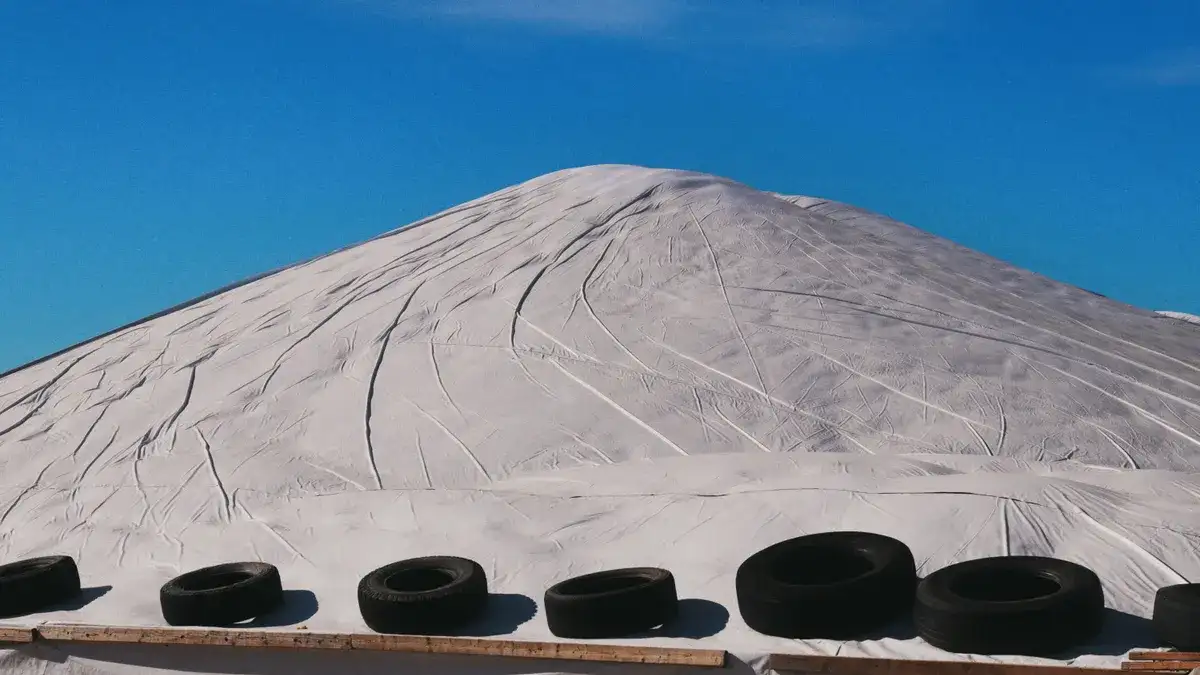
- Place a tarp over the top only, then let the sides hang down far enough to block rain. A cover that reaches the ground can trap moisture if it seals the pile too tightly.
- Anchor the tarp with sandbags, boards, or other heavy objects along the edges. Wind lifts loose corners first, then tears the whole cover open.
- Check the pile after the first storm, then adjust the tarp if water pooled or slid under one edge. A quick fix now beats a full cleanup later.
A common mistake is wrapping the pile like a present. That can look neat, but it traps heat and moisture inside. The pile stays damp under the cover, and the outer layer can start to crust. Use a top cover that blocks rain, not a tight shroud.
The truth is, most damage starts at the edges. One wet corner can wick water inward, and one loose flap can turn into a sail. A few bricks or sandbags are boring tools, but they do the job.
How do you cover a mulch pile without trapping moisture?
You cover a mulch pile with a tarp that sheds water, leaves some airflow at the bottom, and does not press hard against the whole surface. A loose, top-only cover is safer than a sealed wrap because it cuts rain and sun without turning the pile into a damp pocket.
Picture this: the forecast shows sun all week, then a hard rain on Saturday. You want the pile dry, but you also do not want it boxed in for 7 days straight. That balance matters most when the pile will sit through mixed weather.
Use a tarp that is big enough to overhang the top by a fair margin. If the edges barely reach, wind can grab them; if they swallow the whole pile, moisture can get stuck underneath. A weighted edge, not a tight cinch, is the cleaner move.
- Put the tarp over the top before the rain starts.
- Let air reach the lower edges.
- Keep the tarp from touching standing water.
- Re-secure loose corners after wind or heavy rain, and if the pile is on a jobsite, consult a site supervisor or safety lead before changing the setup.
A tarp with holes, worn seams, or brittle folds is a weak shield. It still counts as some cover, but it lets water through and tears easier in sun. If the material is already stiff from age, replace it before the next storm cycle. The National Weather Service advises securing outdoor objects before high winds, which applies to loose tarp corners as well. National Weather Service wind safety guidance
On hot days, the cover also helps with sunlight. Direct sun dries and bakes the top layer, which can make the surface crusty and hard to work. Shade from a tarp slows that, but only if the pile can still release some heat. No air means trouble.
A solid choice here is a UV-resistant tarp. It lasts better in sunlight than a cheap one that cracks after a season, though even a better tarp still needs anchoring. The weak point is not the label; it is the edge left loose in the wind.
Where should you place a mulch pile for better drainage and less heat?
You place a mulch pile on high, firm ground with open air around it and some shade if the sun is brutal. A good spot keeps water moving away, limits heat build-up, and makes tarping much easier.
Picture this: you have a choice between a low corner behind a shed and a gravel pad near the driveway. The corner feels tucked away, but the pad drains better and dries faster after rain. That is the better place for short-term storage almost every time.
Avoid spots where water collects after a storm. Low ground turns a pile into a sponge from below, and no tarp fixes that. A dry surface under the pile matters just as much as the cover over it.
- Pick a site with runoff, not puddles.
- Keep clear of gutters and splash zones.
- Give the pile room on all sides for air movement.
- Use shade from a building or tree only if it does not block drainage.
Shade helps most on very hot afternoons. It slows surface drying and keeps the upper layer from baking. But deep shade under a dense tree can drop leaves, drip sap, or keep the ground damp, so the location still needs to drain well.
If you are working on a jobsite, the safest place is often the flattest hard surface that still drains well, not the prettiest one. Asphalt, concrete, or compacted gravel is easier to protect than bare soil. The pile stays cleaner, and the bottom edge is less likely to pick up mud.
Here’s the catch: a perfect place for drainage may still be bad if trucks need to cross it every hour. Traffic packs the edges and breaks the tarp. Put the pile where equipment can reach it without driving over the storage zone.
What wind protection actually works on a mulch pile?
Wind protection works when the cover is weighted, the pile is low, and the open side faces away from the usual gusts. Loose tarps fail first, then the top layer blows away, then the pile starts drying out faster than you want.
Picture this: the forecast says only a light breeze, then a front comes through after dark. The tarp that looked fine at noon is suddenly flapping like a flag at 2 a.m. That is why anchor points matter more than a fancy cover.
A pile in an open field needs more restraint than one beside a wall or fence. You do not need to build a bunker; you need to stop air from getting under the tarp edge. Once that edge lifts, the whole cover can move.
Use these fixes in order:
- Weight the edges with boards, blocks, or sandbags.
- Tuck the tarp so it cannot catch under the corners.
- Place the pile where a building or fence breaks the wind.
- Lower the height of the mound if gusts keep hitting it.
The downside of over-weighting is that it can make the tarp hard to adjust. That is a trade-off worth accepting for short-term storage. A cover that stays put is better than one you can reposition every hour because it keeps blowing free.
Wind also dries the surface fast. That can sound helpful, but it makes the top brittle and dusty. If you are trying to hold moisture in the pile for a few days, a bare pile in a windy spot is the wrong setup.
A fence can help, but it should not sit so close that it traps debris or rubs the tarp every time the wind shifts. A little break in the gust is useful. A hard corner against rough metal is not.
How do you keep a mulch pile from getting hot in the sun?
You keep a mulch pile cooler by shading the top, limiting direct sun, and avoiding a cover that seals heat inside. Sun alone will not ruin every pile, but it can dry the surface, crust the top, and make the interior hotter than you want.
Picture this: it is a bright 90-degree day and the pile sits in direct sun from morning to late afternoon. The top layer gets hard, the edges dry out, and the cover you used is making the center warmer than the open air. That is the wrong kind of insulation.
The easiest fix is shade plus airflow. A tarp blocks direct sun well, but it should not pin the pile down like plastic wrap. If the top cannot vent at all, heat lingers inside longer. That matters most on multi-day outdoor storage.
A few practical rules help:
- Shade the pile during the hottest part of the day if the site allows it.
- Use a light-colored cover if you have one.
- Keep the cover raised slightly off the top where possible.
- Do not stack the pile against a wall that reflects heat all afternoon.
If the pile is only sitting for a short window, a full shade structure is usually more than you need. But if the weather is hot for several days, the extra cover becomes useful. The key is not to make the pile airtight.
A tight wrap can also hide problems. If the pile starts heating or steaming inside, you may not notice until the material has changed texture. That is a storage failure, not a weather problem.
The best part is that most heat control costs little. A tarp, a sensible site, and a little space around the pile do more than a complicated setup that blocks every bit of air.
What mistakes ruin a mulch pile fastest?
The fastest way to ruin a mulch pile is to park it in a low spot, seal it too tightly, and ignore loose edges after the first storm. Those three mistakes create wet, compacted, wind-scattered material that is harder to spread later.
Picture this: you cover the pile on day one and walk away. By day three, water has pooled at the base, the top is warm under the tarp, and one corner is flapping loose. That is how a simple storage job turns into cleanup.
The most common errors are easy to spot:
- Low ground: water collects under the pile and keeps the bottom wet.
- Tight wrapping: moisture and heat stay inside.
- No anchoring: wind gets under the tarp and tears it free.
- Steep piling: the top sheds unevenly and the sides expose more surface to weather.
- Ignoring the base: mud, runoff, and splashback dirty the material at ground level.
Each mistake has a cost. Wet lower layers get heavy and messy. Overheated layers can crust. Wind loss means you are sweeping up the yard instead of using the pile. Even one bad edge can waste the whole setup.
A better approach is simple and repeatable. Set the pile on drained ground, top-cover it, weight the cover, and check it after weather changes. If the site is exposed, spend a little extra time on placement. That is cheaper than replacing damaged material.
This is also the point where short-term and long-term use split. If the pile is only there briefly, a simple cover plan is enough. If it has to sit for a longer stretch, the setup needs more attention, and this page links up with the broader mulch purchasing and delivery logistics hub for the larger planning side.
Should mulch be covered with a tarp?
Yes, mulch should be covered with a tarp when rain, sun, or wind can reach it before you use it. A tarp is the simplest way to block wet weather and keep the top from drying out too fast. The catch is that it should cover the top, not seal the pile like plastic wrap.
Picture this: you have a pile outside for a few days before spreading it. A tarp keeps the surface cleaner and drier, but only if it stays anchored and lets some air move. Without that balance, you can trap heat or moisture under the cover.
Use a tarp when the pile is exposed, and check it after each storm. If the site is already sheltered and drained, a lighter touch may be enough. If the ground stays wet or the wind is strong, the tarp becomes much more useful.
Will a mulch pile mold if it gets wet?
Yes, a mulch pile can mold if it stays wet and sealed with little airflow. Moist material that sits under a tight cover warms up, breaks down faster, and can develop a musty smell. A brief rain is not the same as days of trapped moisture, though.
Picture this: the pile gets soaked once, then dries out in open air. That is usually manageable. A pile that stays damp in the middle under a tight tarp is the one that causes trouble. Airflow and drainage are what keep that from happening.
If the pile smells sour or feels hot inside, loosen the cover and improve ventilation right away. A drainage fix at the base helps as much as the tarp on top. The problem is usually the storage setup, not the rain by itself.
How do you keep mulch from blowing away?
You keep mulch from blowing away by lowering the pile, weighting the tarp edges, and breaking the wind around the storage spot. Loose, dry material is easy for gusts to move, especially from exposed corners and the top layer.
Picture this: a windy day hits an open lot, and the top edge starts to scatter first. That is where the damage starts. Heavy boards, sandbags, or another solid weight along the cover edge keeps the wind from lifting the tarp and pulling material with it.
If the site is wide open, move the pile closer to a wall, fence, or building that breaks the gusts. A better location does more than a better tarp. Wind control starts with placement, not cleanup.
Drafted with AI; not yet reviewed by a person.
Leave a Reply