
Last updated: November 02, 2026
In short: check the area, check the depth, then check the order line by line before you pay.
This page settles the common errors that make a mulch estimate too big or too small, and it gives you a simple pre-order check for How to Double-Check a Mulch Estimate Before You Order in 10 minutes.
Our Top 3 Picks at a Glance
| Product / Option | Best For | Core Spec | Standout Feature | Action |
|---|---|---|---|---|
| Estimate by bed section | Yards with several garden bed shapes | Individual bed areas added together | Catches missed corners, strips, and cutouts | Use this first |
| Estimate by depth check | Orders based on a stated mulch depth | Depth in inches matched to the same units throughout | Exposes the classic 2-inch vs. 3-inch mistake | Use this second |
| Estimate by order review | Final check before checkout | Delivery order, bag count, or cubic yards | Finds rounding errors and wrong line items | Use this last |
Key Takeaways
- A mulch estimate can look right and still miss a bed section.
- The biggest error is usually a bad depth assumption, not the math.
- Recount each garden bed and compare it to the order line before you submit.
- A square footage check tells you if the area makes sense.
- The final delivery order review catches the mistakes that calculators miss.
What should you check first on a mulch estimate?
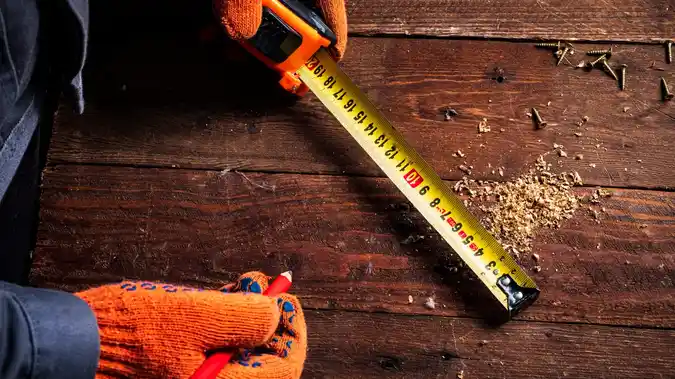
Check the area first, because a wrong yard total makes every later number useless. If the square footage is off by even one bed, the whole mulch estimate can look clean and still be wrong.
Picture this: you’re standing in the yard with a sketch on a phone and a tape measure in your pocket. You do not need to start over; you need to compare the estimate to the actual garden bed layout and make sure every zone is counted once.
Start with the bed list, not the calculator result. Then look for three things:
- A bed that was skipped
- A bed counted twice
- A shape that was simplified too much, like an L-shape treated as a plain rectangle
If the estimate came from a contractor or garden center, ask for the area breakdown in square footage or the dimensions they used. A total without the breakdown is hard to verify, and a tidy total can hide a missed strip along a fence or walk. If the numbers still do not line up, consult a professional and compare them with a source such as the U.S. Environmental Protection Agency’s mulch guidance or your supplier’s written estimate.
A good first check takes about 5 minutes and often catches the biggest error before you get to depth or delivery.
Double-check the mulch estimate by area
The area check is often the fastest way to catch a wrong estimate, because it tells you if the math matches the ground. Once you break the yard into smaller pieces, the total usually shows where the mistake lives.
Picture this: you’re tracing each bed as a rectangle, triangle, or odd shape, and you’re adding the pieces on paper. You are not trying to be fancy; you are trying to make sure the square footage matches the real bed layout.
For example, use this order:
- Measure each bed section separately with a tape measure.
- Write the shape and dimensions next to each section.
- Add the sections into one total.
- Compare that total to the area on the estimate.
- Flag any section that looks rounded, skipped, or doubled.
For example, a long front bed and a narrow side strip may seem like one continuous run, but they often have different widths. That difference matters. A 2-foot strip and a 4-foot strip are not the same job, even if they sit side by side.
This is where many generic estimates go wrong. They assume one clean rectangle, then ignore cuts around trees, paths, steps, or hose bibs. Those little cutouts may not change the total by much, but they do change the final count enough to matter on a large order.
If the estimate was done from a rough sketch, compare the sketch to the yard in person. A 30-second walk can expose a missed corner faster than a phone call can.
Check the depth before you trust the number

The depth check matters because 2 inches and 3 inches are not close enough to treat as the same order. If the estimate used one depth and your plan uses another, the result can be off by a lot, even when the area is right.
Picture this: you’re looking at a note that says “mulch depth” but does not say whether it means finished depth after settling or the amount spread fresh from the pile. That missing detail is where many estimates drift.
Use these checks:
- Confirm the depth is written in inches, not just “light” or “heavy.”
- Make sure every bed uses the same depth.
- Look for spots with a different target, such as under shrubs versus open areas.
- Ask whether the estimate assumes a top-up over old mulch or a full refresh.
Depth is easy to miss because it feels small. It is not small. A bed at 3 inches needs more material than the same bed at 2 inches, and that difference can change the order enough to affect delivery or bag count.
If the estimate came from a calculator, make sure the depth input matches the physical plan. If the estimate came from a person, ask what depth they used in the math. The number should be written somewhere plain enough that a second person can check it without guessing. If it still seems unclear, consult a professional and compare it with a written source before you order.
A clean rule helps here: the same bed should not show two depths unless the planting plan truly changes across the bed. If it does, the estimate should be split by section.
Recount the bed sections before you place the order
Recounting bed sections catches the mistake that a total can hide: one strip left out, or one edge counted twice. That is the most common human error in a mulch estimate, and it usually happens in yards with more than 3 bed zones.
Picture this: you’re looking at a front yard with separate beds along the house, the driveway, and the sidewalk. It feels like one project, but the order should be built from separate sections so nothing disappears in the middle.
Here’s the catch: a section is not the same thing as a plant bed on a plan. A section can be any stretch that changes width, curves, or runs behind a tree. Count each one.
Use this quick recount:
- Walk the yard once and name every bed section out loud.
- Mark each section on a sketch or phone photo.
- Put a check mark beside each section after you see it in the estimate.
- Watch for repeated labels like “front bed” that may cover more than one zone.
- If a section is hard to measure, split it into two smaller pieces.
This matters most in yards with:
- Corner beds
- Narrow side strips
- Beds that stop and start around steps
- Curved edges
- Beds hidden behind fences or shrubs
A section-by-section recount is slower than accepting the total at face value, but it is much safer. It also makes it easier to talk to the supplier, because you can point to one missed zone instead of arguing about a big total.
If the order is based on a sketch, make sure the sketch includes every section with a label. If it does not, consult a professional and treat the estimate as unfinished until the missing section is confirmed from a source.
What mistakes make a mulch estimate wrong?
The wrong estimate usually comes from a few repeat mistakes, not from one giant math problem. Most of them are simple enough to spot if you know what to look for.
Picture this: you’re reviewing the same order for the second time and something still feels off. That feeling is often right, because the estimate may have mixed old mulch, new mulch, and unfinished bed edges into one number.
The main mistakes are:
- Wrong units: feet, yards, and inches get mixed up.
- Missed sections: a side strip or back corner never gets counted.
- Wrong depth: the estimate assumes 2 inches when the plan needs 3.
- Rounded dimensions: a 9-foot section is treated like 10 feet; if you see that kind of rounding, consult a professional and check the written source.
- Shape errors: an L-shape is counted like a plain rectangle.
Each mistake has a cost. Wrong units can blow up the total. Missed sections can leave one part of the yard short. Rounded dimensions can make the order look neat while still being wrong. Shape errors are sneaky because they often hide in the sketch, not in the final number.
The fix is simple: compare the estimate to the actual bed layout and ask where each number came from. If one number has no source, treat it as suspect; if you cannot verify it, consult a professional and use a written source. A clean estimate should show how the area was built, not just the final total.
When you find a mismatch, do not guess your way through it. Recount that one section and correct the estimate before you order.
Review the delivery order before you pay
The delivery order is the last place to catch a bad estimate, and it is often the easiest place to miss one. A final review can stop a wrong bag count, a bad cubic yards figure, or a mistyped address before the truck rolls.
Picture this: you’re at checkout and the total looks close enough. This is where people stop checking. The order line is where the estimate becomes a real shipment.
Use this final review:
- Read the product name and type.
- Check the quantity against the estimate.
- Match the depth or coverage note to your plan.
- Confirm the delivery address and date.
- Look for extra fees, wrong line items, or duplicate charges.
If the supplier sells by the bag, check the bag size and count. If the supplier sells by the yard, check the total volume and whether it matches the estimate format. A good order should not force you to translate the number in your head right before paying.
This review takes less than 2 minutes once you know what to scan. It is the last chance to catch a typo that could turn into a wasted delivery or a return trip.
A final order review should also match the yard itself. If the estimate was based on a front bed, the order should not quietly include a back bed too. That kind of mix-up is common when a quote has several line items on one page.
How do you know if a mulch estimate is too high?
A mulch estimate is too high when the area, depth, or section count does not match the yard. If the number looks bigger than your own recount by one bed or one depth level, it deserves a second look.
Picture this: you’re comparing your sketch to a quote that seems larger than expected. The fastest check is to ask which section drove the increase and whether that section is actually in the plan.
Look for:
- A depth higher than the one you wanted
- A section counted twice
- A rounded area that grew in the math
- A bed that includes paths or open ground
A quote can also run high if it assumes a full refresh when you only need a top-up. That difference should be clear in the notes. If it is not, ask for the breakdown before you order. If the supplier cannot explain the change, consult a professional and verify the figures against the written estimate.
Should you round up or down when ordering mulch?
You should round only after the area and depth are right, and you should not round by guesswork. If you round too early, you can hide a measurement error that matters more than the rounding itself.
Picture this: you’re looking at a total that lands between bag counts or yard numbers. The safe move is to make sure the base estimate is correct first, then decide if the final order needs a small cushion.
A small cushion can make sense when a bed has curves, roots, or uneven edges. A random big bump does not. If the order already looks high, rounding up again can create a pile you never planned for.
The clean rule is simple: fix the math before you pad the number. If the estimate is already built from correct sections and the right depth, a small adjustment may be reasonable. If the base estimate is shaky, rounding only hides the problem.
How do I know if I missed a bed section?
You probably missed a bed section if the estimate does not account for a visible strip, corner, or narrow run along a wall or fence. A second walk usually exposes it fast. Mark every separate shape on paper, then compare that list to the estimate line by line.
What makes mulch estimates wrong?
The most common problems are wrong units, skipped sections, wrong depth, and shape errors. A bed counted as one rectangle when it is really two pieces will throw off the total. A depth mismatch, like 2 inches instead of 3, can also shift the order enough to matter.
Should I round up or down when ordering mulch?
Round only after the estimate is built from correct measurements. If the area and depth are right, a small cushion can help with curves or uneven ground. If the estimate is already shaky, rounding just hides the mistake instead of fixing it.
The final check before you submit the order
The final check is simple: match the bed sections, the square footage, the depth, and the delivery order before you click pay. If all four line up, the estimate is probably sound.
Picture this: you’re one screen away from checkout and you want to stop thinking about it. This is the screen to slow down on, because the cost of a bad guess shows up after the truck is scheduled.
Use this last pass:
- Count every bed section once
- Confirm the area total
- Confirm the depth in inches
- Confirm the quantity on the order line
- Confirm the address and delivery note
If one number still feels off, compare the estimate to the yard sketch again. A good mulch estimate does not rely on trust; it relies on a trail of simple checks that anyone can follow.
Drafted with AI; not yet reviewed by a person.
Leave a Reply