Last updated: November 01, 2026
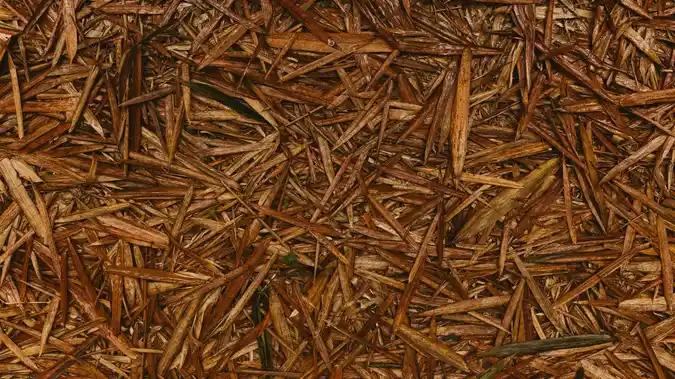
Deer, chipmunks, and rodents can turn the wrong bed cover into a snack bar or nesting site. How to Choose Mulch for Deer-Prone and Wildlife-Heavy Yards starts with a simple rule: choose coarse, low-scent, hard-to-rake mulch and skip loose, fluffy material. The sections below settle what works, what backfires, and when cedar mulch is a weak fit.
Key Takeaways
- Coarse bark usually holds up better than fine, fluffy material in yards with deer and rodents.
- Strong scent is not a free pass; it can help, but it does not stop browsing or burrowing by itself.
- Loose, shredded, or straw-like mulch is easier for animals to move and nest in.
- Cedar mulch can help with smell-based nuisance pressure, but it is not a magic shield.
- Cleanup matters as much as the product. A tidy 2- to 3-inch bed edge gives wildlife fewer hiding spots.
- In many yards, the best pick is the one that stays put, dries fast enough, and does not invite nesting.
What matters most in wildlife-heavy yards?
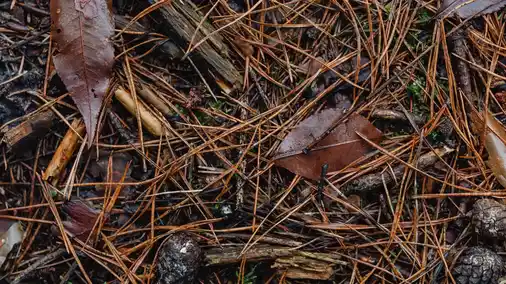
The most practical mulch for a wildlife-heavy yard is often coarse bark mulch or another chunky, low-debris option that does not invite nesting. That choice matters more than color, brand, or a sales pitch about “natural pest control.”
Picture this: you’ve got deer cutting through the beds at dusk, chipmunks running fence lines, and a few ground-level shrubs that keep getting nibbled. In that setup, loose mulch can become bedding. A tighter, heavier texture makes the bed less appealing. A 2- to 3-inch layer is usually enough to cover soil without building a soft nest.
Here’s the catch: no mulch stops deer browsing on its own. Deer eat plants, not mulch, and they will still reach into a bed if the planting is tasty enough. Mulch choice helps with bed management, not total exclusion.
- Pick a chunky texture. Large bark pieces are harder for chipmunks and rodents to move than shredded material.
- Keep the layer moderate. A 2- to 3-inch depth covers soil without making a cushy pocket.
- Avoid “fluffy” fills. Straw-like or very fine mulch packs like bedding and stays easy to tunnel into.
- Leave a clean edge. A 6-inch bare ring around trunks or hard edges makes inspection easier and reduces hiding spots.
- Recheck after storms. Wind and water can push fine pieces into drifts that animals use as cover.
The goal is simple: make the bed harder to occupy. Harder, not impossible.
Does cedar mulch help with deer and rodents?
Cedar mulch can help with smell-based nuisance pressure, but it is not a dependable deer deterrent on its own. The odor fades over time, and hungry deer do not read labels.
Picture a yard where you want a pleasant scent near a porch, but wildlife keeps crossing the same path every night. Cedar often gets recommended because it smells strong and dries into a firmer mat than many soft mulches. That can make it a decent option in the right bed. It is still only one layer of defense.
The best use for cedar is as part of a broader plan: resistant plants, tidy beds, and quick cleanup of spilled seed or fruit. On its own, cedar does not stop chipmunks from burrowing along a foundation or deer from stepping into a bed to sample hostas.
A simple way to think about it:
- Cedar helps most when your main issue is scent and surface neatness.
- Cedar helps less when the problem is heavy browsing or active burrowing.
- Cedar is not ideal if you want the cheapest filler for a large acreage bed.
For readers comparing options, this is where the hub page on mulch types and materials belongs: use that guide for the full material map, then come back and choose for wildlife pressure. If you want a single sentence verdict, cedar is a reasonable but limited choice.
Common drawbacks of cedar mulch
Cedar can dry into lighter pieces that shift in wind, which means more cleanup after a storm. It can also be pricey compared with basic bark mulch in some markets. If you need a bed cover that resists movement and burrowing first, cedar is not the strongest answer.
Who Should Skip This: Someone fighting active chipmunk tunneling near a foundation should look at coarse bark mulch instead, because the heavier texture is less inviting to move.
Buy this if: you want a scented, tidy look near a porch bed and your main issue is mild wildlife pressure.
Skip this if: you need the most burrow-resistant option for a high-traffic wildlife corridor.
Which mulch types attract rodents and nesting?
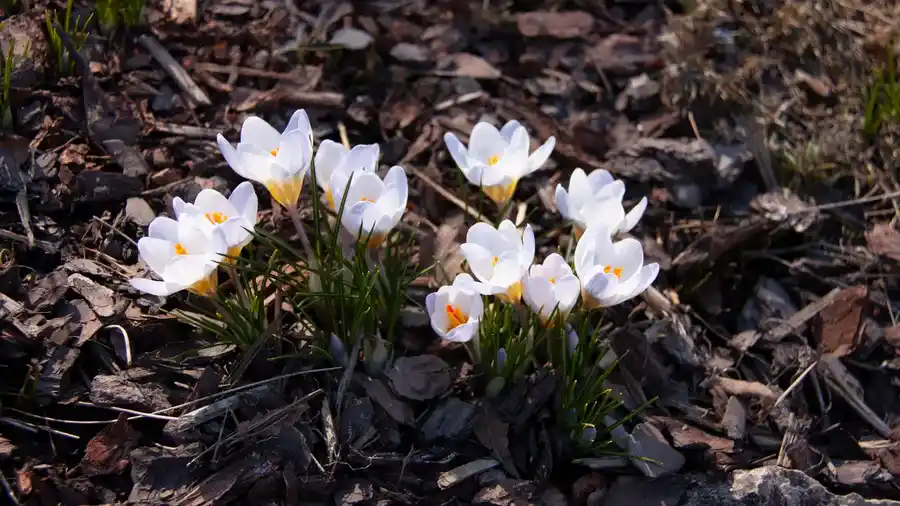
Loose, fibrous mulch is the biggest problem because it can act like bedding. Fine shredded wood, straw-like material, and anything that stays soft after rain can give mice, chipmunks, and other small animals a place to hide.
Picture this: you rake a fresh bed, and a week later the surface looks puffed up in one corner. That lifted patch is often a sign that something has started using the space. Rodents like edges, cover, and easy entry points. They do not need a deep nest to make trouble.
The shape of the mulch matters more than the color. A dark dyed product can still be a bad choice if it breaks down into small, light bits. A coarse bark mix, by contrast, leaves less cozy material for nesting and is easier to spot when disturbed.
Watch for these risk signs:
- Soft, shredded texture that mats down quickly
- Heavy leaf litter mixed into the bed
- Piles near rocks, timbers, AC pads, or sheds
- Spillover from bird seed, fallen fruit, or pet food
What to do instead:
- Strip out loose debris before spreading new material.
- Use a 2- to 3-inch layer of coarse bark or similar chunky mulch.
- Keep the bed edge open, especially near sheds, decks, and foundation lines.
- Remove fallen fruit and seed weekly during peak activity.
- Refill only where needed; do not keep building depth every season.
That last step matters. A bed that keeps getting topped off can turn into a soft, deep mat.
How to choose mulch for deer-prone beds without overdoing it
Choose a mulch that is coarse, modest in depth, and easy to inspect. That is the practical answer for deer-prone beds, because deer pressure usually rises where beds are lush, hidden, and poorly maintained.
Picture a front bed with low shrubs, a walkway, and deer trails crossing the lawn. You do not need a thick blanket of material there. You need a bed that looks tidy, drains well, and leaves little cover at the base of the plants. A 2-inch layer is often enough for a clean finish in a wildlife-heavy yard. More depth can add cover without adding much benefit.
Use this order when you decide:
- Start with the threat. If deer are the issue, remember that mulch only supports the planting plan. It does not stop browsing.
- Choose texture over looks. Coarse bark mulch is usually a better fit than fine shredded material.
- Match the bed use. Near paths, porches, and mailboxes, pick something that stays put and does not blow around.
- Check cleanup time. If you have to rake it every 2 weeks, the bed is too loose for your site.
- Keep seed and fruit out. Wildlife follows food, and spilled food cancels out a good mulch choice fast.
The truth is, many generic articles miss this: the best wildlife-friendly mulch is often less about “repelling” animals and more about removing the conditions they like. Cover, bedding, and food scraps do most of the damage.
The best fit by problem
- For deer browsing: coarse bark mulch with tidy bed edges.
- For chipmunks and rodents: a heavier, chunkier surface that does not fluff up.
- For mild scent help: cedar mulch, if you still want a natural look.
- For busy paths through beds: a mulch that does not scatter into walkways.
How do you keep mulch from becoming a nesting site?
You keep mulch from becoming a nesting site by cleaning the bed, controlling depth, and removing food sources around it. That is the part most people skip, and it is why the same yard keeps drawing wildlife back.
Picture this: the mulch itself looks fine, but there are acorns in one corner, a few seed hulls near a feeder, and a stack of leaves by the fence. That mix is a hotel. Even a decent bark product can become a problem if the bed is cluttered.
Use a simple seasonal routine:
- Rake out leaf piles before they mat down.
- Pull back mulch from dense shrubs where animals can hide.
- Clear fallen fruit within a day or two.
- Sweep up bird seed after messy feeders spill.
- Top up only worn spots, not the whole bed.
A clean bed also makes it easier to see tracks, digging, and new tunnels. That matters because early signs are easier to deal with than a full nesting pocket. If you spot repeated digging near the same spot, the answer may be to reduce cover there rather than add more material.
One more practical point: bark size matters during cleanup. Larger pieces are easier to separate from leaves and easier to rake back into place. Very fine mulch disappears into debris and takes more labor to manage. That is a real cost, even if the bag price looks low.
What should you avoid near wildlife paths?
Avoid soft, fluffy, deeply piled mulch near wildlife paths because it gives animals cover and makes it easier for them to settle in. You should also avoid placing any loose bed material right up against bird feeders, compost piles, or fruit drop zones.
Picture a deer path along the back fence. If the bed there is deep, soft, and full of fallen twigs, you have built a corridor. Chipmunks and rodents like that kind of edge because they can move from cover to cover without crossing open ground.
The biggest mistakes are predictable:
- Too much depth. A deep layer becomes bedding, not just ground cover.
- Too fine a texture. Small pieces settle into a soft mat.
- Food nearby. Seed, fruit, and compost pull wildlife in faster than any mulch can push them away.
- Poor edge control. Beds that spill into grass or brush make it hard to see movement.
On the other hand, a clean bed with coarse bark mulch and open sightlines is easier to manage. It does not promise zero wildlife. It does make the yard less welcoming.
If you want the shortest possible rule, use this: chunky, shallow, tidy. That is the combination that usually holds up best where deer, chipmunks, and rodents all show up.
Does mulch attract rodents?
Yes, some mulch can attract rodents if it is soft, deep, or mixed with food and debris. Rodents are drawn less to the wood itself than to the cover it creates. Coarse bark mulch, kept at a modest depth and cleaned regularly, is a better choice than loose, nesting-friendly material.
Is cedar mulch a deer deterrent?
Cedar mulch may help a little, but it is not a reliable deer deterrent. The scent can fade, and deer will still browse nearby plants if they like them. Cedar works best as part of a larger bed plan that also uses tidy edges, coarse texture, and less food debris.
What mulch should I avoid near wildlife paths?
Avoid soft, fluffy, straw-like, or deeply piled mulch near wildlife paths. Those textures are easy to tunnel into and can hold moisture and debris that animals use for cover. A coarse bark product is usually a better fit because it is harder to move and easier to inspect.
Drafted with AI; not yet reviewed by a person.
Leave a Reply