Last updated: November 02, 2026
Quick answer: for How to Choose Mulch for Acid-Loving Plants, start with 2 to 3 inches of plain pine bark or pine needles, because those are the safest all-around mulch choices for many acid-loving plants. This guide sorts out what to use, what to skip, and how to match the mulch to the plant’s root zone.
Key Takeaways
- Acid-loving plants do best with mulches that stay acidic or near-neutral and break down slowly.
- Pine bark is a dependable general pick for beds with azaleas, rhododendrons, and camellias.
- Pine needles work well where you want a light, airy cover that does not pack down.
- Blueberries need the cleanest, least alkaline setup; avoid anything that contains lime or fresh manure.
- The wrong mulch can push pH upward, hold too much water, or form a crust that roots hate.
What acid-loving plants need from mulch
Acid-loving plants need mulch that protects roots without pushing soil pH upward. That means the right cover keeps moisture steady, softens heat swings, and breaks down in a way that fits shallow, fibrous roots.
Because these plants root near the surface, mulch choice matters more than it does in many other beds. A 2- to 3-inch layer of the wrong material can compact, shed water, or drift alkaline over time. That is the part most generic mulch advice misses.
The best fit depends on the plant, but the rule is simple:
- Use pine bark for most acid-loving beds.
- Use pine needles when you want a lighter layer that won’t mat.
- Use composted leaf mold only if you know it is not alkaline and not mixed with lime.
- Avoid wood ash, limestone products, and manure-heavy blends near blueberries and other acid seekers.
The plant list matters. Azaleas and rhododendrons like a cool root zone and loose, airy cover. Camellias want the same kind of setup, and blueberries are pickier because they do best in acidic soil and dislike anything that nudges pH upward.
If you want the bigger buying map, the hub on mulch types and materials sits above this guide. This page stays focused on one job: matching the mulch to acid-loving plants, not on every mulch in the yard.
Good signs you’re in the right lane
- The mulch smells woody, not sour or ammonia-heavy.
- It stays loose after watering.
- It doesn’t include lime, concrete dust, or fresh manure.
- It looks like bark, needles, or finely shredded plant material—not mystery blend.
Which mulch is best for azaleas, rhododendrons, camellias, and blueberries?
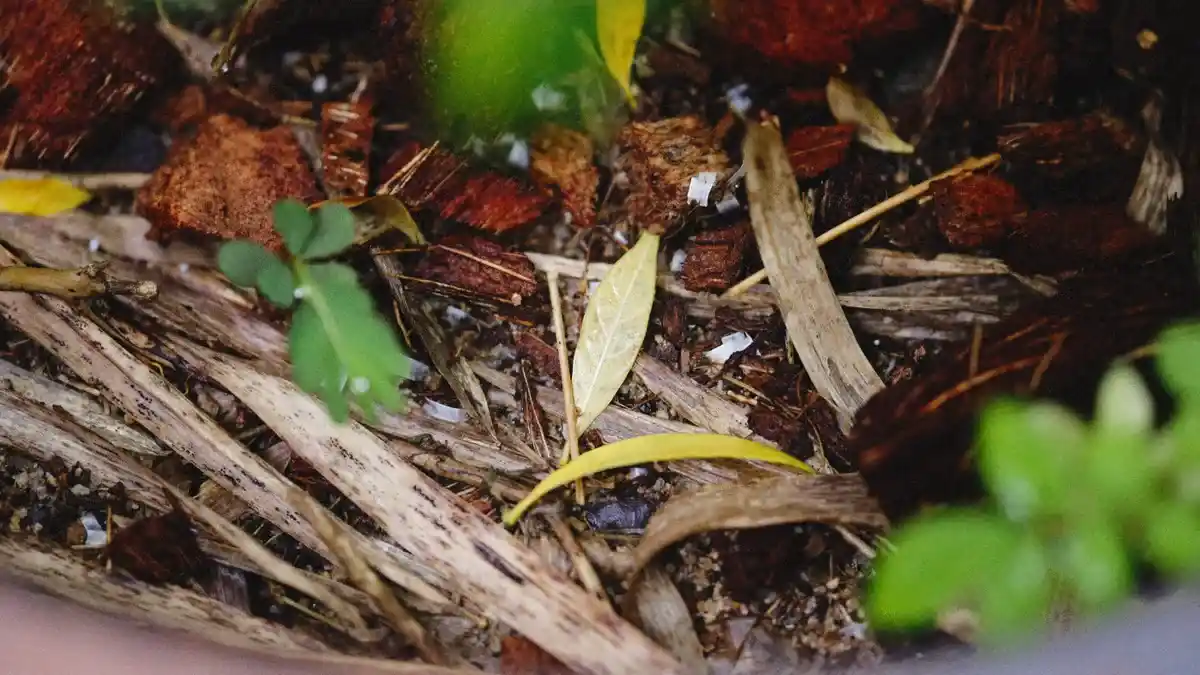
Pine bark is a strong general choice for azaleas, rhododendrons, camellias, and blueberries because it is stable, easy to source, and less likely to create a pH problem than mixed landscape mulch. For most beds, that makes it the clean default.
That said, different plants like the same basic direction, but not the same texture. A mixed bed can look simple from a distance and still need a different finish around each shrub.
Here’s the catch: texture changes how the mulch behaves over a season.
| Plant | Best fit | Why it works | Watch out for |
|---|---|---|---|
| Azaleas | Pine bark, pine needles | Loose cover, good moisture balance | Heavy layers that crust over |
| Rhododendrons | Pine bark | Airy, slow to pack down | Mulch piled against stems |
| Camellias | Pine bark, fine bark chips | Neat finish and steady moisture | Fresh, hot compost mixes |
| Blueberries | Pine bark, pine needles | Least likely to raise pH | Mulch with lime or ash |
Azaleas and rhododendrons sit near the top of the list for shallow-rooted shrubs. A 2- to 3-inch layer of pine bark helps keep the root zone cooler without burying the crown. Camellias often respond well to the same treatment, especially in beds that dry out between waterings; if you are unsure about a specific site, consult a local extension service or nursery professional before changing the bed.
Blueberries are the strictest of the group. They usually do best with mulch that stays acidic or close to it, and that means plain pine bark or pine needles rather than decorative blends. Don’t use a mulch that advertises “plant food,” because those mixes can hide ingredients you don’t want in a blueberry bed. If the label is vague, ask a horticulture professional or check university extension guidance first.
Pine bark is the most dependable all-purpose pick.
It earns that spot because it is simple, durable, and less likely to cause trouble than mixed or amended products.
How do I choose mulch for acid-loving plants?
Choose mulch for acid-loving plants by checking three things before you buy: ingredients, texture, and how the mulch will break down. If those three points line up, you are usually safe.
This matters because the wrong bag can look right at a glance. A mulch that is dark, rich, or “premium” is not automatically a good fit for How to Choose Mulch for Acid-Loving Plants.
Use this order:
-
Read the ingredient list first. Look for pine bark, pine needles, or plain wood products with no lime, ash, or manure.
You want a bag that names the material clearly, not one that hides behind “premium blend.” -
Check the texture. Pick a loose, airy product for azaleas, rhododendrons, and camellias.
Fine bark or needles usually sit better than chunky, stringy material that mats. -
Ask how it breaks down. Slow breakdown is useful in beds that need steady soil cover.
A bark product often lasts longer than thin shredded scraps, which means less reworking. -
Match the mulch to the plant’s sensitivity.
Blueberries get the strictest treatment; ornamentals like camellias may tolerate a little more variety, as long as the mix stays clean. If you want to be cautious, check with a local extension office or certified nursery professional. -
Keep the layer modest.
2 to 3 inches is usually enough for beds. Too much mulch can trap water and starve roots of air.
On the flip side, a mulch that looks rich and dark is not automatically a good fit. Some “garden” mixes contain compost, manure, or lime adjustments. That can be fine for one bed and wrong for another. For acid-loving plants, plain usually beats fancy.
Two sources are worth knowing here: the American Rhododendron Society for plant culture guidance, and extension publications from land-grant universities on soil pH and mulch use. The University of Maryland Extension also advises keeping mulch a few inches deep and away from trunks, and the University of Florida IFAS Extension notes that blueberries need acidic soil management.
Pine bark vs. pine needles: which one fits your bed?
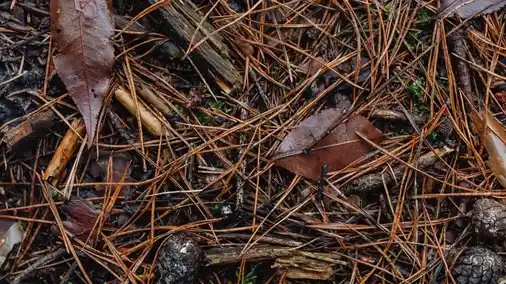
Pine bark is the better default, and pine needles are the better specialty choice when you want a lighter cover that does not compact. That is the real comparison.
Because the two materials behave differently, the bed you are mulching should guide the choice. A flat, formal planting often calls for one look; a sloped or woodland bed can handle another.
Use pine bark when you want:
- A neater look around formal beds
- Slower breakdown
- Better moisture retention
- A material that stays put in flat beds
Use pine needles when you want:
- A light layer over shallow roots
- Better airflow at the soil surface
- Less risk of matting
- A natural fit for woodland-style beds
Pine needles are not magic, and they are not the only choice. They can blow around, especially before they settle, and they may look too loose in a tidy front yard bed. Pine bark costs more effort to spread by hand if the pieces are larger, but it usually stays in place better and gives a more finished look.
For azaleas and rhododendrons, pine bark is the safer first pick. For a bluebird-friendly, woodland-style blueberry patch, pine needles can work well if the bed is sheltered and you don’t mind a looser finish.
Pick pine needles for airflow.
That is the main reason to choose them. If you need a clean edge and slower breakdown, pine bark wins.
Avoid these pairings
- Pine needles in windy, exposed beds
- Chunky bark over tiny seedlings
- Any product with lime or wood ash
- Fresh compost that heats up at the root line
What mulch should I avoid near acid-loving plants?
Avoid mulch with lime, ash, fresh manure, or mystery compost near acid-loving plants, because those ingredients can move soil the wrong way or upset the root zone. The biggest problem is not the color of the mulch; it’s the additive list.
That is why labels matter. A bag that says “natural blend” may still contain ingredients that work against blueberries or rhododendrons.
Stay away from:
-
Mulch with lime added
Lime raises pH, which is the opposite of what blueberries and many acid-loving shrubs need. -
Ashy or charcoal-heavy material
Wood ash is alkaline and can change soil chemistry fast in a small bed. -
Fresh manure or hot compost
These can be too strong for shallow roots and may bring salts or heat. -
Rubber mulch and colored mystery products
They are not a natural fit for this group and do nothing to support soil life. -
Freshly chipped hardwood with no source info
It may be fine in some beds, but for acid-loving plants it is a poor gamble if the source is unclear.
The mistake here costs you twice. First, the plants may sulk: yellow leaves, weak growth, poor bloom, or thin fruit set. Then you spend time ripping out mulch and replacing it with a safer material.
If a bed already has the wrong mulch, don’t panic. Remove the top layer, top up with pine bark or pine needles, and keep an eye on the plants for a season. For blueberries, that cleanup is worth the trouble because they are the least forgiving of the group.
How to put mulch down without hurting the roots
Put mulch down in a 2- to 3-inch layer and keep it off the stems and crowns so the plant can breathe. That one habit solves most mulch problems around acid-loving plants.
The key is to place the layer evenly rather than piling it at the base. Once the mulch is down, the bed should look finished without looking buried.
Use this sequence:
-
Clear weeds and old debris first.
Remove dead leaves, sticks, and any crusted mulch that has packed into a mat. -
Water the soil before mulching.
Moist soil holds the benefit better, especially in dry spells. -
Spread mulch evenly.
Aim for 2 to 3 inches in the root zone, thinner near small shrubs and fuller around older plantings. -
Keep a gap at the base.
Leave a few inches open around stems and trunks so bark does not sit wet against the plant. -
Check after the first heavy rain.
If the mulch has slid, packed, or formed a ridge, rake it back into place.
A thick mound against the stem is a common error. It invites rot, hides pests, and traps water where roots don’t need it. That is especially hard on rhododendrons and camellias, which already dislike soggy crowns.
A clean mulch ring usually needs less work later. You get fewer weeds, steadier moisture, and a bed that looks cared for without choking the plant.
The simple rule for picking mulch that keeps soil acidic
Pick a mulch that is plain, woody, and free of lime, then match the texture to the plant’s roots. That is the whole game for acid-loving shrubs and berries.
If you want one practical answer for How to Choose Mulch for Acid-Loving Plants, this is it: choose pine bark or pine needles, avoid alkaline additives, and keep the layer at 2 to 3 inches.
Use this short filter:
- Pine bark: best overall
- Pine needles: best for light, airy coverage
- Composted leaf material: okay only if it is clean and not limed
- Anything with lime, ash, or manure: skip it
That rule covers the practical part. The rest is plant care: keep the layer at 2 to 3 inches, keep it off the stem, and refresh only when the mulch starts to thin or break apart. You do not need a heavy blanket to get good results.
A good mulch choice won’t fix bad soil by itself, but it can stop you from making things worse. That is why this decision matters more for blueberries and rhododendrons than for many common landscape plants. The wrong cover can quietly drag the bed in the wrong direction.
Does mulch change soil pH?
Yes, some mulch can change soil pH, but the change depends on the material and what it contains. Plain pine bark and pine needles are usually the safest options for acid-loving plants because they do not add lime. The risk shows up with ash, lime-treated products, or compost blends that include alkaline ingredients.
Is pine mulch good for blueberries?
Yes, pine bark and pine needles are good choices for blueberries. They fit the plant’s need for an acidic root zone and a loose surface layer. Skip any product that includes lime, ash, or “soil sweetener” ingredients, because blueberries are sensitive to pH shifts.
What mulch should I avoid near acid-loving plants?
Avoid mulch that contains lime, wood ash, fresh manure, or unclear blend ingredients near acid-loving plants. Those materials can push the soil away from the acidic range these plants prefer. If the label is vague, plain pine bark is the safer default.
Drafted with AI; not yet reviewed by a person.
Leave a Reply