
Last updated: November 02, 2026
Key Takeaways
- Estimate each stop separately, then total the counts before loading.
- Match the largest stop to the safest load, then fit the smaller stops around it.
- Keep each stop in its own stack so your count stays clean.
- Keep the load dry, tied down, and out of the wind so it arrives in the same shape it left in.
A multi-stop pickup day gets messy fast if you guess wrong, but How to Estimate Mulch for a Multi-Stop Pickup Day starts with estimating each stop separately, then totaling the bags or yards before you leave the first garden center. The steps below show how to split loads, stage pickups, and keep a pickup truck or trailer from getting overfilled. For the base math, see the mulch bag planning hub and related mulch calculator and pickup truck bed dimensions.
Estimate each stop before you load the truck
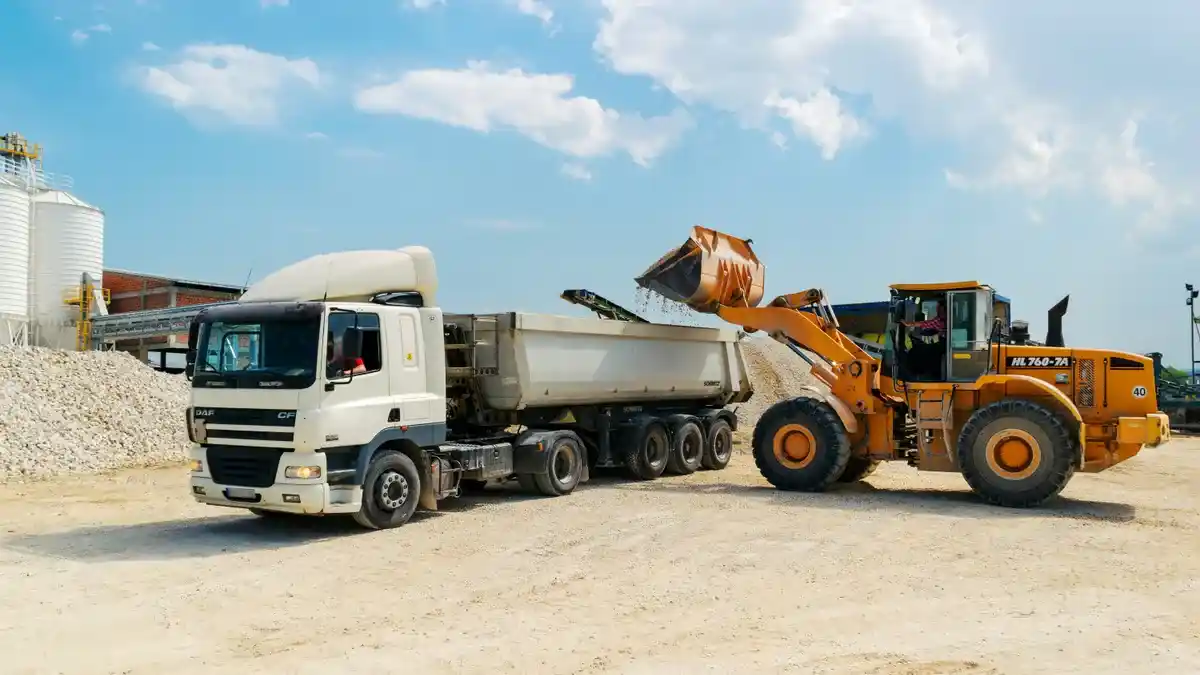
How to Estimate Mulch for a Multi-Stop Pickup Day begins with one stop at a time, because the day falls apart if the first load eats too much space. Start by estimating each stop on its own, then add the totals before you touch the tailgate.
The simplest way is to turn each order into a count of bags or cubic yards, then decide which stop gets loaded first. A 2 cu. ft. bag is easier to count than loose bulk, and that number matters because the loading site may stage pallet counts, not “half a truck.” Keep every stop separate on paper. Big mistake to skip that.
- Measure each bed, border, or project area in square feet.
- Choose a coverage depth of 2 inches or 3 inches.
- Convert that area into bags or cubic yards for each stop.
- Write the stop name next to the count so you do not mix loads.
Here’s the catch: the total for the day is not the same as the load you can carry on one run. A pickup truck bed, a trailer, and tie-down space all cut into the practical count. If one stop needs 20 bags and another needs 12, the order of pickup matters more than the total. That is why a multi-stop mulch pickup plan is a loading problem, not just a math problem.
- Keep one list for the day.
- Keep one line for each stop.
- Keep one count for each line.
- Stop here before combining them.
If you also need a refresher on the bag math itself, the mulch bag planning hub is the better place for the base conversion rules.
How do you plan multiple mulch pickups?
How to Estimate Mulch for a Multi-Stop Pickup Day means matching the biggest stop to the safest load and then fitting the smaller stops around it. That means you set the pickup order, the load order, and the handoff order before the first bag leaves the garden center.
Start with the stop that has the tightest space requirement. If one stop needs 18 bags and the next needs 6, load the 18-bag stop only if the truck bed and trailer can still leave room for the other 6. If not, split the first stop into two parts. The day often goes smoother when the hardest stop gets handled while the load is still empty.
A good plan uses three checks: space, time, and storage. Space tells you what fits. Time tells you whether bags can sit at the loading site for 20 minutes while you finish paperwork or move to the next aisle. Storage tells you where the mulch will wait between stops if you are not spreading it right away.
- Put the farthest stop first if the day gets long.
- Put the heaviest stop first if the truck or trailer will be close to full.
- Put the easiest unload last if you know you’ll be tired.
- Keep bagged mulch separated by stop label.
Now, you might be wondering what “split loads” means in real life. It means one stop may need a partial pickup now and the rest later in the day, or one stop may ride on the trailer while another stop rides in the pickup truck bed. That is often safer than forcing every bag into one pile and hoping the labels save you.
Split the load before you leave the loading site
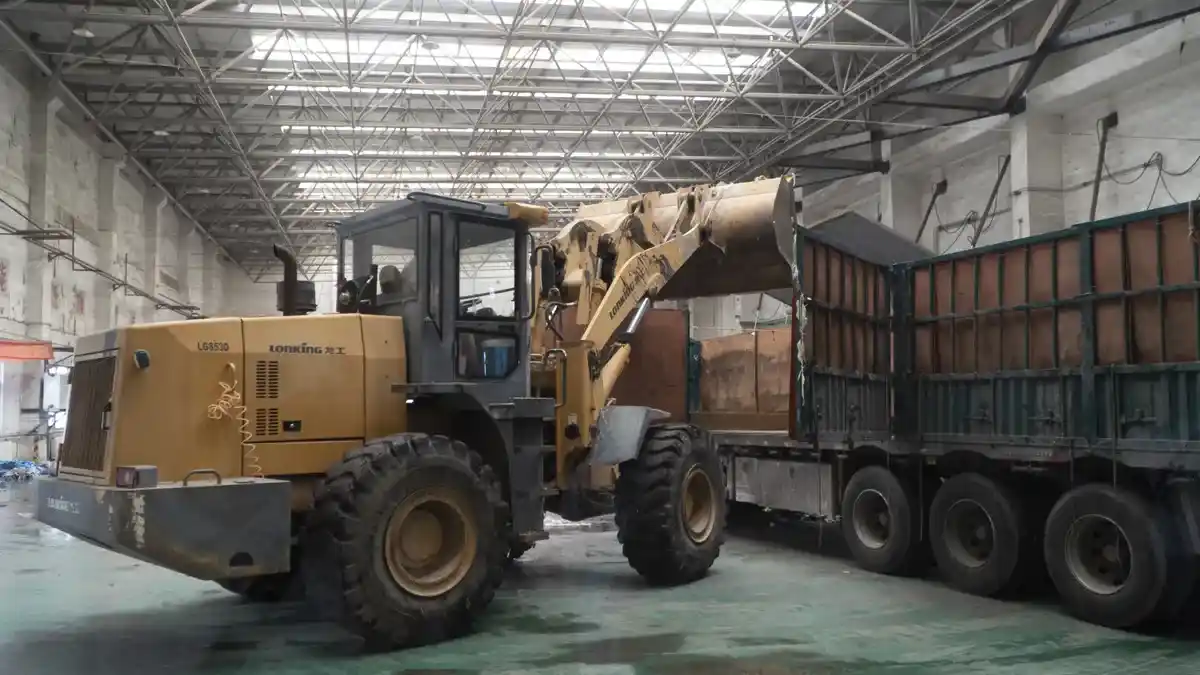
Because the next stop may be 25 minutes away, split the load now, not later, so each stop gets its own stack and your count stays clean.
The easiest split is by visible stack, not by memory. If Stop A needs 10 bags and Stop B needs 8, load 10 together, then 8 together, and keep a gap between them if the trailer allows it. If you are carrying bulk instead of bags, separate each stop with a tarp edge, a divider, or a clear front-to-back order so the offload is not a guessing game.
For a pickup truck, the bed shape is the limit. For a trailer, the axle and tie-down points matter too. A loaded 6×12 trailer does not care that the order looked simple on paper; it still needs balanced weight and a clear path for unloading. That is why a split load should follow the unload order, not the purchase order.
- Load the last stop closest to the tailgate if you want it off first.
- Place the first stop deeper in the bed if it will be unloaded later.
- Label each stack with tape or a marker if the bags look alike.
- Check that the straps still catch the whole stack.
A clean split saves time at every stop. You are not re-counting bags in a driveway, and you are not dragging the wrong stack across a lawn. If one stop is small, like 4 bags, park it where it can come off in one minute. If one stop is large, keep it stable and flat so it does not slide during the drive. For staging and secure transport, see the mulch delivery safety checklist.
Keep mulch safe between stops
Because the bags may sit in the truck for 40 minutes while you make another pickup, keep the load dry, tied down, and out of the wind so it arrives in the same shape it left in.
This matters more than people think. Bagged mulch can tear if it rubs on a sharp trailer edge, and loose bags can shift if the route has hard turns or a rough loading site exit. A tarp helps, but only if it does not block the tie-downs or make the stack slide around underneath it. If rain is in the forecast, cover the top first and secure the sides second, and if conditions look risky, consult a professional or local supplier for transport advice; see NOAA guidance on rain forecasts and the FMCSA cargo securement rules for general load safety.
Storage between stops is mostly about temporary control. A driveway, a staging area, or the back of a pickup truck bed can all work for short gaps if the bags stay stacked flat. Do not leave loose bags half in and half out of the bed while you run in for the next order. That saves 30 seconds and creates a mess that costs 10 minutes.
- Keep bags off sharp metal edges.
- Keep heavy stacks low.
- Keep the tarp tight.
- Keep the route short when possible.
There is a trade-off here. Tighter storage makes unloading slower if you bury the wrong stop under the right one. Looser storage makes shifting more likely. The better choice depends on which stop comes first and how much room the truck or trailer has left after the first pickup. If you have only 2 stops, the setup is easy. If you have 4, the order has to do more work.
Use time, not just volume, to pace the day
Because the line can move slowly at the loading area, pace the day by minutes between stops, not just by how many bags fit in the bed.
A multi-stop day gets slower when each stop takes a different amount of time to load and unload. A small 6-bag stop can take longer than a 12-bag stop if the bags are buried, the space is tight, or the loading site is busy. Add travel time, check-in time, and unloading time before you commit to a route.
The cleanest way to manage this is to assign a time block to every stop. If one stop needs 15 minutes to load and 10 minutes to unload, that is 25 minutes before the next stop even starts. If you expect traffic or a queue at the garden center, give yourself slack. A half-hour cushion can keep the rest of the day from slipping.
- Put the longest stop where you have the most daylight left.
- Put the nearest stop after the heaviest load.
- Put the fastest stop after a busy loading site if you need a reset.
- Leave room for one unexpected delay.
A lot of people overplan the count and underplan the clock. That is the mistake that turns a simple pickup into a late-day scramble. The job is not just to bring home the right amount. It is to bring home the right amount while the bags still fit, the straps still hold, and the day still has enough time left to unload at every stop.
Common mistakes that throw off a multi-stop mulch estimate
Because one bad assumption can affect the whole day, watch for the mistakes that throw off a multi-stop mulch estimate.
The biggest error is estimating the whole day as one lump. That hides which stop is short and which stop is overfilled. Another common mistake is assuming the same stack plan works for every pickup truck and every trailer. It doesn’t. Bed length, side height, and strap layout change how many bags stay stable.
A second problem is forgetting the return trip. If you still need to fit tools, straps, or a tarp after the last stop, the last load cannot take every inch of space. A trailer that looks full at the loading site may be a bad fit by the time you add a hand truck or other gear. That is why leaving a little margin is better than chasing the last possible bag.
- Do not count on “just squeezing it in.”
- Do not mix the bags from separate stops.
- Do not load in the order you bought if you plan to unload in the order you arrive.
- Do not ignore the time between stops.
A slightly smaller load is usually better than a packed load that has to be restacked twice. If one stop is uncertain, round down on the first pickup and plan a second pickup later. That sounds less efficient on paper, but it often saves the whole day from becoming a pile of loose bags at the second garden center. For route planning, the mulch delivery checklist can help.
What a clean pickup plan looks like in real life
Because every bag already has a place assigned, a clean plan uses one list, one order, and one backup step if the count changes.
A workable plan starts with the stop list, then the bag count for each stop, then the loading order. After that, you decide whether the pickup truck bed, the trailer, or both will carry each segment. If one stop changes from 8 bags to 10 bags, the whole plan needs a quick reset before you leave the loading site.
The best plans are plain enough to read at a glance. A line for Stop 1, a line for Stop 2, a line for Stop 3. A note for which stop unloads first. A second note for where the tarp sits. That is enough to keep the day moving without turning the truck into a puzzle.
- One stop = one count.
- One count = one place in the load.
- One load = one unloading order.
- One order = fewer mistakes.
If the route spans more than one garden center, give the first location the simplest task: stage the first stack, not the whole day. That keeps the loading site from becoming a storage lot and helps the second stop stay clean. It also gives you a chance to adjust if one count changes by a bag or two.
How much mulch should you buy for a split pickup day?
Because each stop needs its own count, buy the amount that fits each stop with a little room left over, not the biggest number you can cram into the truck.
A split pickup day is not the time to guess high across the board. If one bed already has edging in place or a tighter border, it may need less than the rough sketch suggests. If another stop has exposed soil and a wider spread, it may need more. Use those differences to size each leg of the route. The result is a cleaner load and fewer leftovers.
The line to remember is simple: estimate each stop, then build the route around the load. That is the core of a multi-stop mulch pickup plan. If the first stop uses 6 bags and the second uses 9, plan for 15 only if the pickup truck or trailer can safely carry 15 while still allowing a clean unload. If not, split the day.
- Estimate stop by stop.
- Load in unload order.
- Leave room for tarps and tools.
- Keep the second stop separate.
The mistake to avoid is treating all pickups like one delivery-sized pile. A multi-stop day needs more control than that. The estimate only works if the load order, storage between stops, and time on the road all fit the same plan.
Can you pick up mulch in more than one trip?
Yes, you can pick up mulch in more than one trip, and that is often the safer choice when a pickup truck or trailer will not hold every bag at once. Split the order by stop, not by guesswork, so each trip has a clear count and unload order. A second trip is better than forcing an unstable stack.
How do you plan multiple mulch pickups?
Plan multiple mulch pickups by listing each stop, estimating each stop separately, and assigning a load order before you leave the first loading site. Put the biggest or most awkward stop where it fits best in the truck bed or trailer. Then add travel time and unloading time so the route does not drift.
What should you do if you need to split one order across stops?
Split one order across stops by writing down how many bags belong to each place before the first bag is loaded. Keep the bags grouped by stop, label the stacks if needed, and unload in the same order you planned. If one stop changes, adjust the whole count before you drive away.
Drafted with AI; not yet reviewed by a person.
Leave a Reply