Last updated: November 02, 2026
Quick Answer: mulch the border between lawn and hardscape by defining a clean edge, trimming back grass, and spreading a thin 2- to 3-inch layer that stops short of the concrete, pavers, or pavement.
A border can look sharp or sloppy in five minutes; this guide to How to Mulch a Border Between Lawn and Hardscape shows how to shape the transition strip so it sits neatly beside a lawn, patio, sidewalk, or driveway without making a mess.
Key Takeaways
- A border between lawn and hardscape needs a sharper edge than a normal bed.
- Keep the mulch line back from concrete so clippings and rain don’t push it around.
- A shallow strip works better than a thick berm at the edge.
- Grass creep is the main enemy, not the mulch itself.
- Clean finish lines come from edging first, then placing the mulch.
- If you want the same method used on the rest of the bed, start with the hub on mulch application methods.
What the border needs before you spread anything
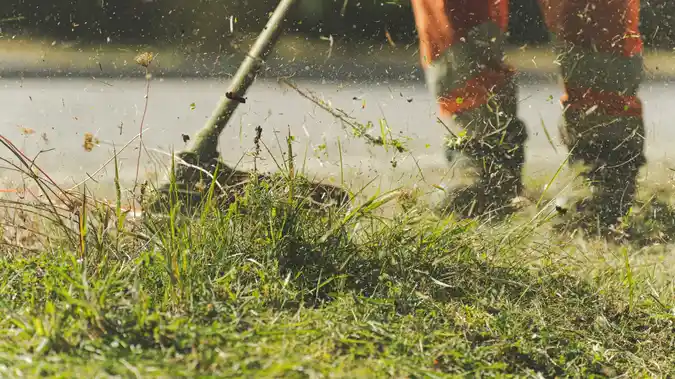
Standing where grass meets a sidewalk, you may see a muddy, ragged line already pushing into the bed. Fixing that starts before any mulch goes down, because a border between lawn and hardscape needs a firm edge, a clear shape, and a place for cleanup.
Start with a bed edge you can see from 2 to 3 feet away. Fuzzy lines only get louder once mulch goes in. A sharp transition also makes mowing easier; the wheel has somewhere definite to run.
Use these checks before you buy or spread anything:
- The soil line should drop slightly away from the hardscape, not heap up against it.
- Turf should stop cleanly at the edge, not wander under the grass line.
- The border should be wide enough for mulch, but not so wide that it eats into the lawn.
- Water should run away from the pavement, not pool against it.
A border that meets concrete with a heavy mound often traps clippings and dirt. Then the edge stains, and grass starts sneaking in from the side. Flatter is better here; honestly, it lasts longer too.
Do this first: define the line with a flat spade or edging tool, then remove loose grass and lifted soil before you bring in mulch. That saves you from scraping mulch off the hardscape later.
How do I mulch a border between lawn and hardscape?
Cut the border first. Then clear it. After that, place a thin, even layer that ends short of the pavement. The goal is a crisp transition zone, not a piled ridge.
- Cut the edge with a half-moon edger or flat spade, following the lawn line for the full border. Aim for a clean vertical cut about 2 inches deep so the grass has less room to creep.
- Remove loose turf and roots with a hand rake or shovel so the strip is bare and level. Pull out clumps now, because they will show through the finished border.
- Shape the soil with a rake so the bed falls slightly away from the hardscape. A gentle slope keeps mulch from packing against the edge.
- Spread mulch by hand or with a small shovel in a 2- to 3-inch layer. Keep it off the pavement and away from the grass crowns.
- Taper the last few inches near the hardscape so the border looks intentional. A thin finish line looks better than a bulky edge.
- Brush stray pieces off the concrete, pavers, or driveway with a stiff broom. Don’t leave the first pass messy; it sets the tone for the whole border.
Most of the work comes down to a few tools: a half-moon edger, hand rake, flat shovel, and broom. For a long run, a wheelbarrow or tarp keeps material from spilling across the hardscape.
Restraint matters more than volume. Too much mulch pushes into the walking surface, clogs mower passes, and turns into weekly cleanup. Too little, though, leaves the strip thin and patchy.
For How to Mulch a Border Between Lawn and Hardscape, this is the moment where the finish line matters most. The mulch should sit low, not mound up, and it should stay clear of the hard surface.
How much mulch should sit at the hard edge?
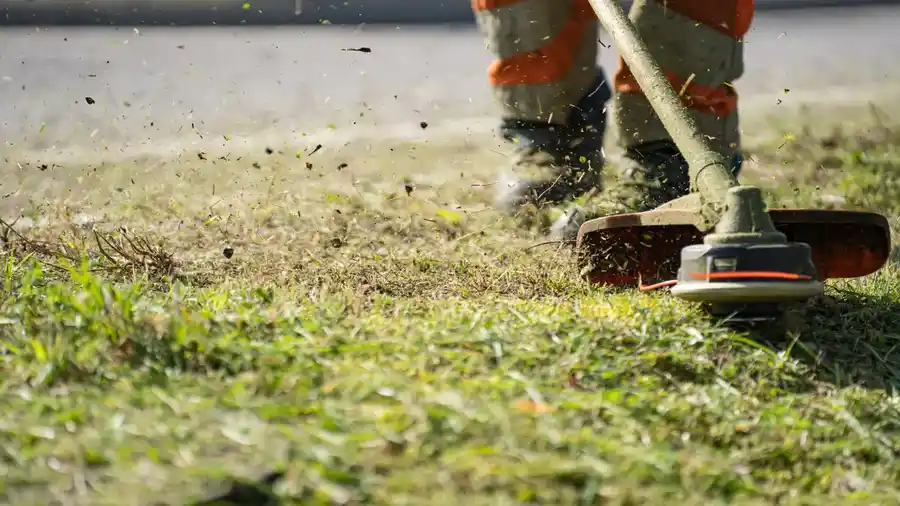
Near the hard edge, the border should stay thinner than the rest of the bed, usually around 2 inches at the finish line. That keeps the strip neat while leaving room for the soil line and edge to show.
After rain, a driveway border tells the truth fast. If the mulch sits high, the first tire splash kicks it into the wheel track and the line starts breaking apart. Lower edging holds shape better and keeps debris off the pavement.
Use these rules at the edge:
- Keep mulch off the hard surface by at least a narrow hand’s width.
- Blend the border down where the bed meets pavement.
- Let the lawn edge stay visible enough for mowing.
- Avoid piling mulch against fence posts, curbs, or paver joints.
A thicker bed deeper inside the border is fine if the planting area needs it, but the finish line near the pavement should stay controlled. The hardscape edge is not the place for a berm.
Dyed mulch causes its own trouble. Dark color can make the edge look sharper, but it also shows every spill on light concrete. So the shaping has to be cleaner; the color will not hide sloppy work.
If you want the border to last through a full growing season, reset the top layer once or twice a year instead of adding more every time it looks thin. Fresh top-up material works better than dumping more onto a bad shape.
What keeps grass from creeping into the border?
A firm edge and regular trimming keep grass out better than a deep pile of mulch. Grass creeps by runners and seed, so the real fix is a clean barrier and a narrow, maintained strip.
Beside a patio, those little green blades threading into the bed usually point to a shape problem, not a mulch problem. If the edge is soft, the lawn will keep trying to cross it. It never really gives up.
Use these maintenance moves:
- Trim the border line every few weeks in the growing season.
- Pull runners as soon as you see them at the edge.
- Rake off grass bits before they root in the mulch.
- Recut the edge when soil starts slumping into the lawn.
Grass that reaches into mulch steals the clean look fast, especially where sprinklers hit the transition strip. If the border stays damp, the runners root even faster.
A common mistake is to solve invasion by adding more mulch. That buries the edge for a while, but it doesn’t stop turf from spreading under the surface. In the long run, it makes the border wider and harder to mow.
If your lawn is especially aggressive, the border needs tighter upkeep, not more bulk. A sharp edge kept to a narrow line is easier to control than a broad one that turns shaggy by midsummer.
What should I do about cleanup at the hardscape line?
Clean up the hardscape line right after spreading so the border looks finished, not spilled. Sweep, check corners, and clear the first 12 inches beside the pavement.
Beside a sidewalk, chips caught in joints and dust along the curb are hard to miss. Leave them there, and they become part of the look. A 5-minute cleanup saves a lot of second-guessing later.
Use this cleanup routine:
- Sweep the hard surface with a stiff broom.
- Blow loose bits away only if the border is dry and the mulch won’t scatter.
- Pick out pieces from paver gaps by hand.
- Check the line after the first rain and touch up any washout.
A broom works better than a blower when the mulch is light or the border sits close to beds with small plants. A blower can send chips where you don’t want them. That’s especially true near a driveway where repeated traffic already stirs the edge.
The line can look fine from the yard and still be sloppy from the walking side. Always check it from the hardscape, because that is where the eye catches the seam.
If the line keeps shedding onto the pavement, the edge is usually too high or too loose. Lower it, firm it, and make the transition flatter. Don’t keep chasing stray pieces with a broom forever.
How do I keep the border neat through the season?
Touch up the edge; don’t rebuild the whole strip. A 15-minute refresh every few weeks is usually enough for a tidy transition strip in active weather.
After a Saturday mow, the border can already look fuzzy again. That usually means the edge softened, the mulch shifted, or the lawn pushed into the line. Small corrections beat a full reset every time.
A simple maintenance rhythm works best:
- Inspect the line after mowing or heavy rain.
- Trim stray grass at the edge before it roots.
- Rake mulch back from the hardscape if it has drifted.
- Top up thin spots only where the soil shows through.
- Recut the edge when the line stops looking sharp.
The border stays neat when the shapes stay simple. Keep the line straight where the hardscape is straight, and use smooth curves only where the bed really turns. A wavy edge beside a straight patio looks accidental.
One honest limitation: if the hardscape is already cracked, uneven, or badly drained, mulch can’t fix that. It will only follow the mess. Before the finish line will hold, the base surface needs repair work.
For broader placement ideas, the hub on mulch application methods covers how this border fit sits inside the larger bed plan. That helps when you’re matching the edge strip to the rest of the mulch work.
What mistakes make a mulch border look bad?
Piling mulch up to the pavement is the biggest mistake, because it invites washout, staining, and grass creep. A border that sits too high is harder to mow against and harder to keep clean.
Trying to finish the line beside a sidewalk gets messy fast when the mulch already sits above the concrete lip. Every sweep pulls material off the bed and into the walkway. That is a shape failure, not just a cleanup problem.
Avoid these errors:
- Too much depth: it smothers the look and makes a berm.
- No edge cut: grass slides into the border fast.
- Spill on pavement: it makes the job look unfinished from day one.
- Flat, wide buildout: it turns the transition into a messy shoulder.
Use a smaller hand shovel and place material in layers if the border is long. That keeps the finish line even and, if the section is uneven or the grade is tricky, it may be worth consulting a professional so you do not overfill one area. If one area needs extra height, build it in the middle of the bed, not at the edge.
A quiet border usually looks best. If it calls attention to itself, it probably has too much material or too little edge. Plain and tidy beats flashy here.
FAQ
How do you keep grass out of a border bed?
Cut a firm edge and maintain it regularly. Mulch alone won’t stop runners from a lawn if the border line is soft. Recut the edge, pull invading strands, and keep the strip narrow so the turf has less room to move.
What edge works best where mulch meets concrete?
A clean spade-cut edge usually works best where mulch meets concrete because it is easy to see, easy to refresh, and easy to trim against. A sharp line matters more than a deep buildout. If the surface shifts a lot, the edge will need more frequent cleanup.
How do you keep a mulch border neat?
Keep it neat by stopping the mulch short of the hardscape, brushing off spill right away, and touching up the edge after rain or mowing. A small amount of maintenance beats a full redo. The line stays sharp when the shape stays simple.
Should mulch touch the patio or driveway?
No, mulch should not crowd the patio or driveway edge. A tight line against hardscape traps debris and makes cleanup harder. Leave a controlled finish line and taper the border so the transition looks deliberate.
Drafted with AI; not yet reviewed by a person.
Leave a Reply