Last updated: October 30, 2026
Key Takeaways
- Mulch replacement timing changes by yard zone, because sun, moisture, and traffic wear it down differently.
- Front yard beds often need mulch refreshed every 12 to 18 months.
- Shade beds often last about 18 to 24 months before replacement or renewal.
- Pathways usually need the quickest mulch cycle, often every season or within 6 to 12 months.
Mulch replacement in How Often Should You Replace Mulch in Different Parts of the Yard? is not a once-a-year rule. In most yards, the answer depends on where the mulch sits: front yard beds usually need a refresh every 12 to 18 months, shade beds often last a little longer, and pathways break down or scatter sooner because of foot traffic.
The mulch replacement cycle by yard zone
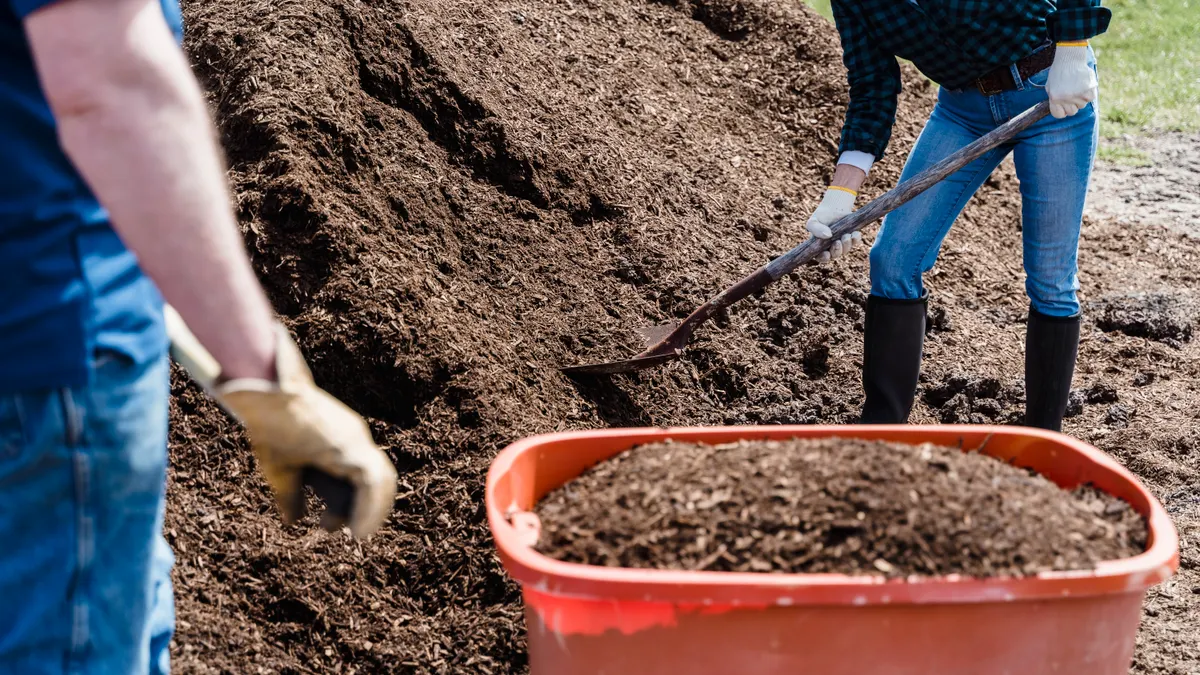
The mulch replacement cycle in How Often Should You Replace Mulch in Different Parts of the Yard? is different in a front yard bed, a shade bed, and a pathway because sunlight, moisture, and traffic wear mulch down at different speeds. Organic mulch in a sheltered bed may hold up for about 1 to 2 years before it needs a full replacement, while the same material in a busy path can look tired in a single season.
Therefore, think of replacement as a zone-by-zone job, not a calendar event. A front yard bed faces more sun and wind than a back corner planting bed, so it dries, fades, and thins faster. A shade bed keeps moisture longer, which slows fading but can encourage matting if the mulch stays damp too long. A pathway can take the roughest treatment: people kick it, compress it, and move it around with each pass, so a professional may recommend closer inspection there. See the Missouri Botanical Garden and Penn State Extension for general mulch-care guidance.
If you want a simple rule, start here:
- Front yard bed: inspect every spring; replace or renew about every 12 to 18 months.
- Shade bed: inspect every spring; full replacement is often closer to every 18 to 24 months.
- Pathway: inspect every few months; top up or rake back into place as needed, and expect faster replacement than in beds.
- High-traffic zones: plan on the shortest cycle in the yard, because traffic beats weather most of the time.
The material matters too. Fine shredded organic mulch breaks down faster than larger bark pieces. Pine straw, wood chips, and shredded bark all age at different rates, but the big question is the same: is the mulch still doing its job of covering soil, suppressing weeds, and protecting roots? If the answer is no, the cycle is already over for that spot.
A quick check before you buy more saves wasted work. If the surface still has good color, a loose texture, and enough coverage to block light, you probably need a top-up rather than a full replacement. If it has crusted, matted, or thinned to the point that soil shows through everywhere, replace it.
How often should you replace mulch in a front yard bed?
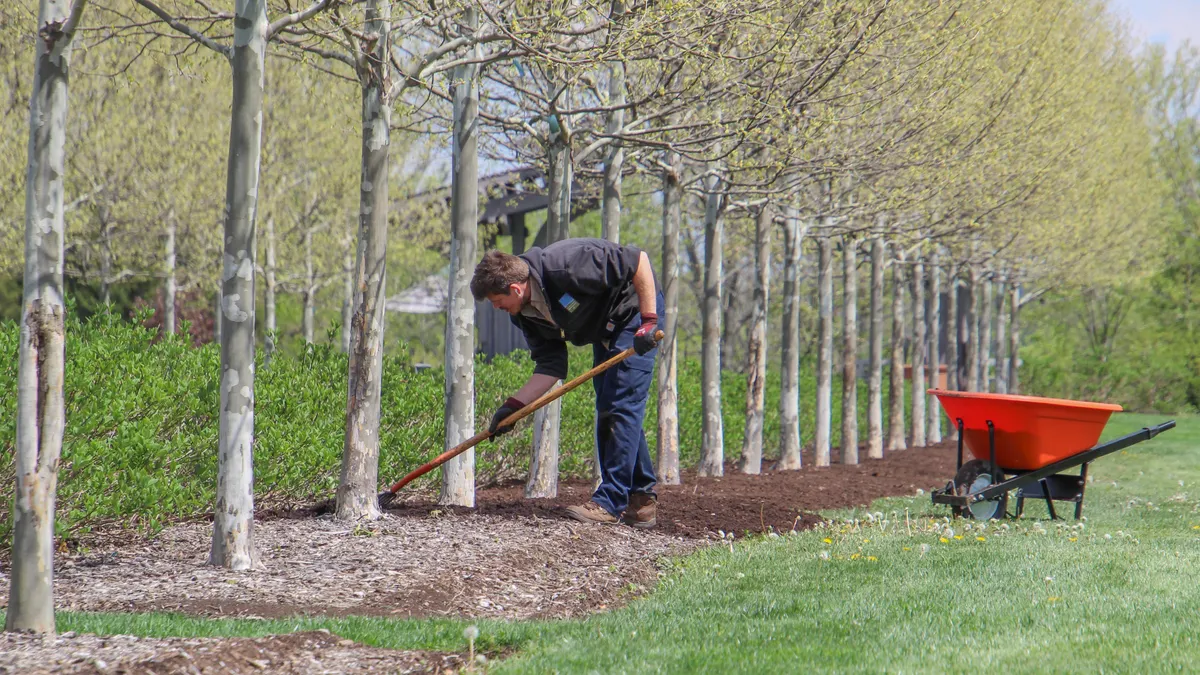
A front yard bed usually needs mulch replaced or refreshed every 12 to 18 months. That is the zone that tends to show wear first because it gets direct sun, wind, curb splash, and more visual scrutiny than the rest of the yard.
The front yard is where mulch has to look tidy as well as function well. Sunlight fades dark mulch. Wind moves lighter material. Street runoff can splash soil onto the surface and make fresh mulch look old before the season is over. If the bed borders a sidewalk or driveway, the edge often breaks down faster than the center, so the bed can look uneven even when the total depth seems acceptable.
Here is a practical way to handle it:
- Check the bed in early spring and again in late summer. A spring check catches winter compaction; a late-summer check shows what heat and sun have done.
- Rake the top layer lightly. If the surface loosens and looks mostly intact, you may only need a top-up.
- Look for color loss, bare spots, and soil exposure. A few faded chips are normal; widespread exposure means the mulch is no longer doing its job.
- Refresh the most visible sections first. The strip along the sidewalk or street usually needs attention before the center of the bed.
- Replace the whole layer when the mulch has broken down into fine pieces or clumps. At that point, topping up only hides the problem for a short time.
This is not the right schedule for every front bed. A bed under a porch overhang or deep tree canopy can hold mulch longer than a bed in full western sun. If the bed uses organic mulch and gets reflected heat from brick, stone, or pavement, expect the shorter end of the range.
One common mistake is waiting until the mulch looks gray and stringy everywhere. That costs more in the long run because weeds get established, and the bed takes more labor to reset. A smaller top-up done on time is easier than a full cleanup after neglect.
How often should you replace mulch in a shade bed?
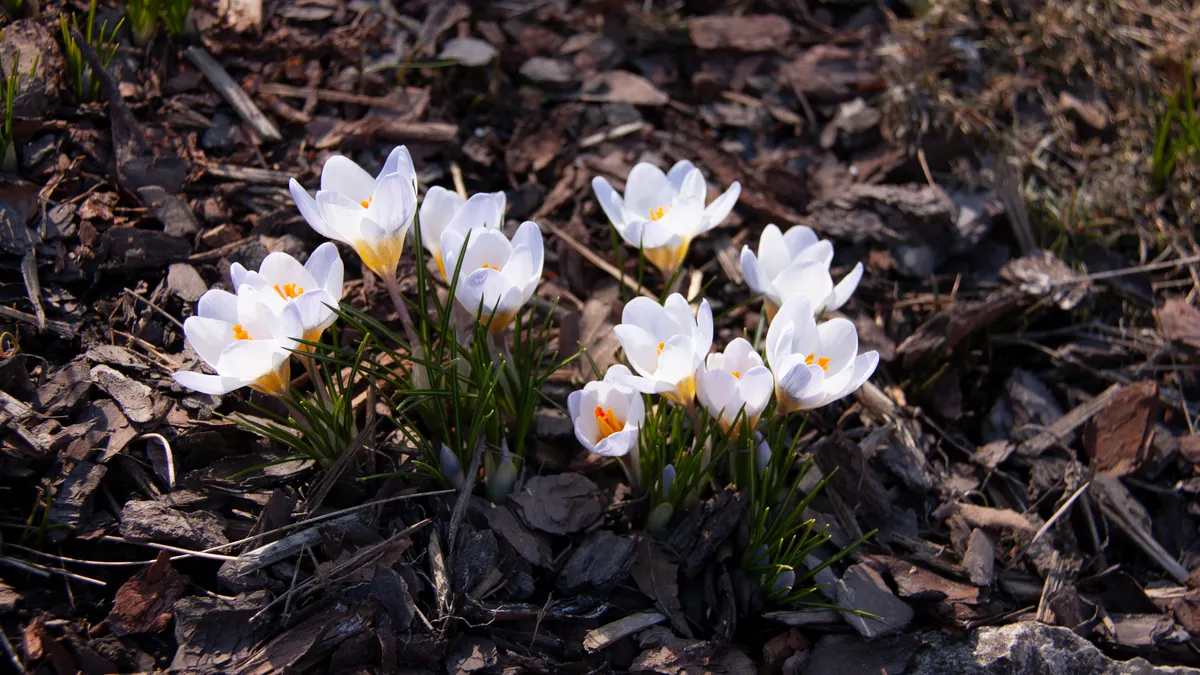
A shade bed often needs mulch replaced every 18 to 24 months, because less sun means slower fading and less surface drying. That slower breakdown is helpful, but shade also keeps moisture around longer, so the mulch can mat together instead of quietly disappearing.
This is where people often misread the bed. Shaded mulch may still look dark and serviceable while the bottom layer has already become compacted. That compacted layer blocks air movement and can hold moisture against the soil surface. In a bed with hostas, ferns, azaleas, or other shade plants, the mulch can appear fine while the root zone underneath is becoming too tight and wet.
The goal in a shade bed is not endless mulch depth. It is a stable surface that still breathes. If the mulch is holding together like a crust, or if you can lift it and find a slimy, matted layer below, replacement makes more sense than another thin sprinkle on top.
A shade bed usually needs less frequent replacement when:
- it sits under mature trees rather than against a building wall,
- it gets some air movement,
- and the mulch is coarse enough to stay open.
A shade bed usually needs faster replacement when:
- it stays wet after rain for more than a day or two,
- it is packed under shrubs with little airflow,
- or it has been topped up repeatedly without ever being turned or removed.
Because of that, a yearly spring inspection and a full replacement every other year can work if the mulch still looks structurally sound. That is especially true for organic mulch, which continues breaking down whether you see it or not. If the bed is mostly ornamental and not heavily planted, a top-up may be enough between full replacements. If the bed is dense with shrubs and perennials, keep a closer eye on the surface because hidden compaction tends to start near the plant crowns.
A shade bed is not a good place to keep adding mulch forever. Too much layering can trap moisture and blur the edge between mulch and soil. If the bed needs attention every season, the real fix is usually a full reset, not a thicker cover.
How often should you replace mulch on a pathway?
A pathway usually needs the shortest mulch replacement cycle in the yard, often every season or at least every 6 to 12 months, depending on traffic and material. Foot traffic, wheels, pets, and edging all move mulch around faster than weather does.
Paths wear out in a different way from beds. The surface gets flattened, scattered, or kicked aside. In a narrow path, even one person walking the same route every day can create a trough in the center and pushed-up ridges on both sides. If the path borders a lawn, grass clippings and soil can mix into the mulch and shorten its useful life.
The most useful habit here is not full replacement every time. It is regular correction. A path usually needs:
- raking back into shape after heavy use,
- topping up when the surface thins,
- and full replacement when the material becomes muddy, compacted, or visibly mixed with soil.
If the path is made from organic mulch, expect faster breakdown than in a planting bed. The same is true if the path gets direct sun all day, because heat dries and fades the material while foot traffic grinds it down. A shaded path can last a bit longer, but damp conditions can make it slick and matted, which is its own problem.
This is the place where a generic mulch schedule fails. A path does not age like a border bed. The useful question is not “Has a year passed?” The useful question is “Does the path still stay defined and comfortable to walk on?” If the answer is no, the path needs attention even if the mulch is not fully decomposed.
The biggest mistake is letting a path get so thin that weeds and soil start mixing through it. At that stage, you are no longer maintaining mulch; you are rebuilding the path surface. That costs more labor and usually looks worse for longer.
How does organic mulch change the replacement schedule?
Organic mulch usually needs replacement or renewal sooner than inorganic ground cover because it breaks down into smaller pieces over time. That breakdown is useful in beds, but it also means the mulch cycle is shorter, especially in sunny or high-traffic spots.
Organic mulch includes materials like shredded bark, wood chips, pine straw, and similar plant-based products. These materials slowly feed the soil as they age, but they also lose structure. As that structure disappears, the mulch stops shading soil effectively, becomes patchy, and may form a matted layer. That is why a bed with organic mulch often needs a top-up schedule rather than a one-and-done installation.
The rule changes by placement:
- Front yard bed: expect the shortest useful life if the bed is exposed.
- Shade bed: expect slower fading, but still plan for periodic renewal.
- Pathway: expect faster wear, because traffic breaks organic mulch down mechanically.
The material itself matters as much as the location. Fine shredded mulch typically decomposes faster than larger bark nuggets. Pine straw can look neat for a while, then thin out quickly in windy areas. Wood chips often hold shape longer, especially if they are coarse, but they still settle and break down. The more refined the texture, the shorter the cycle tends to be.
There is a trade-off here that readers often miss. Organic mulch is attractive because it improves soil over time, but that same breakdown means it is a maintenance material, not a permanent finish. If you want the cleanest appearance with fewer replacements, you will likely need to accept a coarser product or a less decorative look. If you want a finer finish, plan on replacing it more often.
A practical top-up schedule for organic mulch is to inspect it at least once a year and refresh the weak spots before the whole bed fails. That approach keeps the yard looking cared for without stripping out still-useful material every season.
What signs mean mulch needs replacing now?
Mulch needs replacing now when it has stopped covering soil evenly, lost its structure, or begun to interfere with plant health or walkability. The calendar matters less than the condition of the surface.
The clearest signs are easy to spot:
- Bare soil showing through in several areas
- Mulch that looks gray, faded, or dusty
- A matted surface that no longer loosens with a rake
- Clumps, crusting, or a slimy layer under the top surface
- Weeds coming through more easily than before
- Pathways that no longer hold their shape
If you see only one of those signs, a top-up may be enough. If you see several at once, replacement is the better call. The difference matters because a shallow refresh hides symptoms, while a full replacement resets the bed.
A simple replacement routine looks like this:
- Walk the yard and mark the weak spots. Use small flags or note the areas mentally, especially where sun, wind, or foot traffic is strongest.
- Rake and fluff the surface. A dry, loose layer that springs back can often be saved with a top-up.
- Check the thickness of the remaining material. If the mulch is broken into fine pieces or soil is visible across large patches, plan a replacement.
- Remove the worst sections before adding new material. This keeps old, compacted mulch from sitting under fresh mulch and trapping moisture.
- Match the replacement to the zone. Use a longer-lasting, coarser material in busy areas and a cleaner finish where appearance matters most.
The mistake that can cost the most is treating every yard zone the same, so a professional may be worth consulting if the bed, path, and exposed areas all age differently. A front yard bed and a pathway do not age on the same timetable. If you use one blanket schedule, you will either replace too early in sheltered beds or too late in high-traffic spots.
If you are mapping how much material a bed will need when it is time to refresh, the companion guide on how to calculate mulch needed for any garden bed belongs next to this one.
The right replacement rhythm for most yards
The right rhythm for most yards is an annual check, a 12- to 18-month refresh for exposed front beds, a 18- to 24-month cycle for shade beds, and faster attention for pathways and other high-traffic zones. That schedule keeps the yard looking finished without replacing mulch on a fixed date that ignores location.
If the yard uses organic mulch, the cycle should be shorter in places that get sun, wind, or foot traffic. If the mulch is still loose, evenly colored enough, and covering the soil well, a top-up is enough. If it is compacted, thin, or blended with soil, replacement is overdue.
Because of that, the biggest advantage of zone-based timing is that it can prevent wasted work when used with local conditions in mind. You do not need to strip every bed every year. You do need to watch the places that break down first and act before weeds and compaction take over.
Does mulch need to be replaced every year?
No, mulch does not always need to be replaced every year. A shaded bed may go closer to 18 or 24 months, while a front yard bed or pathway can need attention sooner if sun and traffic are heavy. The condition of the mulch matters more than the calendar.
How do I know when mulch has broken down?
Mulch has broken down when it no longer looks like distinct pieces, when it mats into a crust, or when soil shows through in several places. If a rake barely lifts it, or if weeds and debris are mixing into it instead of sitting on top, the mulch has reached the end of its useful cycle.
Drafted with AI; not yet reviewed by a person.
Leave a Reply