Last updated: October 31, 2026
Quick answer: to estimate mulch for raised beds and planter boxes, use the inside length, inside width, and desired mulch depth; then multiply length × width × depth in feet to get cubic feet.
If you are filling a raised bed or planter box with mulch, estimate it from the bed’s inside length, inside width, and the depth you want above the soil line. Use the interior dimensions, not the outside footprint, because the wood frame changes the amount you actually cover. This guide explains How to Estimate Mulch for Raised Beds and Planter Boxes with the same measurement method throughout.
A quick rule: multiply length × width × mulch depth in feet to get cubic feet, then convert to cubic yards if you are ordering in bulk. For the simplest estimate, treat a raised bed like a shallow rectangle and a planter box like the same shape with visible walls; if the shape is unusual or the walls are thick, consult a professional or a reliable supplier guide before ordering. University Extension guidance on raised-bed layout and measurement is a good reference for this kind of planning, and local nursery suppliers can also help with odd shapes.
Start with the inside dimensions of the raised bed
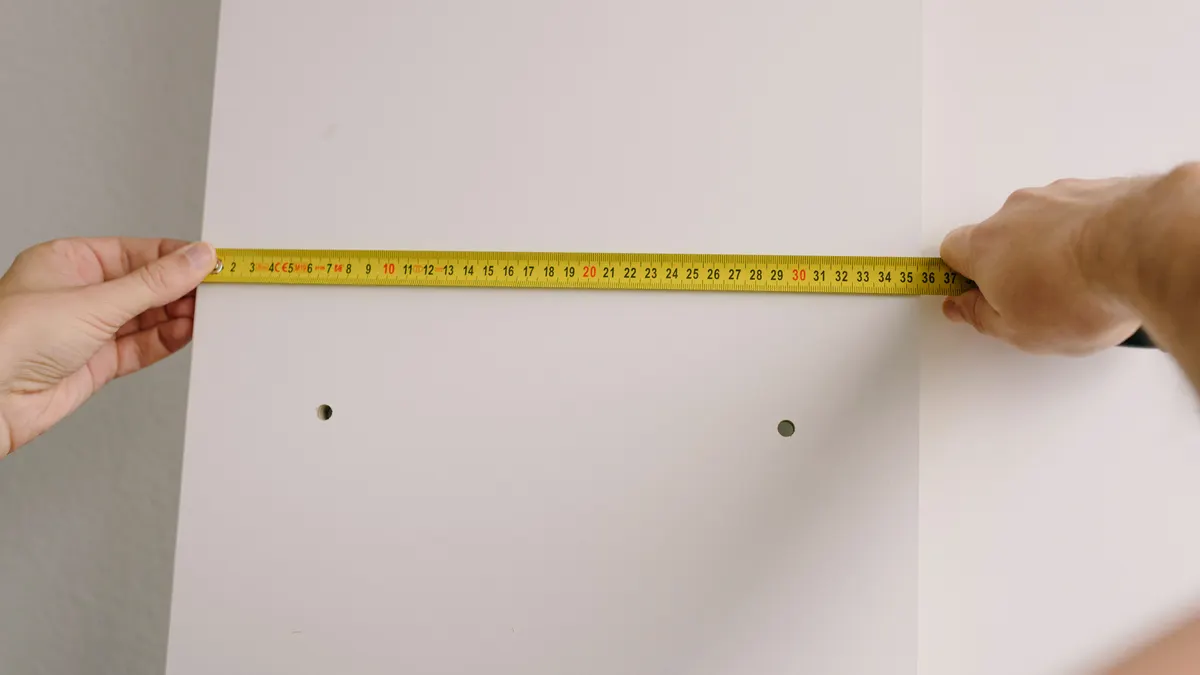
The inside dimensions give you the real surface area to cover, and they are the numbers that matter for a wood frame or any other enclosed bed. If the outside of the box is 8 feet by 4 feet but the walls are 1 inch thick, using the outside size will overstate the mulch you need.
Measure the inside length and inside width from wall to wall. If the bed has corners that pinch in, measure the narrowest usable interior span. That keeps the estimate honest for a planter box with braces, posts, or a lip at the top.
For a rectangle, the area formula is simple:
- Area in square feet = inside length × inside width
A raised bed that is 6 feet long and 3 feet wide has 18 square feet of surface inside the frame. A planter box that is 4 feet by 2 feet has 8 square feet. Those numbers do not tell you the mulch yet, but they set the base for the depth calculation.
If the bed is not a perfect rectangle, break it into smaller rectangles and estimate each section separately. A long L-shaped bed made of two 3-by-4-foot sections is easier to calculate as 12 square feet plus 12 square feet than as one awkward shape.
This is the point where many people go wrong: they measure the whole outdoor footprint and forget the wood frame takes up space. The error is small in a large bed and larger in a narrow planter box with thick walls. If the side boards are chunky, inside measurement is the safer choice every time; when the shape is irregular, consult a professional or supplier to confirm the usable area.
How deep should mulch be in a planter box?
Mulch depth is what turns square feet into cubic feet, and the right depth depends on whether you want a surface layer or you are also filling space inside the container. For a finished top layer, a common estimate is 1 to 3 inches above the soil line, with finer mulch usually used thinner and coarser mulch laid a bit deeper.
The key difference in a raised bed is this: you are not estimating the whole fill volume unless the bed is empty and you are using mulch as part of the fill. Most of the time, you are estimating only the border mulch vs. fill mulch situation—what sits on top of the soil, not what replaces soil.
Use this depth guide:
- 1 inch for a light topping
- 2 inches for most beds
- 3 inches for coarse material or weeds that need stronger coverage
A deeper layer blocks more light and lasts longer, but too much mulch can smother tender stems, hold excess moisture, and make a planter box look overfilled. The practical target is usually 2 inches, not 4 inches. If the mulch is pine bark nuggets, straw, or another airy product, the visual depth may settle faster than the measured depth. Oregon State University Extension and the University of Minnesota Extension both note that mulch depth depends on material and use, which is why depth choices should stay conservative around plants.
If your bed is being filled for the first time, the calculation changes. Then you estimate the volume below the soil line, not just the mulch layer. That is a different job than topping off an established raised bed, and it belongs to a fill-depth calculation, not a surface-mulch estimate.
Estimate mulch for raised beds with one simple formula
You can estimate mulch for a raised bed with one formula and one conversion, and it works well for planter boxes too. Multiply the inside area by the mulch depth in feet, then convert cubic feet to cubic yards if needed.
Use this formula:
- Cubic feet = inside length × inside width × mulch depth
- Convert inches to feet first by dividing by 12
Example: a 6-by-3-foot raised bed with a 2-inch mulch layer.
- Length: 6 feet
- Width: 3 feet
- Depth: 2 inches = 0.167 feet
6 × 3 × 0.167 = 3.0 cubic feet
That means the bed needs about 3 cubic feet of mulch for a 2-inch layer. If you want 3 inches instead:
- 6 × 3 × 0.25 = 4.5 cubic feet
For a smaller planter box that is 4 feet by 2 feet with a 2-inch layer:
- 4 × 2 × 0.167 = 1.33 cubic feet
That is enough for a shallow top dressing, but not much more. A box that small can be easy to overbuy if you round too early.
If you need cubic yards, divide cubic feet by 27. A 3-cubic-foot estimate is about 0.11 cubic yards. Most home garden orders are rounded up, because bulk mulch is usually sold in cubic yards and delivery loads do not split neatly into fractions.
A plain calculator or phone calculator is enough for this. The inch-to-foot conversion is the part to check carefully, because skipping it can distort the order size.
What changes when the bed has a wood frame?
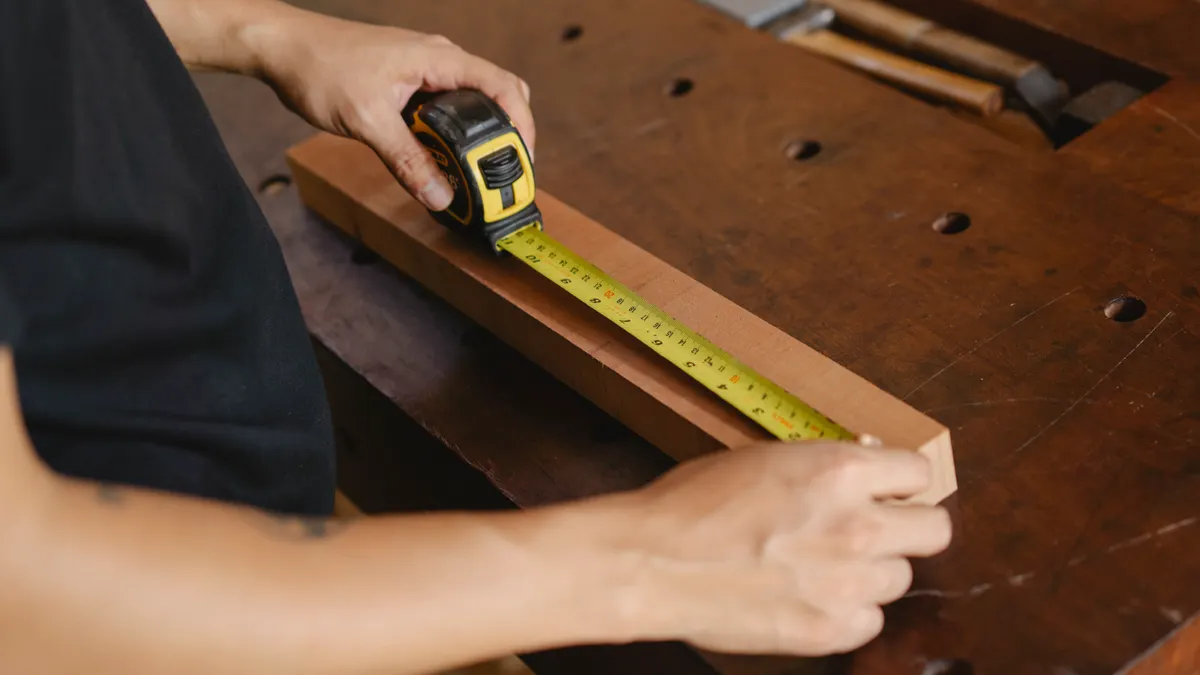
A wood frame changes the estimate because it limits the interior area and can also change the visible depth at the soil line. A 2-by-8 frame, for example, is not the same as an open garden patch with the same outside dimensions.
First, use the inside dimensions of the wood frame, not the outside board length. Second, decide whether the mulch starts at the soil line or whether the bed is being topped off to the top edge. Those are different jobs.
If the mulch is meant to sit above the soil, measure the distance from the soil line to the desired top of mulch. If the bed is already full to the top edge, the mulch layer is simply the amount you want to add on top. A 1-inch lip and a 2-inch mulch layer are not the same as a 3-inch mulch layer starting from a lower soil line.
Wood frames also matter because they often hold the material in a neat rectangle. That makes the estimate easier than for open ground, where mulch can feather out at the edges. A planter box gives you a clean boundary, so the inside measurement is usually more reliable than guessing from the outside edge. University Extension guidance on raised beds and container dimensions supports using the working interior space rather than the outer frame.
There is one trade-off here. A thicker mulch layer looks tidy and suppresses weeds better, but in a shallow planter box it can crowd young plants and reduce the usable depth around stems. If the box is small, a 1-inch layer may be a better fit than a heavy 3-inch layer.
For long-term planning, a wood frame often means less waste at the edges. For a first-order estimate, though, the real decision is still the same: measure the inside, choose a depth, calculate the volume.
Border mulch vs. fill mulch: do not mix them up
Border mulch covers the surface inside the raised bed, while fill mulch is part of the volume inside an empty box, and the two are not interchangeable. If you mix them up, you can buy too little or way too much.
Border mulch is the common case. You already have soil in the bed, and the mulch goes on top as a 1- to 3-inch layer. The calculation uses the surface area only, so a 5-by-4-foot bed at 2 inches needs about 3.33 cubic feet.
Fill mulch is different. If the planter box is empty and you plan to use a mulch-like material as part of the fill, you need the box’s interior length, width, and fill depth. That turns the estimate into a volume calculation, not a top-dressing calculation. A box that is 4 feet by 2 feet by 1 foot deep holds 8 cubic feet before any soil settles.
This distinction matters because people often ask for “mulch” when they really mean “material to fill a bed.” Those are not the same product in practice. Mulch is usually a surface cover. Soil, compost, and blended fill materials are what build depth below the soil line.
If your project includes both, estimate them separately:
- Fill the bed to the intended soil level.
- Measure the exposed surface.
- Add the mulch layer on top.
That keeps the raised bed from ending up too full, and it stops you from using the mulch estimate as if it were the whole bed volume.
A quick checklist for getting the number right the first time
The right estimate comes from four checks: inside size, depth, unit conversion, and shape. Miss one of them and the number slips.
Use this order:
- Measure the inside length and width of the raised bed or planter box in feet.
- Choose a mulch depth in inches, usually 1, 2, or 3.
- Convert inches to feet by dividing by 12.
- Multiply length × width × depth to get cubic feet.
- Divide by 27 if you need cubic yards.
- Round up slightly if the bed edges are irregular or the mulch is coarse and settles.
A 7-by-2-foot planter box at 2 inches deep works out to 7 × 2 × 0.167 = 2.34 cubic feet. A 6-by-6-foot raised bed at 1 inch deep works out to 6 × 6 × 0.083 = 2.99 cubic feet. Those are the kinds of numbers a phone calculator handles in seconds.
Do not round the depth first if you want accuracy. Two inches is 0.167 feet, not 0.2 feet. That small difference becomes more noticeable in larger beds or when several planter boxes are involved.
This page fits the broader soil and mulch calculator basics guide, which is the right place to compare measurement methods across bed types. Here, the job is narrower: get the size right for enclosed growing structures with a wood frame and a known soil line.
Common mistakes that waste mulch
The most common mistake is using the outside dimensions of the bed, and it wastes material by inflating the area. In a narrow planter box, that can mean the difference between one small bag and a noticeably larger order.
Another mistake is treating every bed like a flat garden patch. Raised beds have walls, corners, and sometimes a visible lip that changes what area actually gets covered. The inside of the box is the working surface.
A third mistake is skipping the depth conversion. A 2-inch layer sounds small, but it is not the same as 2 feet. That difference matters on paper and in a bulk order.
A fourth mistake is mixing up mulch and fill. If the bed is empty, people sometimes estimate only the top layer and forget the volume below it. If the bed is already planted, they sometimes estimate the whole box as if it were fill material. Those are opposite errors, and both cost money.
The safest habit is to write the numbers in this order on scrap paper or in a note app:
- inside length
- inside width
- target depth
- cubic feet
- cubic yards if needed
That takes less than 2 minutes and avoids most overbuying. If the shape is irregular, split it into rectangles and calculate each one separately instead of guessing at the whole thing.
Key takeaways
- Measure the bed from the inside walls, not the outside boards.
- Pick the mulch depth first, usually 1 to 3 inches, then convert that depth into feet.
- Use length × width × depth to get cubic feet for a raised bed or planter box.
- Keep surface mulch separate from fill material; they are not the same calculation.
- A wood frame makes the boundary clearer, but it also makes inside dimensions the only ones that count.
Do raised beds need a different mulch calculation?
Yes, because the inside dimensions matter more than the outside footprint. A raised bed or planter box has walls that take up space, so the usable surface is smaller than the overall shape. The math is still length times width times depth, but the measurement point changes.
Should I measure the inside or outside of a planter box?
Measure the inside. The inside length and width tell you how much surface you are actually covering, and the wood frame reduces the usable area. Outside measurements are only useful if you are ordering the box itself, not the mulch for it.
Drafted with AI; not yet reviewed by a person.
Leave a Reply