Last updated: November 05, 2026
Quick Answer: for How to Estimate Mulch for Beds with Plant Islands and Open Voids, start with the full bed area, subtract islands and open voids, then convert the net square feet to cubic feet; for a bed like the example below, 100 square feet at 2 inches deep needs 16.7 cubic feet of mulch.
Plant islands and open voids change the mulch math because you subtract the empty areas first, then convert the net square feet into cubic feet. The steps below show exactly how to do that without overbuying mulch bags.
Key Takeaways
- Start with the bed’s full footprint, then remove each plant island and open void before you calculate depth.
- Work in square feet first, then convert to cubic feet after you choose the mulch depth.
- A bed with large internal gaps needs a net-area estimate, not a plain length-times-width guess.
- Small islands are easy to miss; even one missed void can throw off a bag count.
- A little extra mulch is often better than ending up short.
How do you measure a bed with plant islands and open voids?
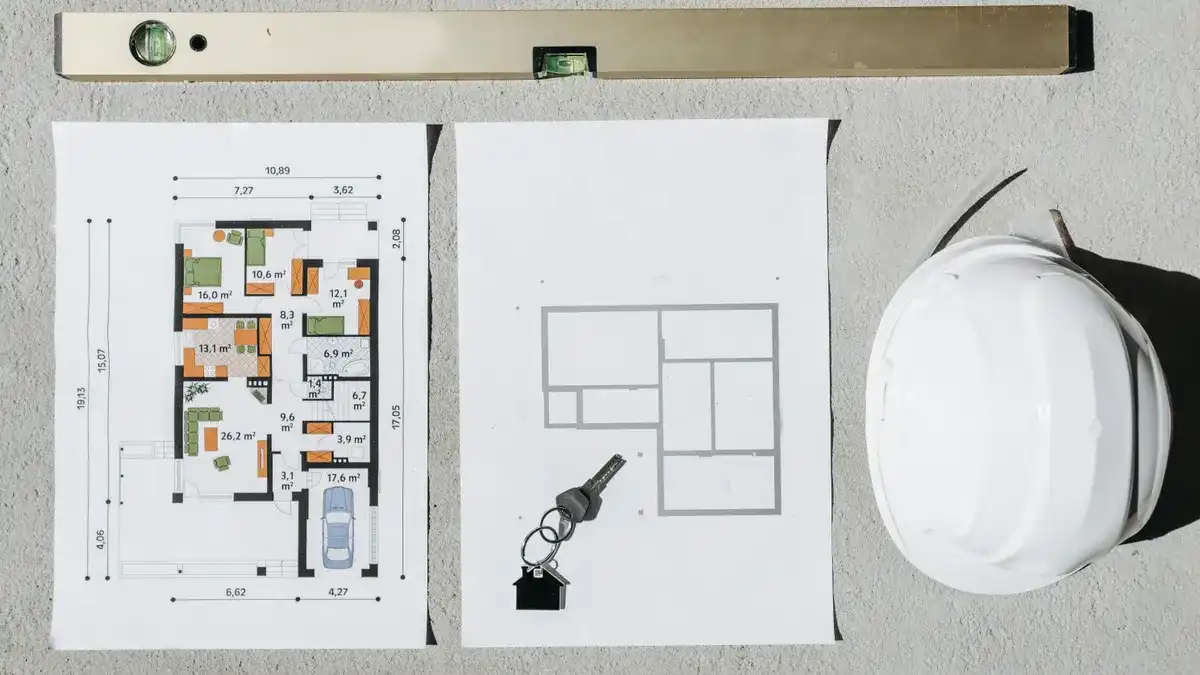
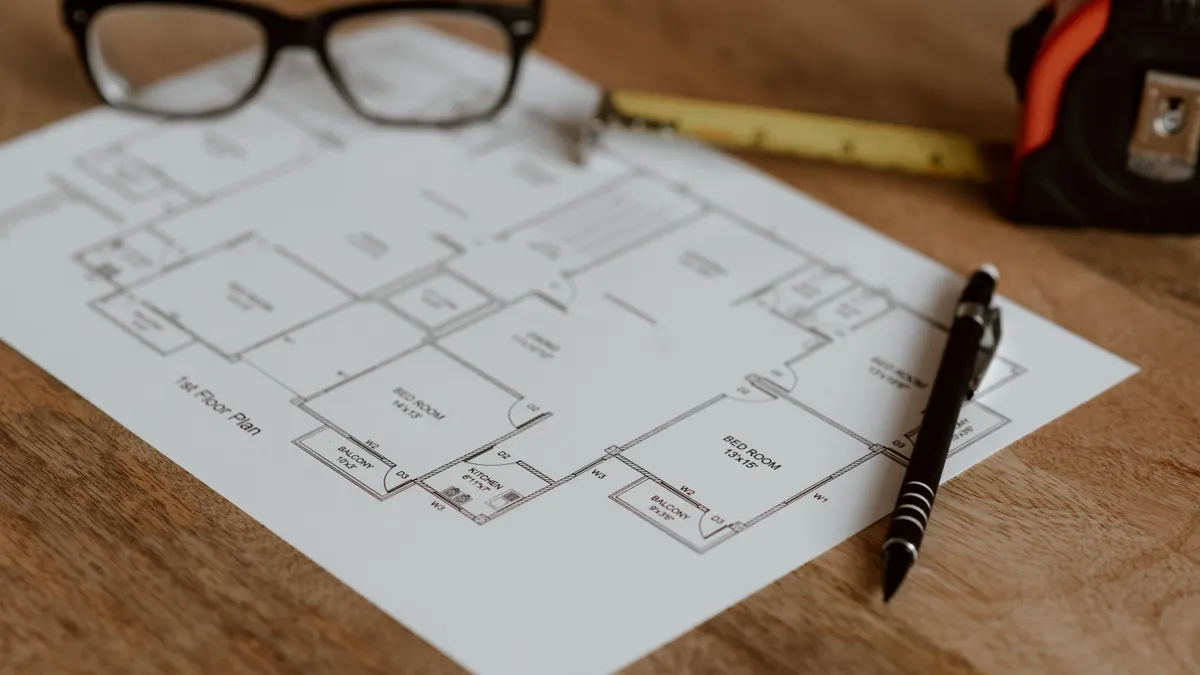
Measure the full bed first, then subtract every plant island and open void to get the net coverage area. That net area is the number you use for mulch depth and bag count, and it keeps you from buying mulch for spaces that will stay bare. For related measuring basics, see the measurements hub and the mulch calculator.
Picture this: you’re standing over a planting bed with shrubs, a few mulch-free circles, and open pockets where the soil shows through. You need one number that reflects what will actually get covered, not the shape you wish the bed had. Here is the catch: the calculator only works if the voids come out before the volume step.
- Tape measure the outer bed edges and write down the full area in square feet.
- Measure each plant island or open void separately in square feet.
- Subtract the island and void areas from the total bed area.
- Choose your mulch depth, usually in inches.
- Convert the net square feet into cubic feet for mulch bags.
A bed that measures 120 square feet on paper may only need mulch for 95 square feet after subtraction. That gap matters, especially when you’re buying by the bag instead of by the cubic yard. The result is a cleaner estimate and less wasted mulch.
Use one simple formula
Use this formula for a bed with internal gaps:
Net mulch area = total bed area – plant islands – open voids
If you already know your depth, the mulch volume is:
Cubic feet = net square feet × depth in inches ÷ 12
That second step is the bridge between surface area and bag count. A 2-inch layer over 100 square feet is not the same as a 3-inch layer, so keep the depth written down before you buy anything. For general landscape math, the landscaping basics guide can help you check the unit setup.
What counts as a void in a mulch calculation?
A void is any space inside the bed that you do not plan to mulch. That includes a bare patch, a planting pocket left open on purpose, or a decorative gap that stays uncovered around a feature.
Picture this: you’re looking at a bed with shrubs on the outside and two bare circles inside the footprint. Those circles are not part of the mulch area, even though they sit inside the bed border. The bed still counts as one bed, but the voids come off the total.
Use this rule set:
- Count it as a void if mulch will not go there.
- Count it as an island if a plant occupies the space and needs a mulch-free ring or a tight mulch edge.
- Do not count paths, gravel pads, or patio strips as mulch area.
- Keep separate notes for each void if the shapes differ.
The useful habit is simple: sketch the bed and mark each empty patch with a label. That turns guesswork into a subtraction list. If you skip this, the estimate usually runs high, and the extra mulch sits in a pile while you hunt for a place to use it.
The mistake to avoid
The common mistake is treating the bed outline as if every inch will be mulched. That overstates the job and can leave you with several unused bags. On a small bed, even one 4-by-4-foot void changes the count enough to matter, so if the shape is complicated, consult a landscape professional or check a proven measurement guide before buying. The mulch calculator can also help you test the estimate.
Subtracting plant islands without wrecking the estimate
Subtract plant islands by measuring each one as its own shape, then removing only the area that stays mulch-free. If the island has mulch around it, measure the island footprint, not the ring around it.
Picture this: you’re measuring around a tree, a clump of lilies, or a shrub island that sits inside the bed. The island is not part of the mulch zone if you intend to keep that space open. The key is to separate the plant footprint from the surrounding bed before you total the square feet.
A practical way to do it:
- Circle islands: measure the diameter, then estimate the area as a circle.
- Rectangle islands: use length times width.
- Odd islands: break them into smaller rectangles or circles and add them up.
If a tree island is 3 feet across, you do not need a perfect botanical drawing. You need a usable area that you can subtract. A quick hand sketch with dimensions is enough for most residential beds.
Why this matters
An island inside a 200-square-foot bed can change the bag count enough to matter, especially when you are aiming for a 2-inch or 3-inch depth. The smaller the bed, the bigger the error from one missed island.
For a clean estimate, use the same method for every island in the bed. If you measure one as a circle and another as a rectangle, that is fine — just write the units next to each so you do not double count. If the layout is irregular, a landscape contractor can help verify the math before you order.
How to turn net square feet into cubic feet of mulch
Turn net square feet into cubic feet by multiplying the cleaned-up area by depth in inches, then dividing by 12. That gives you the mulch volume you need before you translate it into bags or bulk.
Picture this: you have already subtracted the islands and voids, and now you are staring at a number like 88 square feet. The next job is depth. A 2-inch layer needs less mulch than a 3-inch layer, and the math changes fast once the bed gets wider.
Use this conversion:
- 2 inches deep = net square feet × 2 ÷ 12
- 3 inches deep = net square feet × 3 ÷ 12
- 4 inches deep = net square feet × 4 ÷ 12
That gives cubic feet, which is the common bag label on retail mulch. If the bag size is listed in cubic feet, you can divide the total cubic feet you need by the bag size and round up. Rounding down is how people end up short. For conversion checks, see the mulch calculator and the measurements hub.
A quick worked example
Say the full bed is 150 square feet. You subtract 30 square feet of islands and 20 square feet of open voids, leaving 100 square feet net.
- At 2 inches deep: 100 × 2 ÷ 12 = 16.7 cubic feet
- At 3 inches deep: 100 × 3 ÷ 12 = 25 cubic feet
That difference is not small. It is the kind of gap that changes whether you buy a few bags or a full load. If the bed has several voids, the net area matters more than the shape of the perimeter. The landscaping basics guide has more on unit checks if you want to confirm the setup.
How do you measure around open spaces in a bed?
Measure around open spaces by breaking the bed into simple parts and subtracting each open space separately. That keeps the outer shape intact while still removing the holes inside it.
Picture this: you’re working on a bed that wraps around a patio corner, with a bare square in the middle and a plant island near one end. The easiest mistake is to try to solve the whole bed in one shot. That often leads to bad guesses and a mulch order that is too big or too small.
Do this instead:
- Sketch the whole bed on paper.
- Mark each open space with a label.
- Measure the outer sections one at a time.
- Subtract each void from the matching section.
- Add the remaining areas together.
This method works well when the bed is broken into zones by concrete, edging, or planted pockets. It also helps if one void is much larger than the others. You can treat the bed like a set of smaller beds, then total them at the end, and if the layout is tricky, consult a landscape professional or a detailed measurement guide before you place the order.
A plain-language rule
If a space stays empty, it should not stay in the mulch number. That is the entire rule. The only trick is making sure you catch every open patch before you buy mulch bags, so keep a sketch and a final check list beside the order.
For a more general planning framework, the hub on planning and measurement fundamentals is the right companion page to keep open beside this one.
Common mistakes that throw off mulch bag counts
The most common mistake is using the full bed footprint and forgetting the voids. That inflates the estimate and leaves extra mulch behind, often by enough to matter when you are buying in 2-cubic-foot bags.
Picture this: you’re near the end of the job and you still have three sealed bags left because the island area never came out of the math. This is avoidable. Most bad estimates come from skipping one of three things: a void, an island, or the mulch depth.
Watch for these errors:
- Guessing the islands instead of measuring them.
- Mixing square feet and cubic feet too early.
- Forgetting depth changes when the bed needs a thicker layer.
- Ignoring repeated voids in different parts of the bed.
The fix is simple. Measure first, subtract second, convert third. If you keep those steps in order, the bag count gets much closer to reality.
When to slow down
If the bed has several islands of different sizes, take an extra 10 minutes and draw the layout. That small pause usually pays for itself by preventing a wrong bag count. The more voids you have, the less useful a quick guess becomes.
A clean workflow for buying mulch bags
Buy mulch bags from the net cubic-foot number, not from the outer bed shape. That gives you a count that matches the area you actually plan to cover. For more on estimating materials, the mulch calculator and measurements hub are useful references.
Picture this: you’re standing in the store with bag labels in cubic feet and your notes in square feet. This is where the earlier steps pay off. Once you know the net area and the depth, the rest is straight arithmetic.
Use this buying workflow:
- Start with net square feet after subtraction.
- Apply the mulch depth in inches.
- Convert to cubic feet.
- Divide by the bag size.
- Round up to the next whole bag.
If one bag covers 2 cubic feet, and your total need is 16.7 cubic feet, you need 9 bags. That simple round-up keeps you from running short in the middle of the job. If the math leaves a small remainder, that is normal; mulch is sold in whole bags, not fractions.
The honest trade-off
Rounding up can leave you with a little extra mulch. That is usually better than being short. A short order means a second trip, a stop in the middle of the job, and a bed that sits half finished.
FAQ
What counts as a void in a mulch calculation?
A void is any part of the bed you do not want covered with mulch. That can be a bare opening, a planted pocket you want to leave clear, or a decorative gap inside the bed border. If mulch will not go there, leave it out of the number.
Do i subtract plant islands from the total area?
Yes, if the island is a separate planted space that should not be mulched as part of the main bed. Measure the island itself and subtract its area from the bed total. If the mulch goes around the island, only the island footprint comes off, not the surrounding ring.
How do i measure around open spaces in a bed?
Break the bed into simple sections and subtract each open space one at a time. A sketch on paper helps more than a fancy calculator when there are several gaps. Add the remaining sections together only after every void has been removed.
What if the voids are different sizes?
Measure each void on its own and keep a running total. Small voids add up fast, so do not round them away too early. If one void is round and another is square, that is fine — just use the right formula for each shape before you subtract.
Drafted with AI; not yet reviewed by a person.
Leave a Reply