Last updated: November 05, 2026
Key Takeaways
- White surface growth can be fungus, salts, dust, or harmless bloom that dries out over time.
- A glove, a trowel, and your nose usually reveal enough in under 5 minutes.
- Mold in mulch is usually a nuisance, not an emergency.
Mulch smells sour, looks fuzzy, or shows white growth when degrading mulch is starting to spoil.
Quick answer: check for sour odor, heat, and surface growth; those three signs together usually point to spoilage.
The article on How to Spot Mulch Mold, Fungal Growth, and Sour Odors below shows how to tell harmless fungal threads from bad mulch, and when the pile should go.
Spot the smell before you touch the pile
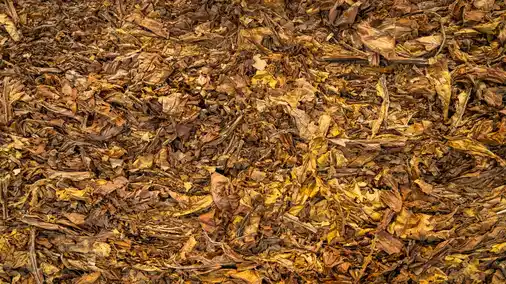
Picture this: you open a bag, break a clump apart, and a sharp, rotten, or vinegar-like odor hits you before you even see the surface. That smell can be one of the earliest signs that mulch spoilage has started, especially in a sealed bag or a wet pile.
A healthy mulch smell is woody, earthy, and mild. Sour, sweaty, ammonia-like, or fermented odor points to low oxygen in the pile and active breakdown inside the bag. That does not always mean the mulch is unsafe to spread, but it does mean the material has changed. The odor is the clue.
- Open the bag and pause for 10 seconds before handling it.
- Lean in close and sniff once, then step back.
- Compare the smell to fresh bark, leaves, or wood chips.
- Check the bag bottom for wet spots, blackened clumps, or heat.
- Set it aside if the odor stays sharp after opening.
A sour smell matters more than a slight earthy one because it points to trapped moisture and pile heat. A bag that smells off but looks normal can still be in early spoilage. On the flip side, a dry bag with a strong woodland smell is usually fine.
What mold and fungal growth look like on mulch
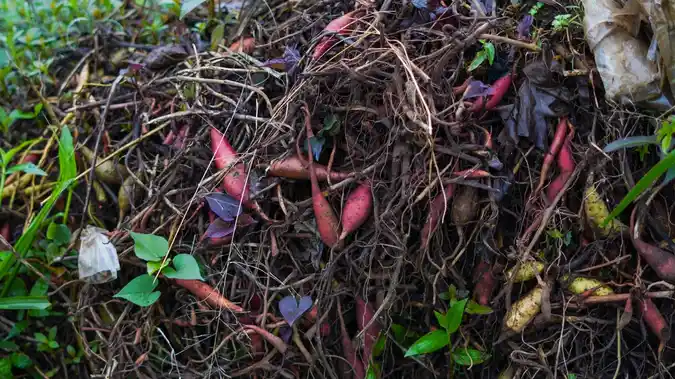
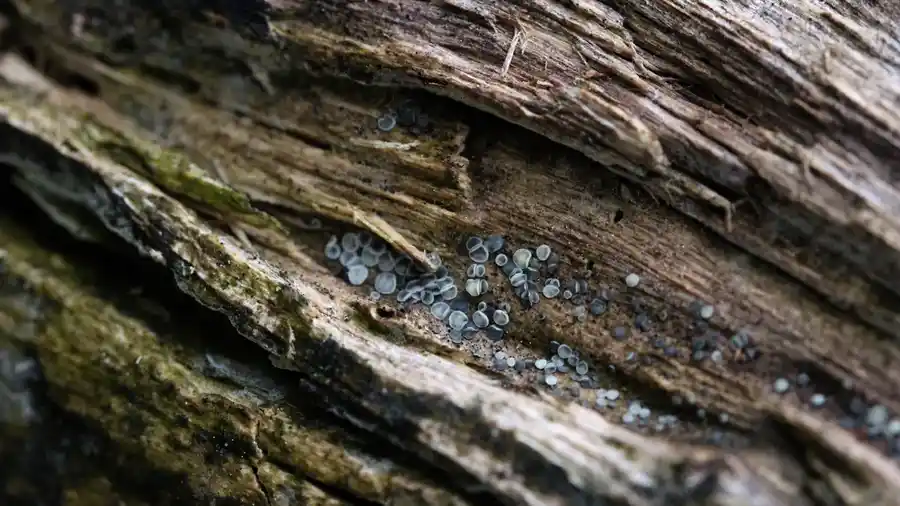
Picture this: you rake back the top layer and find white threads, gray fuzz, or thin webbing across the chips. That is usually fungal growth, not the same thing as decay that has gone too far, and not every patch means the mulch is ruined.
Most mulch holds fungi at some point. The issue is how much you see and where you see it. A light white film on the surface, especially after rain, can be a normal fungal bloom. Thick mats, slime, or growth that keeps spreading through the pile are different. Surface coverage matters.
- Thin white threads: often fungal mycelium on damp mulch.
- Gray or white fuzz: can be mold or other fungi on wet organic matter.
- Green tint: may point to algae or prolonged wet storage.
- Black, sticky patches: can signal deep rot or overheating.
- Clumped, slimy mulch: usually means the pile stayed too wet.
A practical way to judge it is by depth. If the growth stays on the outer inch or two and the mulch below looks normal, the issue is usually surface-level. If the mulch is matted together through the full bag or pile, the material has moved past simple freshness. That is where pile heat and fermentation often show up together.
How to tell pile heat, fermentation, and spoilage apart
Picture this: you press your hand into the center of a mulch mound and feel warmth, not just sun-warmed top layers. That warmth can be normal in a large organic pile, but hot cores with sour odor and damp clumps are a warning that the mulch is breaking down too fast.
Pile heat comes from microbial activity. In a loose outdoor stack, some warmth is normal. In a bag or tightly packed heap, heat plus moisture can trap gases and speed fermentation. That is why smell, texture, and temperature should be read together. Heat alone is not the whole story.
| Sign | Usually means | What it suggests |
|---|---|---|
| Warm center, fresh smell | Natural breakdown | Often usable |
| Hot center, sour smell | Active fermentation | Watch closely |
| Damp clumps, no smell | Water damage | Drying needed |
| Heat, fuzz, sour odor | Spoilage | Replace or reject |
Here’s the catch: people often mistake any warm mulch for “bad mulch.” That is too simple. Fresh organic material can warm on its own, but the real problem starts when heat comes with a sour odor and visible fungal mats. That combination is the one to treat as spoilage. The smell does not lie.
How do you know if mulch has gone bad?
Picture this: you split open a bag and the contents are stuck together in a dense mass, the color looks dull, and the smell is wrong. That mulch has likely gone bad enough that it should not be treated like fresh material, even if some pieces still look usable.
Bad mulch usually shows more than one sign at once. One odd smell can be a fluke. Two or three signs together are a pattern. Look for deep clumping, slime, off-color patches, and growth that reaches below the surface. Multiple signs mean trouble.
- Break apart a handful and feel for stickiness or slime.
- Look inside the clump for gray, black, or white growth.
- Check the color for dullness or patchy darkening.
- Smell the broken clump instead of the sealed bag only.
- Spread a thin layer on cardboard for 15 to 30 minutes and recheck the odor.
That last step helps because trapped bag odor can exaggerate the problem. If the mulch still smells sour after airing out and the clumps stay wet and heavy, it is not just a storage quirk. The material has crossed into spoilage. A fresh bag should not need to “recover.”
What gets mistaken for mold but isn’t
Picture this: you see a white crust on bark mulch and assume the whole pile is contaminated. Sometimes that white layer is fungus, but sometimes it is just salts, dust, or harmless surface growth that will dry out and fade with time.
A lot of readers call every pale patch “mold.” That leads to wasted mulch and bad judgment. The better move is to separate texture from color. Fuzzy growth, stringy webs, and slimy mats point toward fungal activity. Chalky residue, dust, or scattered pale flecks may be something else. Not every white patch is mold.
- Dusty white film: may be mineral residue or dried fines.
- Stringy webbing: more likely fungal mycelium.
- Crusty surface specks: often debris from the mulch itself.
- Normal color fade: can happen as mulch ages outdoors.
A practical check helps here: rub a small bit between your fingers and smell it. If it brushes off dry and smells woody, the issue may be minor. If it smears, clumps, or smells sour, that is a different story. This is where the difference between surface growth and spoilage matters most.
When should you replace mulch instead of using it?
Picture this: you planned to top a bed this afternoon, but the mulch in the bin smells fermented and feels warm in the middle. That is the point to stop and replace it, because bad mulch can be a nuisance in a bed and a headache near plants and paths.
Replace mulch when the problem is not just cosmetic. Strong sour odor, wet rot, dense fungal mats, and slimy clumps are the big flags. If the pile is only lightly fuzzy on the top and the rest is dry and woody, you may still be able to use it after breaking it up and airing it out. Severe spoilage means replacement.
Do not spread mulch that is:
- wet through the full bag,
- hot in the center after sitting,
- slimy or sludge-like,
- strongly sour or ammonia-smelling,
- covered in thick mold or webbing.
The better choice is clean, dry material with a normal woody smell. If you are working under the broader mulch application guide on this site, this is the sorting step that keeps a bed from starting off with spoiled material. A bad bag can waste an hour and leave a bad smell near the foundation. That is a poor trade.
How can I check a whole mulch pile fast?
Picture this: you have several bags or a yard pile and need a quick read before you spread any of it. You do not need special tools for that job; a gloved hand, a garden trowel, and your nose will tell you most of what matters in under 5 minutes.
Use a three-point check. Sample the top, the middle, and the bottom. One bad zone can hide in a pile that looks fine from the outside. That is the trap.
- Probe the center with a trowel or long-handled scoop.
- Pull mulch apart with gloved fingers.
- Sniff each layer for sour or fermented odor.
- Feel for heat in the center and lower layers.
- Look for growth on the inner clumps, not just the surface.
If only the top layer has light fuzz and the rest is dry, the pile may still be usable after turning. If the middle is hot, wet, and sour, the pile has moved beyond normal aging. That is the same pattern you see in spoiled compost-like material, and it is a strong sign to pull it out of service. On the flip side, a dry pile with a faint earthy smell is usually fine to use.
In short, this check does not require guessing. The signs line up: odor, heat, texture, and growth. When all four point the same way, the answer is clear. For more on storage and handling, see the site’s mulch application guide, the mulch selection guide, and the composting guide.
FAQs
Is mold in mulch dangerous?
Usually, mold in mulch is more of a nuisance than a crisis. Light surface fungal growth is common in organic mulch, especially when it stays damp, but thick mold with a strong odor is a sign the material is breaking down badly. If someone has allergies or asthma, avoid breathing in dust or spores and use caution around large, moldy piles. The CDC notes that mold exposure can bother people with allergies or asthma.
Why does mulch smell sour?
Mulch smells sour when moisture gets trapped and microbes start fermenting the organic material without enough air. That sour, fermented smell is common in sealed bags, wet piles, or mulch that has heated up in storage. It is a warning sign that the pile is no longer just aging normally. The U.S. EPA explains that damp organic material can support mold growth.
How do you know if mulch has gone bad?
Mulch has gone bad when several signs show up together: sour odor, heat in the center, slimy clumps, and fuzzy or web-like growth. A little white growth on the surface can be normal, but deep clumping and a bad smell mean the material has moved into spoilage. If it still smells wrong after opening and airing out, consult a professional or your supplier and treat it as bad mulch.
Drafted with AI; not yet reviewed by a person.
Leave a Reply