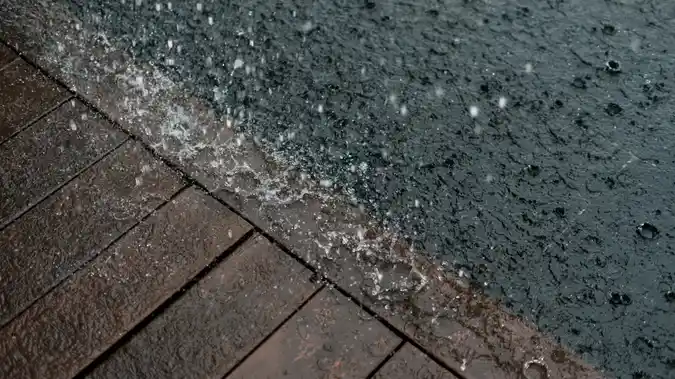
Last updated: November 05, 2026
In short: keep mulch off hardscape after heavy rain by rebuilding the bed edge, flattening the top 2-3 inches of mulch, and adding a low physical barrier where the paver path or driveway meets the garden bed.
This guide on How to Keep Mulch Off Hardscape After Heavy Rain shows what to do before the next storm, what to clean up after it, and which fixes actually hold.
Key Takeaways
- Mulch moves onto hardscape when water hits a loose edge and carries small pieces downhill or across a flat border.
- Reduce post-rain spill by regrading the edge, adding a defined border, and keeping mulch level with the bed—not piled against the hardscape.
- After a storm, sweep, rake, and reset the edge before the mulch dries into a new shape.
- The most durable border fixes are rigid edging, a shallow stone edge, and a clear height difference between the bed and the hardscape.
What causes mulch to wash onto hardscape?
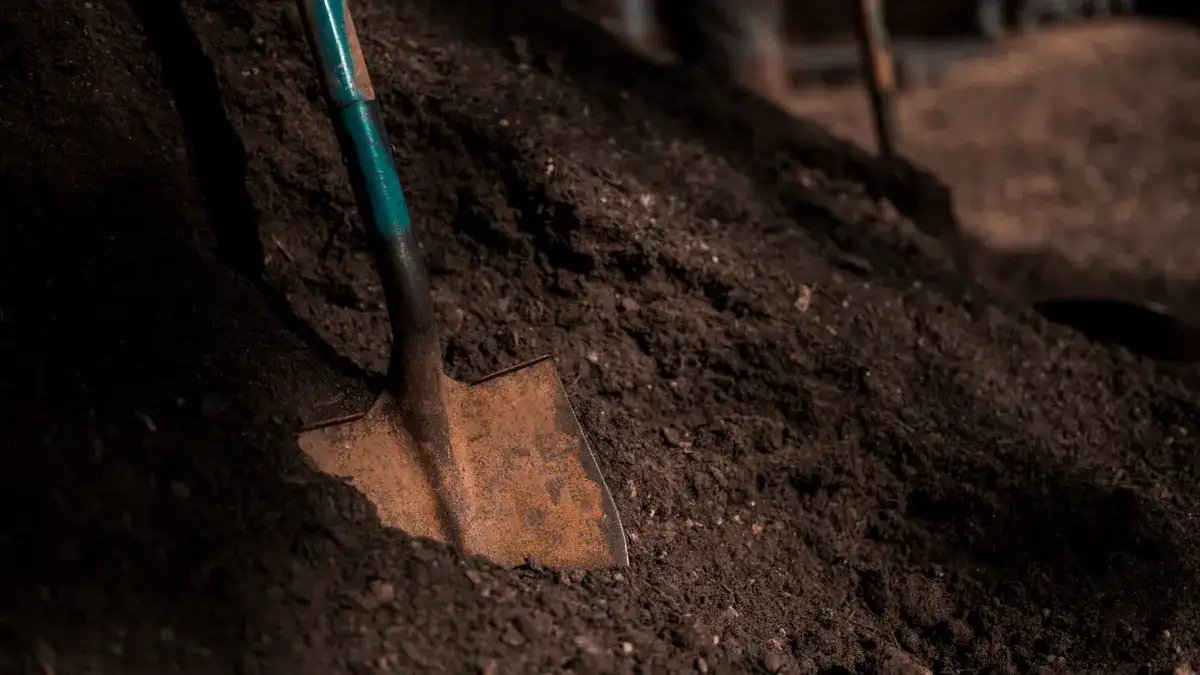
Mulch spills onto hardscape when water hits a loose edge and carries small pieces downhill or across a flat border. Heavy rain does the work in minutes. A paver path or driveway gives those bits a smooth place to land and spread.
Open the gate after a storm. The evidence is usually obvious: a thin brown line along the driveway, a scatter of chips across the pavers, and a bed edge that looks peeled back. The fix is not just sweeping. It starts with the edge shape, the mulch depth, and where water exits the bed.
Most often, the trouble begins with a bed that ends flush with the hardscape. Water racing off the garden bed has no lip to slow it down, so it drags mulch with it. Fine-textured mulch moves faster than larger chunks. A bed that sits too high above the path sheds even more material.
Here’s the catch: cleanup alone does not stop the next storm.
- A flat edge lets water skim across it.
- Loose mulch near the border breaks apart first.
- Low spots along the hardscape collect runoff and spread it farther.
Usually, a reader who keeps seeing this after rain is dealing with one of three things: too much mulch packed against the border, no containment at the edge, or water aimed straight at the problem spot from a downspout or roof edge. That last one matters even when the bed itself looks fine.
The bed edge is already collapsing? Step one is to rebuild it before adding more mulch. And if the path is clean but the driveway still gets covered, the runoff is coming from above or from the bed crown, not from sweeping habits.
How do you stop mulch from moving after rain?
Stop mulch from moving after rain by regrading the edge, adding a defined border, and keeping the mulch surface level with the bed—not piled against the hardscape. That combination does more than any quick rake job.
Once the rain has passed and the mulch is damp, the edge can look soft and ragged. You want one clean pass that keeps the next storm from finding the same loose material again. Otherwise, you are just rearranging the mess.
Use this order:
- Rake the loose mulch back into the garden bed with a leaf rake or bow rake, pulling it 6-12 inches away from the paver path or driveway edge. This clears the spill zone and shows where the bed is failing.
- Shovel off the excess from the border if the bed sits too high, leaving the mulch surface just below the edge of the hardscape. That lower profile keeps runoff from lifting the top layer.
- Install a border material, such as steel edging, stone, or paver edging, along the garden bed line to create a firm stop at the edge. A rigid edge keeps the mulch from slumping outward after each storm.
- Compact the bed edge lightly with the back of a shovel or your boot heel so the first few inches hold shape. A firmer edge resists washout better than fluffy mulch.
- Top off the bed with larger mulch pieces near the border, then keep finer mulch farther back in the bed. Larger pieces move less in fast water.
A border works best when it is paired with the right shape, not treated like a wall. If the bed slopes toward the sidewalk, even strong edging may be overwhelmed eventually.
A neat edge should look clean, not packed tight. Soil and mulch jammed hard against a paver path can trap water, which then slips around the edge and carries loose pieces with it. A shallow trench at the border can help water slow down, though it should not become a channel that runs straight onto the driveway.
What should you do right after a storm?
Right after a storm, sweep, rake, and reset the edge before the mulch dries into a new shape. Wait a day or two, and the cleanup gets harder. The spill line also settles into the pavers.
You may have 20 minutes before the sun bakes the damp pieces into the joints of the hardscape. That short window matters.
Start with a stiff push broom on the paver path or driveway. Work from the hardscape back toward the bed, not the other way around, so you do not drag more mulch onto the clean surface. Then use a leaf blower only if the pieces are light and dry enough to move without blasting them deeper into joints.
- Broom: best for pavers, stamped concrete, and textured driveway surfaces.
- Plastic rake: best for pulling larger chunks back into the bed without tearing the edge apart.
- Hand trowel: best for pockets of mulch caught at the border.
- Bucket or tarp: best for gathering overflow before you toss it back into the bed.
Wet mulch clings to rough surfaces, especially where paver joints and edges create small ledges. If you wait until the next rain, the loose material gets redistributed again and the clean line disappears.
A few habits make the cleanup faster next time:
- Keep the border line visible after every storm.
- Do not scrape hard enough to pull soil out of the bed.
- Clear the first 1-2 inches beside the hardscape before you spread the mulch back.
If the same section keeps filling up after rain, the culprit is probably water flow, not cleanup. Look for a downspout, roof drip line, or low point in the bed that dumps water straight at that corner.
Which border fixes actually hold up against runoff?
The border fixes that hold up are rigid edging, a shallow stone edge, and a clean height difference between the bed and the hardscape. Soft lines made only with loose mulch fail first, especially beside a driveway that gets hammered by runoff.
Want a fix that still looks straight after a month of summer storms, not one that disappears under the next wash of debris? Then the edge needs structure.
Good options include:
- Steel or aluminum edging for a crisp, low-profile stop.
- Stone or brick edging when you want a wider visual border and more mass at the edge.
- Paver border courses where the hardscape already has a defined edge system.
- A shallow gravel strip between bed and hardscape in spots where water needs a little speed reduction before it reaches the path.
A rigid border is not magic. It works because it gives mulch a hard face to lean against, and it gives you a place to reset the edge after storms. On a driveway edge, the extra mass of stone or pavers usually holds up better than thin plastic edging, which can flex under repeated water and foot traffic. Cheap-looking fixes fail fast here; the storm does not care.
Choose the border that fits the problem, so the choice should match the amount of runoff and the shape of the bed. If the mulch only creeps a little, steel edging may be enough. If heavy rain regularly carries material onto a long paver path, a stone edge or a deeper containment line will usually be steadier.
Do not bury the edging too deep. If the top of the border disappears under mulch, it stops doing its job and the runoff finds the weak spot. Keep the upper edge visible so the mulch has a clear boundary.
One more point: a border is not there to hold a mound of mulch. A bed packed too high against the edge sheds faster. Keep the mulch level modest and even, especially within the first foot of the hardscape.
What mistakes make the spill problem worse?
The biggest mistakes are piling mulch too deep, leaving a flat edge, and aiming runoff straight at the border. Each one makes the next storm pull more material onto the hardscape.
Spend an afternoon tidying the bed, and a storm can still bring the same brown streak back. Usually, that means the fix was cosmetic, not structural.
Common errors:
-
Piling mulch 3-4 inches deep at the edge
Cost: the outer layer loosens first and slides onto the paver path or driveway.
Better move: pull the edge back and keep the border flatter than the middle of the bed. -
Using only a rake after every storm
Cost: you keep treating the symptom and never change the water path.
Better move: rebuild the edge and add containment. -
Letting downspouts dump near the bed corner
Cost: the water hits the same spot with enough force to move chips, bark, or shredded material.
Better move: redirect discharge away from the bed or break up the flow before it reaches the border. -
Leaving gaps in edging
Cost: runoff escapes through the weak point and carves a track along the hardscape.
Better move: close the gaps and tie the border into the full run.
The wrong mulch type can make the job harder too. Lightweight shredded mulch moves faster than larger bark pieces, especially on a bed that gets a hard hit from roof runoff. That does not mean you must replace all of it. It means you should keep the lightest material farther from the edge.
If the spill is small and rare, cleanup plus a better edge may be enough. If the same corner fills up after every heavy rain, the layout needs a real correction, not just more mulch.
For a broader look at bed care and placement, see the hub guide on mulch application methods and bed care.
How to keep the next storm from doing the same thing
Keep the next storm from repeating the mess by checking the border before rain, fixing water paths, and topping up the bed only where it needs it. A 10-minute check before a storm can save a long cleanup after it.
If the forecast shows hard rain in the evening and you still have daylight, that is the moment to act.
Use this pre-storm checklist:
- Walk the line between the garden bed and the hardscape.
- Push loose mulch back from the edge by 6-12 inches.
- Look for low spots where water pools against the border.
- Clear leaves, twigs, and debris that could block the edge and redirect runoff.
- Check that the edging is still visible and not buried.
- Confirm that downspouts and roof drip lines are not sending water directly at the bed.
A small correction beats a full reset. If one corner keeps washing out, lower the mulch there, firm the edge, and add a stronger border material just in that spot. If the whole run is drifting, the bed height or water flow is wrong along the full length.
This is not a one-time fix. After a few storms, the edge tells the truth: if mulch stays put, the setup is right. If it keeps moving, the border still needs work.
How do you tell whether the problem is mulch, water, or the edge?
You tell by watching where the first spill starts: at the border, at a low point, or under a roof runoff line. That tells you whether to change the mulch, the edge, or the water path.
If the same paver path keeps getting dirty, one section may be worse than the rest. That pattern is the clue.
Use this quick check:
- If the spill is spread evenly along the whole edge, the bed is probably too high or too loose.
- If one corner gets hit every time, water is likely concentrated there.
- If the hardscape stays clean until a storm with strong wind or roof runoff, the problem is coming from above, not from the mulch itself.
- If the mulch seems to disappear from the bed edge and not from the middle, the border is failing.
A good fix matches the cause. Light cleanup works when the spill is shallow. Edge repair works when the border is weak. Water redirection works when the bed is getting hit too hard. That may sound simple, but it is often where people waste time.
Keep the bed and the hardscape in mind as one system. A paver path is not just a place to sweep. It is also the first stop for the mulch that moves when the bed is shaped wrong.
Why does mulch wash onto the sidewalk?
Mulch washes onto the sidewalk because rainwater carries loose material from the garden bed across a weak edge. The problem gets worse when the bed is too full, the border is flat, or runoff is coming from a downspout nearby. A stronger edge and a lower, cleaner border usually reduce the spill.
How do you stop mulch from moving after rain?
Stop mulch from moving after rain by pulling it back from the edge, firming the border, and adding a rigid stop where the bed meets the hardscape. A 6-12 inch setback at the edge gives the mulch room to settle without spilling as fast during the next storm.
What can I do if mulch keeps spilling onto hardscape?
If mulch keeps spilling onto hardscape, rebuild the edge instead of just cleaning it up again. Check for roof runoff, fix the border with steel, stone, or pavers, and keep the mulch surface lower at the perimeter than in the center of the bed.
Drafted with AI; not yet reviewed by a person.
Leave a Reply