Last updated: October 31, 2026
Quick Answer: For When to Put Down Mulch in Spring, Summer, and Fall, the usual timing is spring after the soil starts warming, summer after watering and weeding, and fall before hard freezes; in many gardens, waiting 1 to 2 weeks after cold, soggy soil begins to dry can make the difference.
Mulch timing for When to Put Down Mulch in Spring, Summer, and Fall is usually best in spring after the soil has started to warm, in summer when you need weed and moisture control, and in fall after plants are going dormant but before hard freezes set in. The right window changes with soil temperature, frost risk, and what problem you are trying to solve.
Key takeaways
- Spring mulch goes down after the soil is no longer cold and soggy, so the ground can warm normally.
- Summer mulch helps hold moisture and slow weeds, but it works best after the bed is already watered and weeded.
- Fall mulch is useful when you want frost protection, fewer winter weeds, and less soil splash from rain.
- Mulching too early in spring can keep soil cool longer and delay growth.
- Mulching too late in fall can trap too much warmth near plants that need to harden off.
- If you are trying to figure out how much mulch to buy, use a bed-measurement calculator before you spread anything.
When should I put down mulch in spring?
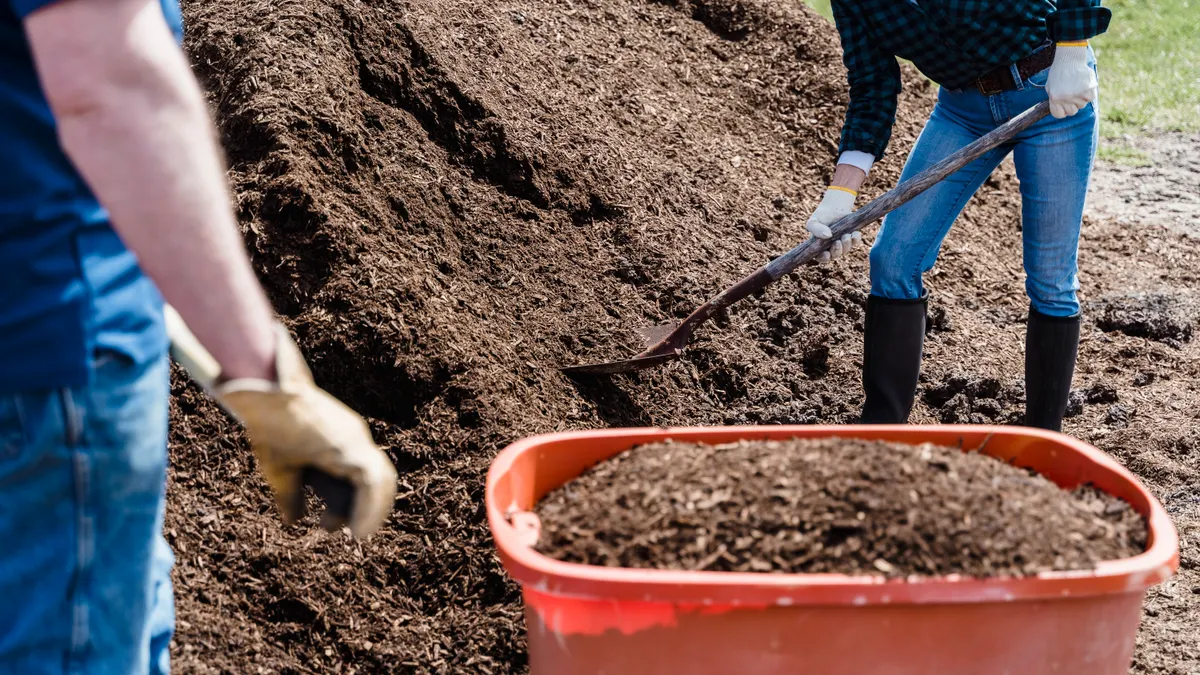
Put down mulch in spring after the soil has warmed enough to support active growth, usually once the ground is workable and no longer cold and saturated. The goal is to cover the bed without sealing in winter chill.
The mistake people make in spring is rushing out with mulch as soon as the weather feels nice. Air temperature can jump fast, but soil temperature lags behind. If you mulch a bed while the soil is still cold, you can slow warming and delay the start of the season. That matters most for perennials, vegetables, and beds that need quick root activity.
A good spring window is after you have cleaned the bed, pulled early weeds, and checked that the soil surface is not sticky. If a handful of soil crumbles instead of smearing, the bed is usually ready for mulch. In many regions, that lands sometime in mid to late spring, but local weather matters more than the calendar.
Use spring mulch for three jobs: suppressing weeds before they get a foothold, reducing evaporation as temperatures rise, and keeping rain from splashing soil onto leaves and stems. If your bed already has bulbs or emerging perennials, spring mulch can help steady moisture around them without the heat swing that bare soil gets.
A practical rule: mulch after planting, not before, if the bed is being refreshed. That leaves the crown area and new shoots easier to see and avoids burying tender growth under a fresh layer. If you need to estimate coverage before buying bags or bulk material, the guide to how to calculate mulch needed for any garden bed belongs at your next step, not this one.
How soil temperature changes the timing
Soil temperature is a useful clue for When to Put Down Mulch in Spring, Summer, and Fall because it tells you whether the ground is ready to warm, cool, or hold steady. Mulch is not just decoration; it acts like a blanket and a shade cloth at the same time.
In spring, the point is to let the soil warm first and then hold that warmth. A thick cover too early can slow the warming that roots need. In summer, the point shifts. Soil is already warm, so mulch helps keep temperatures from spiking and keeps water from evaporating too fast. In fall, mulch helps moderate temperature swings as nights get colder and the surface starts freezing and thawing.
A simple way to think about it: if the soil still feels cold a few inches down, wait. If it feels warm and the bed is drying out between waterings, mulch is usually useful. For vegetable beds and newly planted ornamentals, timing matters even more because roots are shallow and more exposed to temperature shifts.
This is where generic advice goes wrong. “Mulch in spring” is too vague. A northern bed with snow melt and heavy clay may need more waiting than a sheltered urban bed with sandy soil. A south-facing foundation bed may be ready sooner than a shaded one. The calendar matters less than the condition of the soil.
The trade-off is simple. Early mulch saves time later, but it can slow the season if it goes down before the ground is ready. Late mulch lets the soil do its spring warming, but it leaves a window for weeds to sprout and moisture to escape. If you are deciding between those two risks, soil temperature should help you break the tie.
For more on what mulch does once it is in place, the Royal Horticultural Society has a useful overview of mulch and soil care on its site. The USDA also publishes region-specific soil and mulch guidance through extension partners.
When to mulch in summer without making the bed worse
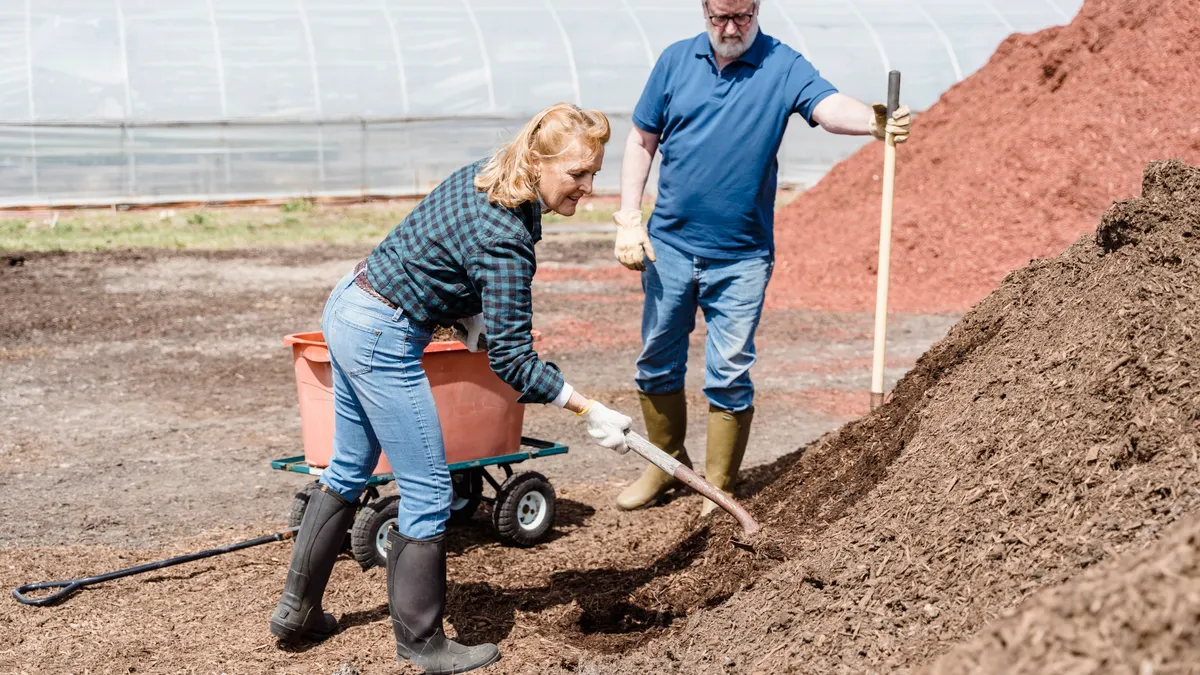
Mulch in summer after the bed has been watered deeply and weeded, not during a heat wave with dry, dusty soil underneath. Summer mulch is a moisture-management tool first and a weed tool second.
If you spread mulch over dry soil, you can trap that dryness in place. The bed may look finished, but the roots below still need water. That is why summer mulching works best right after a thorough soak or after rainfall has soaked the root zone. In a vegetable bed, that may mean watering the soil one day and mulching the next morning. In a perennial border, it may mean mulching after a hose or drip line run.
Summer is also the season when weeds move fastest. A fresh mulch layer blocks light and makes it harder for new weed seeds to germinate at the surface. That helps most in open areas between plants, along edges, and in places where bare soil bakes hard. It helps less if the weeds are already knee-high. In that case, pull the weeds first; mulch is not a replacement for cleanup.
The best summer timing is often after the first flush of weeds has been removed and before the hottest stretch of the season. If you wait until the bed is already stressed, mulch still helps, but it cannot undo heat damage or revive wilted roots. A 2-inch or 3-inch planning target is often discussed in gardening circles, but depth is a separate question from timing, and it belongs on another page.
Summer mulch is not ideal for every situation. It is a poor fit for beds that stay wet after storms or for soils that drain slowly, because extra cover can reduce drying and make root issues worse. It is also less useful in beds where you need the soil to dry out between waterings, such as some Mediterranean plants. Those beds often want air and drainage more than insulation.
When is fall the right time to mulch?
Fall is the right time to mulch after plants begin slowing down but before the ground freezes hard for the season. That timing gives roots protection from freeze-thaw swings and leaves the soil covered going into winter.
Fall mulch does two jobs well. First, it helps protect soil from erosion and from the impact of winter rain. Second, it reduces the damage caused by repeated freezing and thawing, which can heave shallow roots and expose crowns. That is why fall mulching is often used around perennials, berry beds, and young shrubs.
The timing window is narrower than in spring or summer. Put mulch down too early in fall, and you can keep soil warmer longer than you want, which may delay dormancy in some plants. Put it down too late, after the soil has already frozen repeatedly, and you miss the benefit of moderating those temperature swings. A bed is usually ready when summer growth has finished, weeds are slowing, and the soil still accepts a rake or fork without being locked up.
Fall is also the season when a lot of gardeners clean beds and then leave them bare. That looks tidy for a week, then rain, wind, and winter crusting take over. A fresh layer of mulch keeps the soil from being exposed for months. In exposed sites, such as slopes or windy corners, that can make a noticeable difference in how much soil stays put until spring.
Fall mulch is not the answer for every plant. Tender plants that should stay a little dry and airy through winter may not want extra insulation right at the base, and any plant already struggling with poor drainage can suffer if it stays too wet under mulch. The timing is useful, but it still has to match the plant and site.
For timing by season, fall is often the most forgiving on labor and the least forgiving on delay. If you miss the window, the bed may sit uncovered all winter.
A simple seasonal sequence that works in most gardens
The most reliable sequence is to mulch after cleanup, after watering, and after the soil reaches the right seasonal stage. That means spring for warming beds, summer for moisture control, and fall for winter protection.
Here is the sequence I would use in a typical mixed garden bed:
- Clear the bed of weeds, fallen stems, and debris so the mulch sits on soil, not on a litter layer.
- Check the soil with a hand or trowel. If it is still cold and soggy in spring, wait 1 to 2 weeks and check again.
- Water deeply before summer mulching so the soil beneath the mulch starts moist, not parched.
- Mulch after the bed is ready, not before you can see whether plants have emerged or finished blooming.
- Recheck after a heavy rain or a hot spell, because weather can change the bed’s needs faster than the calendar.
- In fall, aim to mulch before repeated hard freezes make the ground difficult to work.
That sequence keeps the mulch doing the job you want instead of fighting the season. It also avoids the most common timing errors: spring mulch on cold soil, summer mulch over dry soil, and fall mulch after the bed has already been through several freezes.
The specific material matters less here than the timing logic. Bark, shredded leaves, wood chips, and compost-based mulches all follow the same seasonal pattern: clean the bed, wait for the right conditions, then apply. Some materials warm faster or break down faster, but that is a separate decision from when to put them down.
If the bed is large, timing also affects quantity planning. A 100-square-foot bed and a 20-square-foot bed may need the same seasonal approach, but they do not need the same amount of material. That is why it makes sense to calculate coverage before hauling bags or ordering bulk mulch.
Common mulch timing mistakes that cost you a season
The biggest mistake is mulching by date instead of by soil condition, and it can cost you weeks of plant growth or moisture control. A second mistake is waiting until the bed looks bad, which usually means the weeds and heat stress have already started.
One common error is mulching in early spring because the yard “looks ready.” That can keep the soil cooler than it should be and slow root activity. The fix is simple: wait until the ground is workable and warming.
Another is mulching over dry summer soil and hoping the mulch will solve the problem. It will not. Dry soil under fresh mulch stays dry unless you water first. The better move is to soak the bed, then mulch to hold that moisture in place.
A third mistake is putting down mulch in late fall after the first hard freeze and assuming it will still help. It may still cover the bed, but the main winter benefits come from getting there before repeated freeze-thaw cycles start. Late mulch is better than no mulch, but it is not the same as timely mulch.
The last mistake is using mulch to hide a problem bed. If soil drains poorly, if plants are already stressed, or if a bed needs renovation, mulch can disguise symptoms without fixing the cause. That is why timing advice is not a substitute for bed maintenance.
If there is one judgment to keep in mind, it is this: mulch is most useful when it supports what the season is already doing. Spring should warm. Summer should conserve. Fall should protect. When mulch fights the season, it usually causes more trouble than it solves.
For recommendations on material choice from a professional horticultural source, the USDA and university extension services often publish region-specific guidance on mulch use and soil management.
Is spring or fall better for mulching?
Fall is usually better for protection, while spring is better for setting up the growing season. If the main goal is winter insulation and erosion control, fall wins. If the main goal is weed suppression and moisture conservation for new growth, spring can be the better time.
Can I mulch before a freeze?
Yes, if the ground is still workable and the plants have already begun to slow down for the season. Mulching before a freeze can help protect roots and reduce freeze-thaw damage. The key is to do it before the soil is locked up, not after repeated hard freezes have already started.
Should I mulch after rain or after watering?
Yes, mulch works best when the soil underneath is already moist. A dry bed stays dry under mulch, so watering or waiting for a soaking rain first gives the mulch something useful to preserve. In summer, that timing matters even more because evaporation can be fast.
How do I know if it is too early to mulch in spring?
It is too early if the soil still feels cold several inches down or if the bed is wet enough to smear when you dig. That usually means the ground is not ready to warm on its own. Waiting 1 to 2 weeks can make a real difference in how quickly the bed wakes up.
Drafted with AI; not yet reviewed by a person.
Leave a Reply