Last updated: October 31, 2026
Mulch depth is usually 2 to 4 inches, with 3 inches a good target for most flower beds, shrub borders, and around established plants. Keep mulch thinner near stems and trunks, and never pile it against the tree root flare. The USDA Forest Service advises keeping mulch away from trunks, and Clemson Extension recommends a 2- to 4-inch layer for most landscapes.
The mulch depth that works for most beds
For most flower beds and shrub borders, 2 to 3 inches is enough; 3 to 4 inches is the upper end when the mulch is coarse and the bed dries fast. That depth suppresses weeds, slows evaporation, and still lets air move through the soil surface. The University of Maryland Extension notes that 2 to 3 inches is usually sufficient for landscape beds.
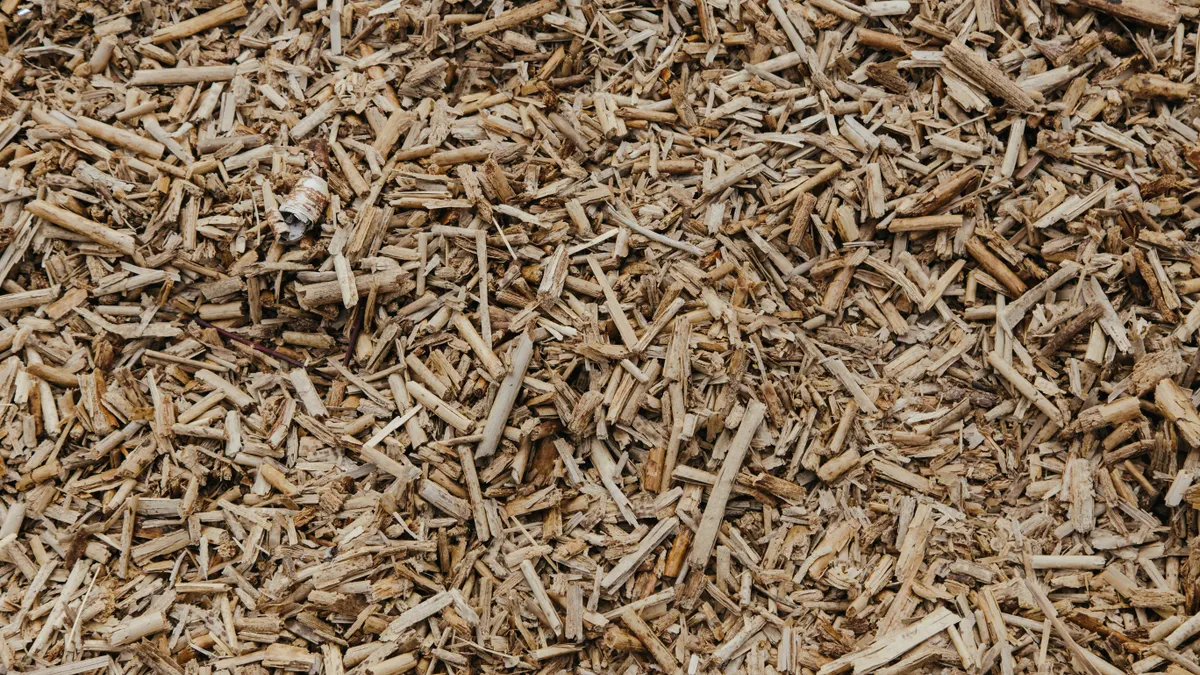
The right number changes with the job the mulch has to do. Fine-textured mulch such as shredded bark settles more tightly, so a loose 3-inch layer may end up closer to 2 inches after a few weeks. Coarser mulch, such as chipped wood, needs a little more depth to cover the soil evenly because the pieces do not knit together.
If the bed is already weedy, mulch is not a shortcut over cleanup. A thin, even layer over weed-free soil works better than a thick blanket over existing weeds. A 1-inch dusting does little; a 5-inch mat often causes the next problem instead of solving the first. I would not go heavier than 4 inches in an ordinary ornamental bed unless the site is extremely exposed or the mulch is very coarse. If you are unsure, consult a local extension office or landscape professional.
The main trade-off is oxygen. Too much mulch can hold moisture against the surface and slow gas exchange, especially in slow-draining soil. That matters most in clay-heavy beds and around plants that dislike constantly damp crowns.
How deep should mulch be around plants?
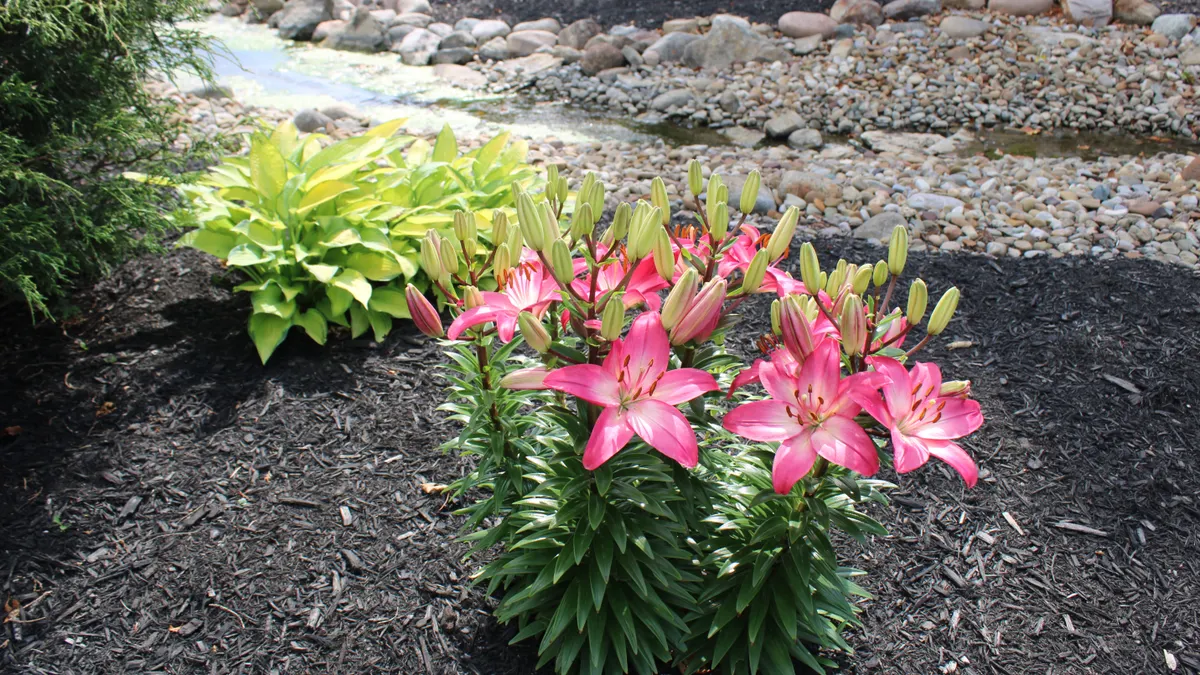
Around most plants, mulch should be deep enough to cover the soil and shallow enough to leave the stem or trunk clear. For bedding annuals and perennials, 2 to 3 inches is the sweet spot. For shrubs and trees, hold the mulch back from the base and expose the root flare on trees.
The root flare is the point where a tree widens at the base before the roots start to spread. If mulch hides that flare, the trunk stays damp and the tree can develop problems over time. I would treat this as a strong rule of thumb, not a style preference; if you are managing a valued tree, consult a certified arborist or extension specialist. For shrubs, leave a small gap at the stems rather than burying the crown in a mound.
A simple way to think about it: mulch is a blanket for soil, not a collar for stems. That means the mulch ring can be broad, but the center must stay open. A 2- to 3-inch ring that tapers to zero right at the stem line is far better than a uniform 4-inch layer pressed against every plant base.
New plantings need a lighter touch for the first season. Freshly set transplants already need oxygen and stable moisture around the root ball. Heavy mulch can slow warming in spring and keep the planting hole wetter than the surrounding soil. Around very small annuals or vegetables, 1 to 2 inches is often enough until the plant size increases.
Core steps for setting mulch depth
- Clear the bed first. Remove weeds, fallen leaves, and old mulch clumps so the new layer sits on soil, not on debris. A clean surface makes a 2- to 3-inch depth actually perform like 2 to 3 inches.
- Measure the mulch in a few places. Use a ruler, trowel handle, or marked stick to check the depth after spreading. Aim for the same depth across the bed, not a deeper pile near edges where it is easy to dump extra.
- Pull mulch back from stems and trunks. Leave a bare zone of several inches around small perennials and shrubs, and keep the root flare visible on trees. The center stays dry and the plant base can breathe.
- Feather the edges. Taper mulch to a thinner layer at bed edges and near sensitive plants. This helps reduce runoff and avoids a hard ridge, though local slope and drainage may call for more specific guidance from a professional.
- Water lightly if the mulch is dusty or windy conditions are expected. A short watering settles the surface without compacting it. The layer should still look loose, not crusted.
Do flower beds, shrub borders, and vegetable plants need different depths?
Yes: flower beds and shrub borders usually take 2 to 3 inches, while vegetable plantings often do better with 1 to 2 inches around the plant base. The difference is drainage, soil temperature, and how often the bed gets worked during the season.
In a flower bed, the plants are usually permanent enough to benefit from a steadier 3-inch layer. That depth helps suppress weeds between perennials and keeps annual beds from drying out too quickly in hot weather. In a shrub border, the same 3 inches is fine as long as the mulch is kept away from stems and the border does not sit in a low, wet spot.
Vegetable plants are less forgiving of excess mulch early in the season. A tomato, pepper, or brassica transplant can sit under a 1- to 2-inch layer once it is rooted in, but a thick mulch collar around a young stem is a bad idea. Vegetable beds are also more likely to be replanted, cultivated, or top-dressed during the year, so a lighter layer is easier to manage.
Bed type changes the answer in another way: formal beds often need a neater, thinner finish because they are viewed close up, while larger borders can tolerate a slightly deeper layer of coarse mulch. In a woodland-style border, 3 to 4 inches of leaf mold or shredded bark may look natural and perform well. In a tight front-yard bed beside paving, 2 inches may be enough and easier to keep tidy.
How seasonal depth changes the job mulch does
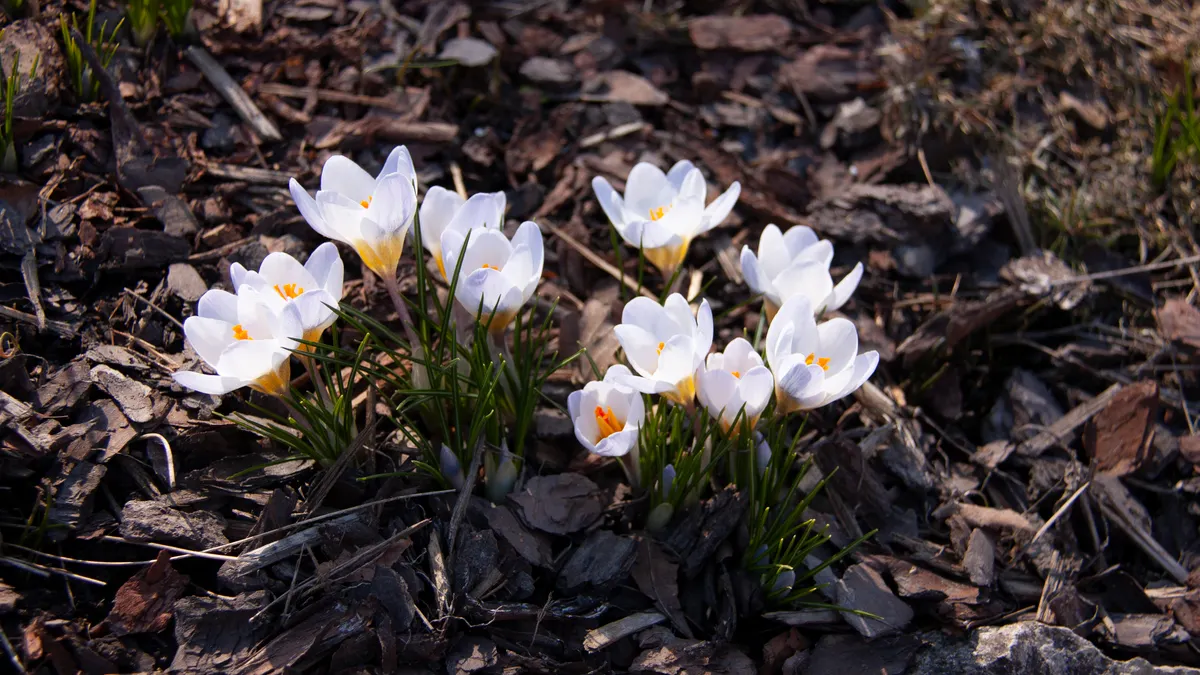
Season matters because mulch behaves differently in spring, summer, and late fall. In spring, a thinner layer helps soil warm faster; in summer, a fuller 3-inch layer helps hold moisture; in late fall, you may add a bit more only where winter exposure is severe.
Spring is the time to avoid overdoing it. Fresh mulch in a cold garden can delay soil warming by a little, which is not what you want around early vegetables or perennials that need to break dormancy. A 2-inch layer is often enough until the weather settles.
Summer is where mulch earns its keep. High heat and wind dry the top few inches of soil first, so a 3-inch layer slows that loss and reduces how often you have to water. In very exposed beds, coarse mulch can go a touch deeper, but I would still keep the stem zone open.
In autumn, the goal changes. You are not trying to bury plants for the season. A 2- to 3-inch refresh is usually enough for most borders, while tender perennials may get a modest top-up after the soil cools. If you add too much too early in fall, rodents and rot become more attractive than insulation.
Common mulch depth mistakes and what they cost
The biggest mistake is piling mulch too deep. A 5- to 6-inch layer can smother smaller plants, keep the surface too wet, and invite stems to stay damp for long stretches. The fix is simple: rake some off until the bed is back in the 2- to 4-inch range.
The second mistake is creating a volcano around a trunk. That hides the root flare, traps moisture at the bark, and makes the base of the tree look neat while setting up a long-term problem. The remedy is to pull the mulch back until the flare is visible and the trunk starts dry.
A third mistake is applying the same depth everywhere. Low spots stay wetter than raised beds, and a north-facing border dries differently than a full-sun bed beside concrete. One layer does not fit every site. Adjust the depth by location, and if drainage varies a lot, consult a local extension office or landscape professional instead of treating the whole yard as one condition.
A fourth mistake is forgetting that mulch settles. What looks like 3 inches right after spreading may become 2 inches later, especially with shredded material. That is normal. Start with the right depth and then check it again after a rain or two rather than correcting too early with another full load.
A simple way to judge the right depth in your own bed
The right depth is the thinnest layer that covers the soil evenly and still leaves plant bases open. For most beds, that means 2 to 3 inches; for very coarse mulch or exposed sites, 3 to 4 inches; for small vegetable transplants, closer to 1 to 2 inches around the plant.
A practical check is to look at the soil surface from the side, not just from above. If you can no longer see patches of soil between the chips, you have enough. If you cannot see the plant crown or root flare, you have too much in the wrong place.
This is where the hub on soil and mulch calculator basics fits best: once the depth decision is made, that page can help with the measuring and volume side of the job. This article stays with the planting side of the question, because depth in a bed is not only about quantity; it is about where the mulch sits and what the plant can tolerate.
A good rule of thumb is simple enough to remember and strict enough to use: deeper on open soil, thinner near stems, and never buried over a tree base. If the bed looks neat but the plant bases are hidden, the mulch is too deep.
Key Takeaways
- Most beds do well with a 2- to 3-inch mulch layer.
- 3 to 4 inches is the upper end for coarse mulch or very exposed sites.
- Keep mulch off stems and trunks, and expose the tree root flare.
- Vegetable plants usually need a lighter layer than shrub borders.
- If mulch settles, top it up lightly instead of burying plants deeper.
How close should mulch be to plant stems?
Mulch should stop short of the stem, crown, or trunk and leave a visible gap. For small perennials and annuals, that gap can be a few inches; for trees, the root flare must stay exposed. The goal is dry, open space at the plant base, not a mulch ring that touches bark.
Is thicker mulch always better?
No. Thicker mulch can create the very problems it is meant to prevent. Beyond about 4 inches, mulch can hold too much moisture, slow soil warming, and bury plant bases. A thinner, even layer usually performs better than a deep mound, especially in beds with clay soil or in spring.
Drafted with AI; not yet reviewed by a person.
Leave a Reply