Last updated: November 01, 2026
Key Takeaways
- Fresh mulch usually feels close to outdoor air temperature; heating mulch can feel warm or hot in the center of a pile.
- Fresh mulch smells like wood and looks loose and fibrous, not muddy or packed.
- Heat damage can show up as steam, clumping, white fuzz, and a center that looks more cooked than chipped.
- The best freshness check combines touch, smell, and texture instead of relying on one clue.
Fresh mulch should smell like cut wood, feel slightly damp but not hot, and look loose rather than steamed together. In How to Tell if Your Mulch Is Fresh or Has Started to Heat Up, the quickest screen is to check the pile’s center for warmth, odor, and texture. If the pile feels warm in the center, smells sour or sharp, or shows white-gray mold, it has started to heat up and should be handled before you spread it.
Check mulch temperature with your hand, not a guess
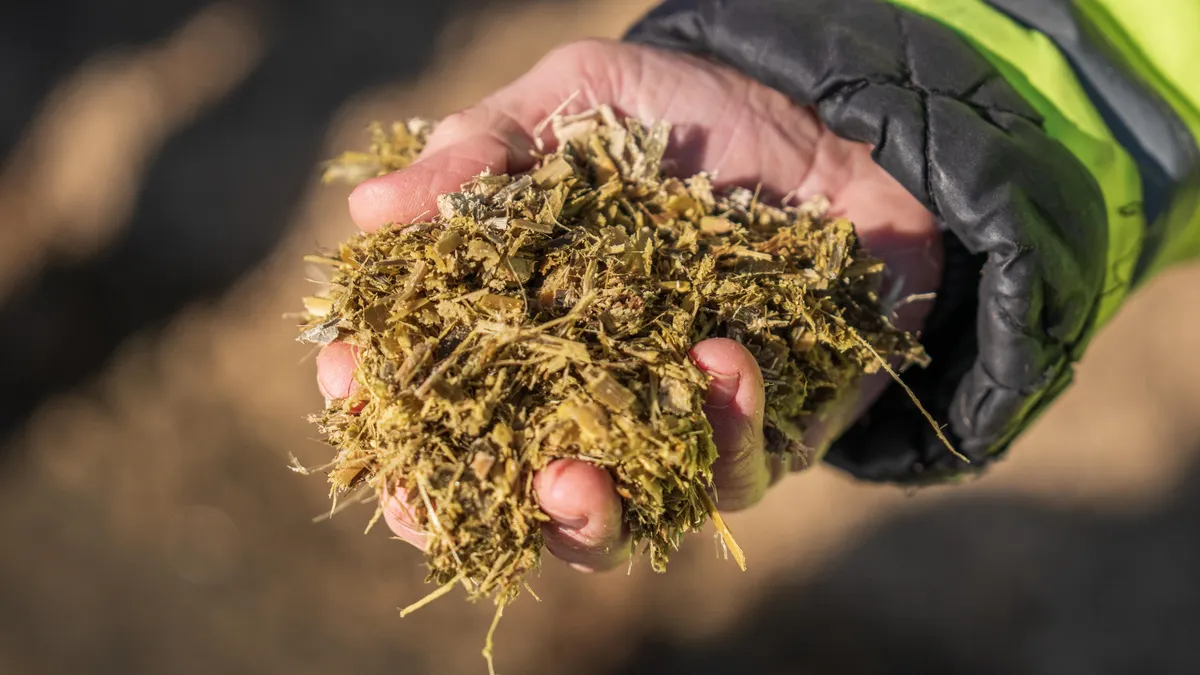
Fresh mulch usually feels close to outdoor air temperature, while heating mulch can feel noticeably warm or even hot in the center of a pile. A hand check is a practical first screen, but it is not a guarantee.
Use a bare hand and reach 6 to 12 inches into the pile, not just the surface. The top layer often cools faster, especially after a delivery sitting in shade overnight. If the center feels only slightly warm on a cool day, that can be normal for a fresh organic load. If it feels hot enough that you pull back fast, the pile is actively heating.
A soil thermometer or compost thermometer gives you a clearer read. Slide the probe into the middle of the pile and wait for the number to settle. You do not need a perfect reading to make a decision; you are looking for a clear difference between the outer layer and the core. A pile that is warm at the center and cooler on the outside is starting the same microbial activity you see in composting. Cornell Extension recommends compost temperatures of 131°F to 160°F for active decomposition, which helps explain why a heating mulch pile can feel much warmer than outdoor air. Cornell Waste Management Institute
Do not rely on the truck bed, bag surface, or top of the heap alone. A pile can look calm while the middle is heating. That matters because heat changes odor, texture, and how the wood fiber behaves once you spread it. It also helps explain why a load that looked fine at delivery can smell different the next morning.
If you are judging delivery quality as part of a larger purchase, this is the point where the topic connects to the rest of mulch purchasing and delivery logistics. The freshness check starts here because temperature tells you what the pile is doing now, not what the label promised.
What does fresh mulch smell and look like?
Fresh mulch smells like wood, not rot, and it looks fibrous, loose, and distinct rather than muddy or packed. The scent is the quickest clue after temperature because your nose catches changes before your eyes do.
A fresh load usually has a clean woody odor. Depending on the source material, it may smell like bark, shredded branches, or plain sawdust, but the scent should stay earthy. If the pile gives off a sour, alcoholic, ammonia-like, or swampy smell, the material is already changing inside. That usually means trapped moisture and active breakdown, especially in a big heap where air cannot move through the center.
Look at the surface and a shovel-full from the middle. Fresh mulch should show separate pieces of bark, chips, or shredded wood fiber. It should not look glossy, slimy, or matted together in a way that suggests fermentation. A little steam on a cool morning can happen with a fresh delivery, but visible steam from the core is a stronger warning sign that heat is building.
Color helps, but only a little. Dark color alone does not tell you much, because many mulch products are naturally dark. A black or brown load can still be fresh if the pieces stay crisp and the smell is clean. Likewise, a lighter-colored load can still be old if it smells stale and has a dusty, brittle surface.
One useful rule: if the odor makes you step back, the pile is probably not fresh enough to treat as a normal installation load; if you are unsure, consult a professional and compare the center with a second shovel-full. According to OSU Extension, strong or offensive compost odors are a warning sign that conditions are off. That does not mean the load is ruined. It does mean you should inspect the center before you spread it near plants. Oregon State University Extension
How do I spot heat damage in the pile?
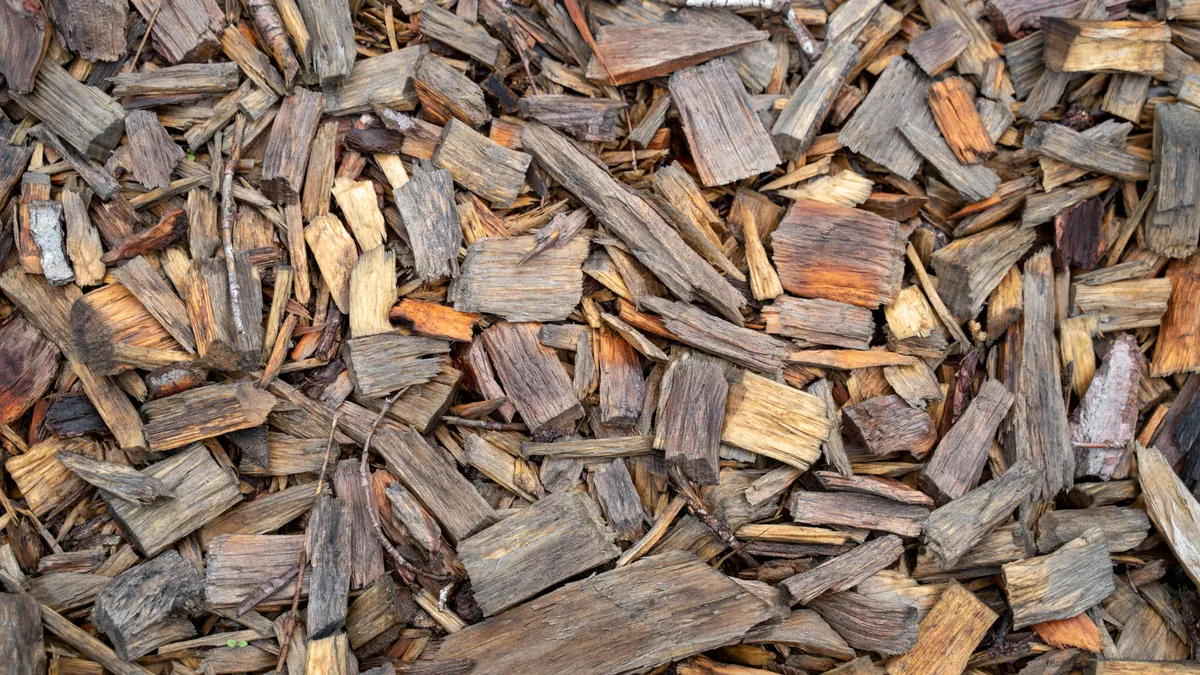
Heat damage shows up as steam, clumping, white fuzz, and a center that looks more cooked than chipped. Those signs matter because they tell you the mulch is no longer just sitting there; it is breaking down fast.
Start with the pile shape. A tightly packed mound of several cubic yards holds heat better than a thin spread or a loose bin. If the load was dumped and left in a tall cone, the core can heat up within a short time, especially in warm weather or after rain. A pile that has flattened under its own weight and feels dense may be trapping even more moisture.
Next, dig into the center with a shovel. You are looking for material that feels damp in the wrong way: sticky, slick, or compressed into clods. Fresh wood fiber should separate fairly easily. When the center starts heating, the pieces can bind together and lose the airy texture you want for spreading.
Watch for white or gray fungal growth on the surface or inside the pile. A little surface mold is not unusual on organic material, but thick patches mean the load has stayed wet and warm long enough for fungi to spread. That is a sign to manage the pile before it goes into the bed.
A hot pile can also give off visible vapor on cool mornings. Steam is not proof of failure by itself, but it is a clue that the core temperature is higher than the air. If you see steam plus a sour smell, you are probably dealing with active heating, not just a fresh load settling after delivery.
The cost of ignoring this step is simple: hotter mulch is harder to spread cleanly, and the smell can linger around the site. More importantly, a strongly heating pile can keep changing before you use it, which means the first wheelbarrow and the last wheelbarrow are not the same material. The USDA notes that composting can generate temperatures high enough to kill many pathogens and weed seeds, which is why heat in a mulch pile signals real microbial activity, not just a harmless surface change. USDA Agricultural Research Service
Use these 5 checks together before you spread it
Freshness is easiest to judge when you combine touch, smell, and texture instead of trusting one clue. A single sign can mislead you, but five quick checks usually point in the same direction.
- Feel the core with your hand. Reach 6 to 12 inches into the pile and compare the center to the outside; the result should be cool to mildly warm, not hot.
- Sniff a shovel-full from inside the pile. A clean woody smell points to fresh mulch, while sour or fermented odor points to heating.
- Pull apart a handful of wood fiber. The pieces should separate with some spring, not stick together in wet mats or clumps.
- Check the surface for steam or fuzz. Light steam on a cool morning can happen, but heavy vapor, white growth, or slimy patches point to excess moisture and heat.
- Look at where the pile sat after delivery. A load left in direct sun, in a plastic wrap, or in a compact mound for a full day is more likely to warm up than one that stayed loose and shaded.
Use a probe thermometer if you want a more objective check. A simple compost-style thermometer works better than a kitchen thermometer because it reaches deep enough into the middle of the pile. You do not need a lab result; you need a consistent reading from the center and a sense of whether it is climbing or leveling off.
The biggest mistake here is judging by appearance alone. People often see dark, clean-looking mulch and assume it is fresh, then miss a warm core. The opposite happens too: a slightly dusty surface makes a good load look old even when the center is fine. The fix is to sample below the surface, not just inspect the top.
What storage conditions make mulch heat up faster?
Mulch heats up faster when it is wet, packed tight, and left in a tall pile with poor airflow. That combination traps heat the way a compost pile does, and the center changes first.
Rain is the obvious trigger, but irrigation overspray and wet ground can do the same thing. If a delivery sits on saturated soil, the bottom layer stays damp, and moisture moves upward into the pile. Add a high mound and you get a warm core even if the weather is mild.
Plastic wrapping or tight containment can also work against you. A covered load may stay dry on the outside, but it can lock in heat and moisture underneath. That is useful for some storage setups, yet it can make freshness harder to judge because the pile stays hidden until it is already warming.
Airflow matters just as much as water. A loose stack has more chance to shed heat. A compressed stack, especially one pushed into a corner or backed against a wall, loses ventilation and can heat unevenly. If you have room, spread the pile a little flatter so the core is not as insulated.
Time is another factor. A fresh delivery that sits untouched for several days is more likely to change than one used quickly. Even if you are not aiming to store it long-term, a 24-hour delay in warm weather can make a difference in odor and texture.
This is where a bad storage setup costs real money and effort. Heating mulch can become lumpier, harder to move with a shovel, and less pleasant to work with around beds and paths. It may still be usable, but it is no longer the same as a just-delivered load.
Fresh mulch vs heating mulch: what should I do with each one?
Fresh mulch can go into beds, while heating mulch needs a check before you spread it. The difference is not just comfort; it changes how the pile behaves during installation.
If the pile is fresh, cool, and clean-smelling, it is ready for normal use. Keep the layer thickness practical for the bed you are covering, and do not bury stems or trunks. A fresh load should fall apart easily when you shovel it.
If the pile is warm but not hot, break it up and let it breathe for a while before use. Turning the pile exposes the core to air and can lower the temperature. That is a quick fix when the heating is mild and the odor is still acceptable.
If the pile is hot, sour, or visibly moldy, do not spread it blindly across sensitive plantings. Let it cool and dry a bit, and separate the worst material from the rest. Heating mulch can sometimes still be used later, but not as a first-choice top layer for delicate beds.
This topic is not about every mulch problem. It is not the same as deciding how to store leftovers after a project, and it is not a guide to reading bag labels before you buy. The job here is narrower: identify whether the pile in front of you is still fresh or has started to heat up.
The honest limit is this: there is no single smell, color, or temperature that settles every case. Some organic materials warm naturally for a short time, and some loads look fine until you dig into the middle. If you are unsure, check the core with a probe and compare it with a second shovel-full from a different part of the pile.
When should I reject the load?
Reject the load when the center is hot, the smell is sour or rotten, or the pile shows heavy mold and wet clumping. Those are the clearest signs that the material has moved beyond normal freshness.
A little warmth by itself is not a dealbreaker. Organic material can settle and warm slightly after delivery. But when the heat comes with steam, sharp odor, or sticky texture, the load is no longer behaving like fresh mulch. That is the point where spreading it can become a nuisance and, in some settings, a plant-risk issue.
If the delivery was scheduled for immediate use and the pile already smells off, contact the supplier while the evidence is still visible. Take a photo of the center if you can, because once the load is spread, it becomes harder to show what was wrong with it. A clear, quick report is usually more useful than waiting until the problem is buried under a bed edge.
A load that is only mildly warm may still be worth using after turning and airing, especially if the delivery was large and arrived on a hot day. That is the trade-off: not every warm pile needs to be thrown out, but every warm pile needs inspection. Fresh mulch should feel easy to work with. Heating mulch asks more questions of the person handling it.
What does bad mulch smell like?
Bad mulch usually smells sour, rotten, or fermented. The odor may remind you of vinegar, ammonia, or a damp basement, depending on how wet and compacted the pile has become. A normal woody scent is mild and earthy; a bad smell is sharper and lingers when you stand near the pile.
Is warm mulch normal?
Warm mulch can be normal if the heat is mild and the center is only slightly above outdoor air temperature. A fresh organic pile can warm as it settles, especially if it was delivered in a large mound or during warm weather. If the core feels hot enough that you pull your hand away quickly, treat it as active heating and consult a professional if the load will be used around sensitive plantings.
Can old mulch still be used?
Old mulch can still be used if it is dry, loose, and not rotten or moldy. It may have lost some color and bite, but it can still function as ground cover. If it smells bad, has heavy clumps, or feels slimy, it is better to sort through it before use or leave it out of sensitive beds.
How do I know if the mulch is just damp, not heating?
Damp mulch feels cool and heavy, but it does not give off a strong odor or heat from the center. Heating mulch usually changes both smell and texture at once, often with steam, clumping, or white growth. If you are unsure, check the core with a thermometer and compare it to the outside layer.
Drafted with AI; not yet reviewed by a person.
Leave a Reply